
In 2024, over a decade after the smartphone revolution began, Americans are still fiercely divided between iPhone and Android. Walk into any coffee shop, scroll through social media, or listen in on casual conversations—someone is inevitably debating which platform is better. The arguments range from camera quality to app ecosystems, privacy to customization. But what’s most striking isn’t just the persistence of the debate—it’s that it hasn’t settled despite both platforms being mature, capable, and widely adopted. So why does this conversation continue with such intensity?
The answer lies not just in technology, but in identity, habit, and deeply ingrained digital ecosystems. While objective comparisons can be made, the iPhone vs Android divide in the U.S. has evolved into something more cultural than technical.
The Ecosystem Lock-In Effect
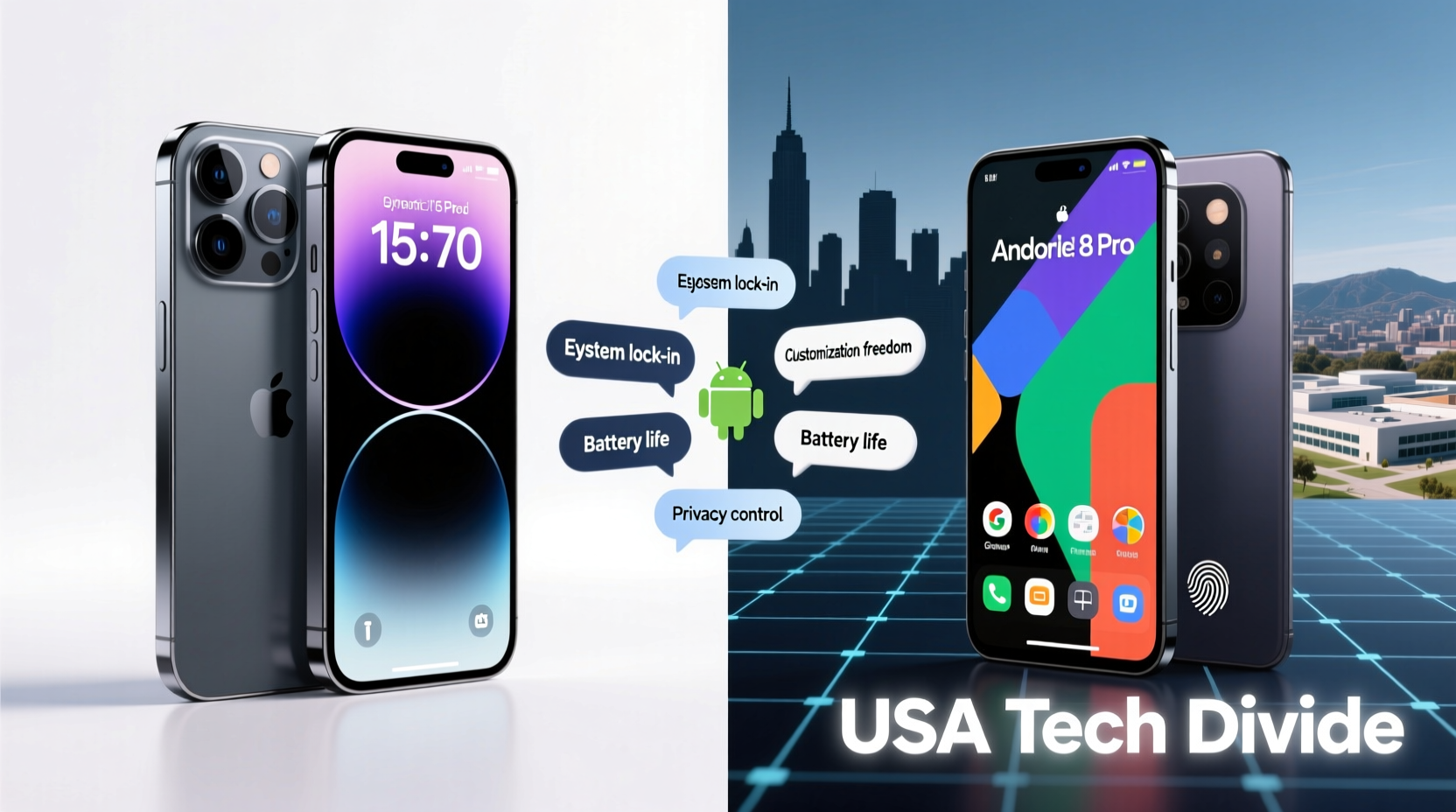
One of the primary reasons the debate persists is ecosystem entrenchment. Once users invest in either Apple’s or Google’s ecosystem, switching becomes increasingly difficult—not because the other side is inferior, but because the cost of transition is high.
Apple’s ecosystem includes seamless integration across iPhone, iPad, Mac, Apple Watch, AirPods, iCloud, and services like iMessage and FaceTime. These tools work together effortlessly, creating a frictionless experience that rewards staying within the brand.
Android, particularly with Samsung and Google Pixel devices, offers strong integration with Google services—Gmail, Google Photos, Drive, and Assistant—but lacks the same level of hardware cohesion unless using a full suite of Google or Samsung-branded accessories.
User Psychology and Tribalism
The iPhone vs Android debate mirrors sports fandom more than tech evaluation. People don’t just use these devices—they identify with them. This tribalism amplifies minor differences and turns preferences into convictions.
A 2023 Pew Research study found that iPhone users in the U.S. tend to skew slightly older, higher-income, and urban, while Android users are more diverse in income and geography. These demographic patterns feed into perceived lifestyle associations—Apple as premium and sleek, Android as customizable and accessible.
“Technology choices have become proxies for identity. When people defend their phone choice, they’re often defending their sense of self.” — Dr. Lena Torres, Digital Sociologist at Northwestern University
This emotional investment makes rational discussion difficult. Criticism of one platform is often interpreted as personal judgment, shutting down dialogue before it begins.
Real Differences That Actually Matter
Despite the noise, there are legitimate distinctions between iPhone and Android that impact daily use. Below is a comparison of key factors influencing user decisions in the U.S. market.
| Feature | iPhone (iOS) | Android (Google/Samsung) |
|---|---|---|
| Software Updates | 7+ years of guaranteed updates (e.g., iPhone 8 still supported in 2024) | Typically 4–5 years on flagship models; varies by manufacturer |
| App Optimization | Developers prioritize iOS; apps often launch first or run smoother on iPhone | Broader fragmentation; performance varies across devices |
| Customization | Limited (widgets, some home screen tweaks) | High (launchers, themes, default apps, sideloading) |
| Messaging | iMessage (blue bubbles) with rich features; green SMS with non-iPhone users | RCS improving, but inconsistent; relies on carrier support |
| Privacy Controls | Strong permissions, App Tracking Transparency, on-device processing | Granular controls in newer versions; Google data collection remains a concern |
| Price Range | $429–$1,599; limited mid-tier options | $200–$1,200; wide variety across budgets |
Case Study: Sarah’s Cross-Platform Dilemma
Sarah, a 34-year-old marketing manager in Denver, used iPhones exclusively for 12 years. Her husband had an Android, and their inability to share photo libraries seamlessly frustrated her. When her iPhone 13 battery degraded in 2023, she considered switching to a Google Pixel 7.
She loved the idea of greater customization and lower cost, but quickly ran into issues: iMessage contacts didn’t receive her messages properly, her AirPods had reduced functionality, and her MacBook wouldn’t auto-unlock. After three weeks, she returned the Pixel and bought an iPhone 15.
“It wasn’t that Android was worse,” she said. “It just didn’t fit into my life. Everything I use every day is built around Apple.”
How to Navigate the Debate Without Losing Your Mind
If you're caught in the crossfire—either as a participant or observer—here’s how to approach the iPhone vs Android discussion with clarity and sanity.
- Define your priorities. Are you focused on longevity, security, ease of use, or flexibility?
- Test before you commit. Borrow or rent a device for a week to simulate real-world use.
- Evaluate your ecosystem. How many Apple or Google services do you rely on daily?
- Ignore fanboy rhetoric. Claims like “iPhones are for sheep” or “Android is for nerds” are reductive and unhelpful.
- Accept that both are excellent. In 2024, both platforms deliver top-tier performance, cameras, and reliability.
Frequently Asked Questions
Is iPhone really more secure than Android?
iOS benefits from tighter control over hardware and software, faster update deployment, and strict app review processes, making it generally more secure out of the box. However, Android has significantly improved its security model with monthly patches, Google Play Protect, and enhanced permissions in recent versions. For most users, both are safe when kept updated.
Can Android beat the iPhone in camera quality?
In specific scenarios—like night photography or zoom—flagship Android phones (e.g., Samsung Galaxy S24 Ultra, Google Pixel 8 Pro) often surpass the iPhone. However, Apple excels in video recording, color accuracy, and consistency across lighting conditions. The “best” camera depends on your usage, not specs alone.
Why do so many Americans prefer iPhones?
Market data shows iPhone holds about 57% of the U.S. smartphone market (Q1 2024, Statista). This dominance stems from strong brand loyalty, superior resale value, seamless integration with other Apple products, and aggressive carrier promotions. Cultural influence—such as celebrity endorsements and social normalization—also plays a role.
Breaking the Cycle: A Practical Checklist
If you're tired of the endless debate and want to make a smart, informed decision, follow this checklist:
- ✅ List all devices and services you currently use (Mac, Windows, Gmail, iCloud, etc.)
- ✅ Identify your top three needs (battery life, camera, durability, price, etc.)
- ✅ Try both operating systems via in-store demos or loaner devices
- ✅ Check carrier deals—often the real savings come from trade-in bonuses
- ✅ Accept that no phone is perfect, and both platforms will serve you well
Conclusion: It’s Not About Winning—It’s About Choosing Wisely
The iPhone vs Android debate in the USA continues not because one is definitively better, but because the stakes feel personal. We’ve built our digital lives around these devices. They hold our memories, manage our schedules, and connect us to the people we care about. Of course we’re passionate.
But the goal shouldn’t be to “win” the argument. It should be to understand what works best for you—your lifestyle, budget, and long-term needs. The best phone is the one that disappears into your routine, not the one that demands constant defense.




 浙公网安备
33010002000092号
浙公网安备
33010002000092号 浙B2-20120091-4
Comments
No comments yet. Why don't you start the discussion?