
When Apple released both the iPhone 8 Plus and iPhone X in 2017, they represented two distinct philosophies in smartphone design. The 8 Plus was the final evolution of the classic iPhone form—home button, thick bezels, and a familiar shape. The X was a bold leap forward: edge-to-edge OLED display, Face ID, and a sleek stainless steel and glass body. More than six years later, many users still own these devices or consider buying one secondhand. So, is the iPhone X still worth choosing over the 8 Plus today?
The answer depends on what you value most: screen real estate and modern features, or battery life and physical convenience. Let’s break down the key differences and evaluate which phone holds up better in 2024.
Design and Build: A Clash of Eras
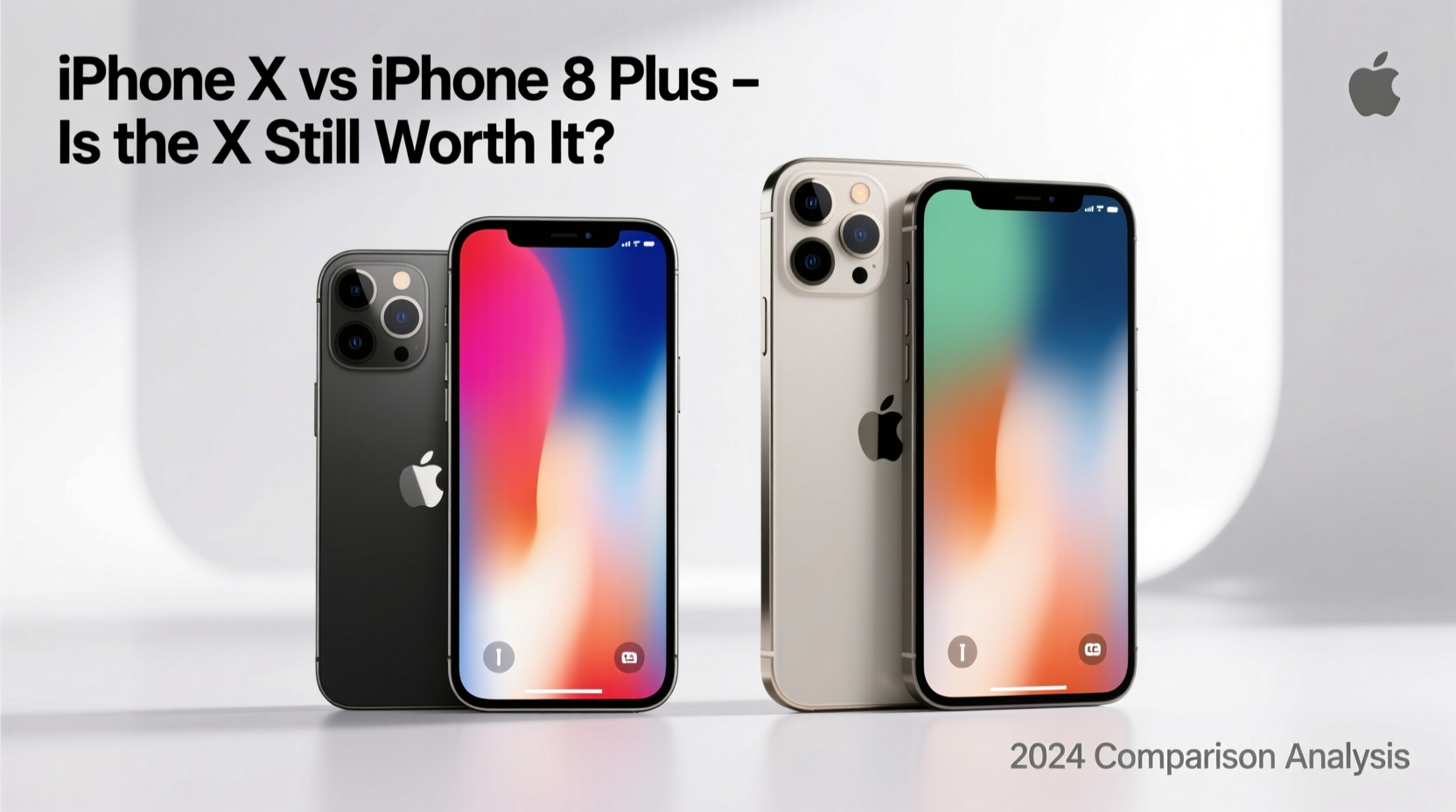
The iPhone X introduced Apple’s new design language—a nearly bezel-free front with a notch for the TrueDepth camera system. Its 5.8-inch OLED Super Retina display offered deeper blacks, higher contrast, and more vibrant colors than any previous iPhone. Constructed with surgical-grade stainless steel and glass on both sides, the X felt premium but also heavier and more prone to scratches and drops.
In contrast, the iPhone 8 Plus kept the design of the iPhone 6 series, refined with better materials. It featured a 5.5-inch LCD Retina HD display, Touch ID, and wide bezels above and below the screen. While less futuristic, its aluminum frame and textured glass back made it more grippy and slightly more durable in everyday use.
For users upgrading from older iPhones, the 8 Plus felt like a natural progression. The X, however, required adaptation—swiping up to return home, avoiding accidental touches near the notch, and adjusting to the taller, narrower form.
Display and Usability Comparison
The iPhone X’s OLED panel remains superior to the 8 Plus’s LCD even by today’s standards. OLED delivers true blacks, infinite contrast, and better outdoor visibility. For media consumption, reading, or dark mode usage, the X offers a noticeably richer experience.
However, the 8 Plus has advantages too. Its shorter, wider screen is often more comfortable for typing one-handed. The physical Home button provides tactile feedback and quick access to Apple Pay and app switching. Some users still miss Touch ID, especially when wearing masks or using the phone in cold weather where gloves interfere with Face ID.
| Feature | iPhone X | iPhone 8 Plus |
|---|---|---|
| Display Size | 5.8 inches | 5.5 inches |
| Display Type | OLED | LCD |
| Resolution | 2436 × 1125 | 1920 × 1080 |
| Pixel Density | 458 ppi | 401 ppi |
| Biometric Security | Face ID | Touch ID |
| Aspect Ratio | 19.5:9 | 16:9 |
The X’s taller screen fits more content vertically, which benefits web browsing and social media scrolling. But the 8 Plus’s wider layout is better for split-view multitasking and video playback in native aspect ratios.
Performance and Longevity in 2024
Both phones are powered by Apple’s A11 Bionic chip—a 64-bit hexa-core processor that was groundbreaking in 2017. In day-to-day tasks like messaging, email, and light browsing, both devices perform adequately even now. However, real-world longevity depends on software support and memory capacity.
The iPhone X has 3GB of RAM compared to the 8 Plus’s 3GB as well—so no advantage there. But due to its newer architecture and optimized iOS integration (especially with gesture navigation), the X generally handles modern apps and iOS updates slightly better. Both received updates up to iOS 16, but third-party app developers have begun phasing out support for 64-bit-only devices, affecting performance in newer versions of apps like Instagram, TikTok, and banking tools.
“Even though the hardware is aging, iOS optimization keeps older iPhones usable longer than Android counterparts—but only up to a point.” — David Kim, Mobile Software Analyst at TechPulse
If you plan to use the phone beyond 2024, expect increasing lag, app crashes, and limited feature support. Neither device supports 5G or modern Wi-Fi 6, and Bluetooth 5.0 is shared between them.
Camera: Portrait Power vs Practicality
On paper, both phones have dual 12MP rear cameras. The 8 Plus includes a wide and telephoto lens (f/1.8 and f/2.8), allowing 2x optical zoom and portrait mode with depth control. The iPhone X uses the same setup but with improved image signal processing thanks to the neural engine in the A11 chip.
In practice, the X pulls ahead in low-light performance and portrait lighting effects. Its TrueDepth front camera enables Animoji and better selfie portraits with accurate depth mapping. The 8 Plus lacks this entirely—its front camera is a single 7MP sensor without advanced depth sensing.
For videographers, both shoot 4K at 60fps, but the X offers better stabilization and dynamic range in HDR conditions. That said, the 8 Plus remains a capable shooter for casual photography and social media.
Battery Life and Charging Options
This is where the 8 Plus shines. With a larger physical body, it houses a 2,691mAh battery—significantly bigger than the X’s 2,716mAh, despite similar capacities. Real-world usage shows the 8 Plus lasts about 1–1.5 hours longer per charge under mixed use.
Both support fast charging (with a 18W adapter sold separately) and Qi wireless charging. However, the iPhone X’s glass back makes it more compatible with modern wireless chargers and MagSafe-style accessories (though not officially supported). The 8 Plus can also charge wirelessly, but fewer aftermarket stands are designed for its wider body.
- iPhone X: Up to 13 hours video playback
- iPhone 8 Plus: Up to 14 hours video playback
- Standby time similar on both (~10 days)
- Fast charge: ~50% in 30 minutes (with proper adapter)
If you're someone who travels frequently or dislikes charging midday, the 8 Plus offers a tangible advantage.
Real-World Example: Sarah’s Upgrade Dilemma
Sarah, a freelance photographer, needed a backup phone for client calls and social media posting. She found both an iPhone X and an 8 Plus in excellent condition on a resale site. After testing both for a week, she chose the 8 Plus—not because it was better overall, but because its wider screen made editing Instagram captions easier, and the battery lasted through her shoots without needing a pack.
She admitted missing the X’s sharper display and Face ID, but the practical benefits outweighed the aesthetic ones. “I’m not watching movies all day,” she said. “I need reliability and comfort.”
Frequently Asked Questions
Can either phone run iOS 17 smoothly?
No. The iPhone X and 8 Plus max out at iOS 16.4.1. Attempting to install iOS 17 via unofficial methods will result in instability and security risks.
Which has better resale value today?
Neither holds much resale value in 2024. Most buyers seek iPhone 11 or newer. However, the X typically sells for $20–$40 more than the 8 Plus due to its modern design appeal.
Is repair cost a factor?
Absolutely. The iPhone X’s OLED screen is far more expensive to replace than the 8 Plus’s LCD. Back glass repairs on both are costly due to their glass bodies. Third-party shops quote $120–$200 for screen fixes, depending on availability.
Final Verdict: Which Should You Choose?
The iPhone X was revolutionary in 2017, and its design influence persists across Apple’s lineup. If you value a modern look, a high-quality OLED display, Face ID, and better selfie capabilities, the X remains the more future-facing choice—even in 2024.
But if you prioritize battery endurance, ease of handling, physical buttons, and durability, the iPhone 8 Plus is the pragmatic pick. It may lack glamour, but it gets the job done reliably.
Ultimately, neither phone is ideal as a primary device today. But for a budget-conscious buyer, a temporary backup, or a first iPhone for a child, both can serve adequately—with expectations managed.
Checklist: Before Buying a Used iPhone X or 8 Plus
- Verify the device is unlocked and not iCloud locked.
- Check battery health (Settings > Battery > Battery Health). Avoid units below 80%.
- Test Face ID (X) or Touch ID (8 Plus) thoroughly.
- Inspect for screen burn-in (on X) or yellowing (on 8 Plus).
- Ensure both rear cameras focus properly and flash works.
- Confirm wireless charging functionality.
- Update to latest supported iOS version to test stability.
Conclusion
The iPhone X vs iPhone 8 Plus debate isn’t just about specs—it’s about philosophy. One represents the past perfected; the other, the future imperfectly realized. While the X feels more modern, the 8 Plus often performs more reliably in daily use. Your decision should hinge on how you use your phone, not just how it looks.




 浙公网安备
33010002000092号
浙公网安备
33010002000092号 浙B2-20120091-4
Comments
No comments yet. Why don't you start the discussion?