
For millions of iPhone XR owners still getting solid daily use from their device, the question isn’t whether the iPhone 15 is better—it’s whether the upgrade justifies the cost. And for many, the most visible change sits right in front of them: the screen. Apple has made significant strides in display technology over the past five years, but does that alone warrant a $799+ investment? Let’s break down what’s changed, how it affects real-world usage, and whether the visual leap is enough to justify moving on from a reliable workhorse like the iPhone XR.
Display Technology: From LCD to OLED Evolution
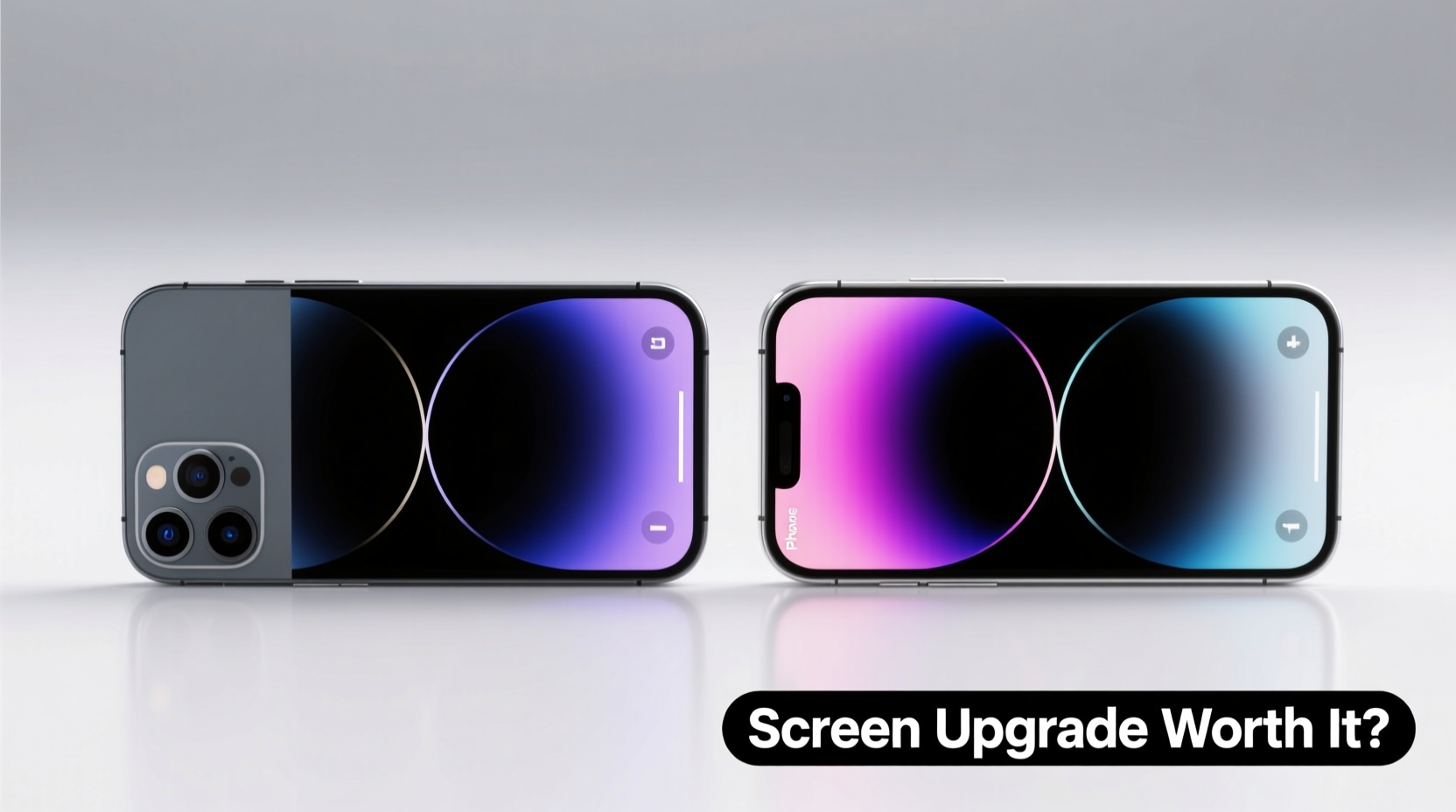
The iPhone XR, released in 2018, was notable for being Apple’s first modern iPhone to feature an edge-to-edge display while retaining an LCD (Liquid Crystal Display) panel—specifically, Apple’s “Liquid Retina” LCD. At the time, this was a strategic compromise: delivering a sleek design at a lower price point than the OLED-equipped XS models. The result was a sharp, colorful screen with wide viewing angles, but it lacked the deep blacks, infinite contrast, and pixel-level lighting control of OLED.
Fast forward to the iPhone 15 (2023), which features a Super Retina XDR OLED display. This isn’t just a minor improvement; it’s a fundamental shift in how the screen renders images. OLED technology allows individual pixels to turn completely off, producing true black and significantly higher contrast ratios. The iPhone 15 also supports HDR content, offering richer highlights and deeper shadows in supported videos and photos.
Screen Brightness and Outdoor Visibility
Brightness is another area where the gap between these two phones is substantial. The iPhone XR peaks at around 625 nits of brightness under typical conditions, which was respectable in its day. However, the iPhone 15 reaches up to 1,000 nits for standard content and 1,600 nits for HDR peak brightness. In practical terms, this means far better readability in direct sunlight.
Whether you’re checking directions on a sunny sidewalk or reading emails near a window, the iPhone 15’s screen remains crisp and glare-resistant. This improvement isn’t just about comfort—it enhances usability in outdoor environments, reducing eye strain and the need to hunt for shade just to see your screen.
“Moving from an older LCD iPhone to a current OLED model feels like switching from standard definition to high definition overnight.” — Marcus Tran, Mobile UX Designer at Bay Area Tech Collective
Design and Screen Real Estate
While both phones have similar physical dimensions, the iPhone 15 benefits from narrower bezels and a more modern cutout design (Dynamic Island replacing the notch). The screen size difference is minimal—the XR has a 6.1-inch display, and so does the iPhone 15—but the overall screen-to-body ratio is higher on the newer model.
The Dynamic Island, though not strictly a screen upgrade, transforms how users interact with notifications, music, timers, and live activities. It turns the front-facing camera cutout into an interactive zone, making multitasking feel more fluid. For someone used to the static notch of the XR, this can feel like a meaningful evolution in interface design.
Detailed Comparison: iPhone XR vs iPhone 15 Screen Specs
| Feature | iPhone XR | iPhone 15 |
|---|---|---|
| Display Type | Liquid Retina HD (LCD) | Super Retina XDR (OLED) |
| Size | 6.1 inches | 6.1 inches |
| Resolution | 1792 x 828 pixels (~326 ppi) | 2556 x 1179 pixels (~460 ppi) |
| Contrast Ratio | 1400:1 | 2,000,000:1 |
| Peak Brightness (HDR) | N/A | 1,600 nits |
| Typical Max Brightness | 625 nits | 1,000 nits |
| HDR Support | No | Yes (Dolby Vision, HDR10, HLG) |
| Refresh Rate | 60Hz | 60Hz (adaptive potential via software optimization) |
The resolution jump alone means text appears noticeably sharper on the iPhone 15. Web pages, e-books, and messaging apps benefit from crisper rendering. While the XR’s 326 ppi was retina-grade in 2018, today’s 460 ppi standard sets a new bar for clarity—even if you don’t consciously notice pixels, your eyes register smoothness.
Real-World Example: Sarah’s Upgrade Decision
Sarah had been using her iPhone XR since 2019. She loved its durability, battery life, and familiar interface. But after borrowing a friend’s iPhone 15 during a weekend trip, she realized how much her screen had aged. Watching a sunset timelapse video on YouTube, the XR rendered the sky in warm oranges, while the iPhone 15 showed subtle gradients, deep navy shadows, and vibrant highlights she hadn’t noticed before.
“It wasn’t just brighter,” she said. “The colors felt more alive, and the black parts weren’t gray—they were actually black. I didn’t think my phone was holding me back until I saw the difference side by side.”
She eventually upgraded—not because her XR stopped working, but because the visual experience elevated how she engaged with content. For her, the screen alone justified the move, especially as she uses her phone for photography, travel blogging, and streaming.
Is the Screen Worth the Upgrade?
If your primary interaction with your phone revolves around consuming media—watching videos, browsing Instagram, reading articles, or editing photos—the iPhone 15’s screen delivers a tangible improvement. OLED, higher resolution, better brightness, and HDR support combine to create a more immersive, enjoyable experience.
However, if you mostly use your phone for calls, texting, and light app usage, the difference may feel less dramatic. The XR’s screen is still functional and color-accurate within its limits. You won’t be missing out on essential features, just refinements.
Step-by-Step: How to Evaluate Your Need for a Screen Upgrade
- Assess your daily usage: Do you stream videos, play games, or edit photos regularly? High-impact visuals benefit most from OLED.
- Test in natural light: Visit an Apple Store and compare both screens outdoors or near windows to evaluate brightness differences.
- Play HDR content: Watch a Dolby Vision clip on YouTube or Apple TV+ to see the iPhone 15’s dynamic range in action.
- Check battery and performance needs: Consider whether other upgrades (A16 chip, USB-C, improved cameras) add value beyond the screen.
- Calculate long-term cost: Weigh the $799 price against how long you plan to keep the phone. Is a 3–4 year lifespan worth the visual gains?
Frequently Asked Questions
Can I really see the difference between LCD and OLED?
Yes, especially in dark environments or when viewing content with dark backgrounds. OLED produces true black, while LCD relies on backlighting, resulting in grayer blacks and lower contrast. The difference is most apparent when watching movies or using dark mode interfaces.
Does the iPhone 15 have a higher refresh rate than the XR?
No, both phones have a 60Hz refresh rate. However, the iPhone 15’s OLED panel responds faster than the XR’s LCD, which can make animations feel slightly smoother even without a 120Hz ProMotion display.
Will the iPhone XR stop working if I don’t upgrade?
No. Apple continues to support the iPhone XR with iOS updates (as of 2024, it runs iOS 17). Performance may slow slightly over time, but core functionality remains intact. Upgrading is about enhancement, not obsolescence.
Final Verdict: When the Screen Alone Justifies the Jump
Upgrading from the iPhone XR to the iPhone 15 solely for the screen is a personal decision rooted in how you use your device. For casual users, the change may feel nice but not transformative. But for those who value visual fidelity—whether for entertainment, creativity, or simply enjoying a more modern smartphone experience—the screen alone can be a compelling reason to upgrade.
The leap from LCD to OLED, combined with increased brightness, resolution, and HDR support, represents one of the most noticeable generational improvements Apple has delivered in recent years. It’s not just about looking better; it’s about seeing more, feeling more immersed, and interacting with content in a way the XR was never designed to support.
If your current phone still meets your needs, there’s no rush. But if you’ve been waiting for a reason to make the move—one that’s visible every time you unlock your phone—the display on the iPhone 15 might just be that reason.




 浙公网安备
33010002000092号
浙公网安备
33010002000092号 浙B2-20120091-4
Comments
No comments yet. Why don't you start the discussion?