
Choosing between the iPhone XR and iPhone 7 Plus isn’t just about price—it’s about long-term usability, software support, camera quality, and overall experience. While both phones were once flagship devices in their time, they now occupy different spaces in Apple’s ecosystem. The iPhone 7 Plus launched in 2016, while the XR followed in 2018. Today, nearly six years after the 7 Plus debuted and five since the XR arrived, the decision comes down to whether you prioritize raw hardware savings or future-proofing your device.
This comparison goes beyond specs. It considers real-world usage, iOS update support, app compatibility, and resale value—factors that matter most when buying a used or budget-friendly iPhone today.
Performance and Processor: A Clear Winner Emerges
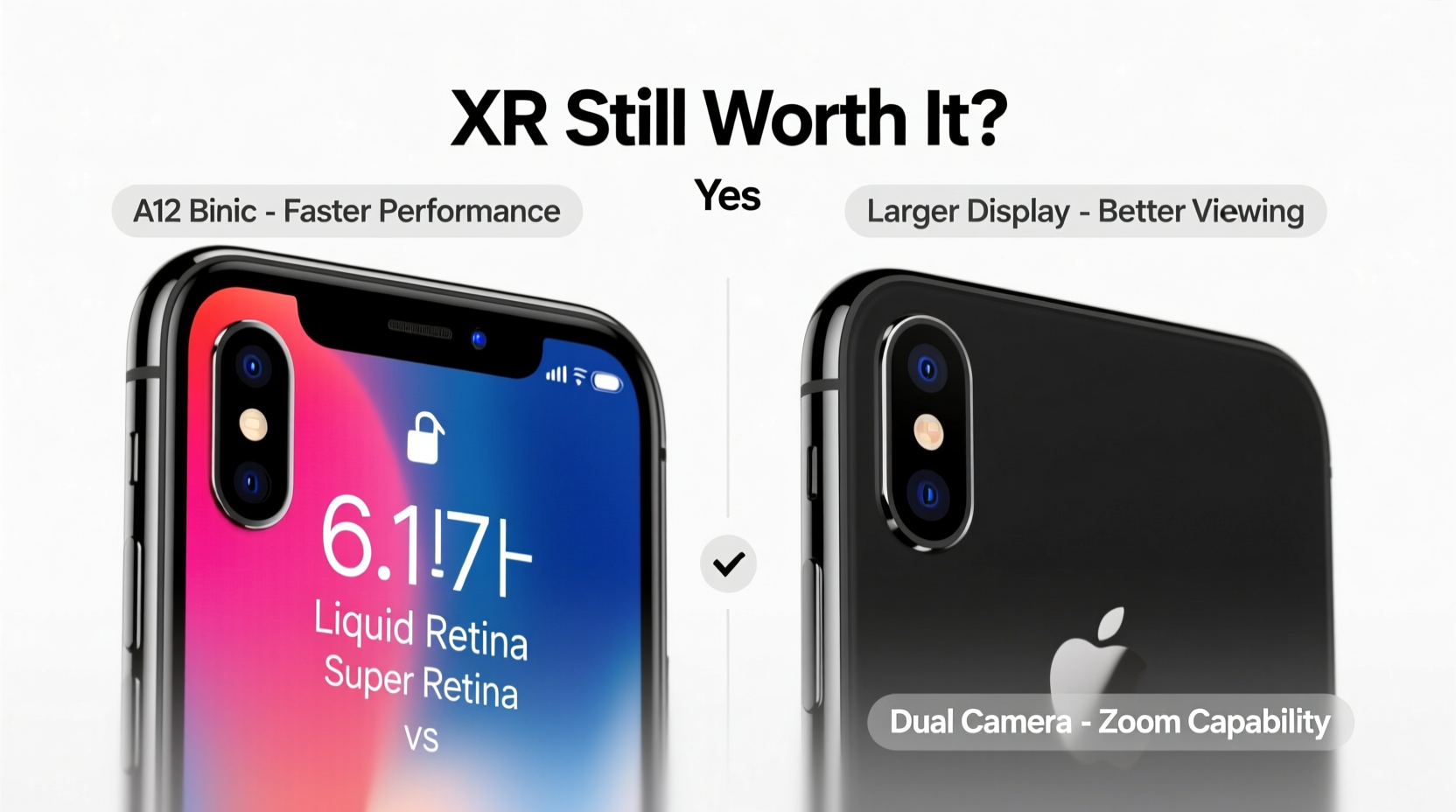
The heart of any smartphone is its processor, and here the iPhone XR holds a decisive advantage. It features Apple’s A12 Bionic chip, built on a 7nm process with a six-core CPU and four-core GPU. In contrast, the iPhone 7 Plus runs on the older A10 Fusion chip, a 16nm design from 2016.
In practical terms, the A12 delivers up to 50% faster CPU performance and nearly double the graphics power compared to the A10. This difference becomes noticeable when multitasking, launching apps, playing games, or using augmented reality features. Apps like Instagram, TikTok, and Google Maps load significantly faster on the XR, and newer versions of iOS run more smoothly.
Apple’s software updates are typically limited to about five years per device. The iPhone 7 Plus received its final major update with iOS 15, released in 2021. Meanwhile, the iPhone XR continues to support iOS 17, meaning it will likely receive security patches into 2025. For users concerned about security, app compatibility, and feature access, this extended support window is critical.
Display and Design: Trade-offs Between Size and Technology
The iPhone 7 Plus features a 5.5-inch LCD display with 1080p resolution (1920x1080), resulting in a pixel density of 401 PPI. The iPhone XR, despite having a slightly larger 6.1-inch screen, uses Liquid Retina technology—a custom LCD panel optimized by Apple for better color accuracy, brightness, and viewing angles.
While both are LCDs, the XR’s display is noticeably brighter (up to 625 nits vs. 500 nits) and supports True Tone, which adjusts white balance based on ambient lighting. The bezels are also smaller, giving the XR a more modern look despite lacking OLED quality.
| Feature | iPhone XR | iPhone 7 Plus |
|---|---|---|
| Screen Size | 6.1 inches | 5.5 inches |
| Display Type | Liquid Retina LCD | Retina HD LCD |
| Resolution | 1792x828 | 1920x1080 |
| Brightness (max) | 625 nits | 500 nits |
| True Tone | Yes | No |
| Water Resistance | IP67 (1m for 30 mins) | IP67 (1m for 30 mins) |
Design-wise, the XR has a glass back (for wireless charging) and aluminum frame, while the 7 Plus uses an aerospace-grade aluminum body with no glass back. Both feel durable, but the XR’s design aligns better with current iPhone aesthetics, making it less likely to feel outdated quickly.
Camera Comparison: Single Lens vs Dual System
On paper, the iPhone 7 Plus wins with its dual 12MP cameras: wide and telephoto lenses enabling 2x optical zoom and Portrait Mode. The XR, however, relies on a single 12MP wide lens but leverages computational photography via the A12 chip to simulate depth effects.
In practice, photos from both phones in good light are excellent—sharp, well-balanced, and true to color. However, low-light performance favors the XR due to Smart HDR and improved noise reduction. Portrait Mode on the XR has gotten remarkably close to the 7 Plus thanks to software refinements over the years.
“Hardware matters, but software makes the difference. The XR’s single camera outperforms many dual-camera phones from its era because of Apple’s image processing.” — David Lin, Mobile Photographer & Tech Analyst
Video recording is another area where the XR pulls ahead. It supports 4K video at 60fps, extended dynamic range for video, and stereo recording. The 7 Plus caps out at 4K 30fps and lacks advanced stabilization features available in later iOS versions.
Battery Life and Charging: Real-World Endurance
Battery life is one of the XR’s strongest selling points. Apple rated it for up to 16 hours of video playback, while the 7 Plus offered around 13 hours. In everyday use—browsing, messaging, streaming music—the XR consistently lasts a full day and often stretches into a second with moderate use.
The 7 Plus, while decent in its time, struggles more with modern app demands. Background refresh, push notifications, and location services drain its battery faster than expected, especially if the battery health has degraded over time.
Additionally, the XR supports faster charging (with a compatible adapter) and wireless charging—features absent on the 7 Plus. These may seem minor, but they add convenience, particularly if you use accessories like MagSafe-compatible chargers or cases.
Mini Case Study: Sarah’s Upgrade Dilemma
Sarah, a college student, inherited her brother’s iPhone 7 Plus in 2022. By early 2023, she noticed apps crashing, slow Face ID alternatives (she used Touch ID), and frequent prompts to offload unused apps due to storage issues. She considered buying a new phone but found a refurbished iPhone XR for $220.
After switching, her experience transformed. Apps loaded instantly, her group video calls didn’t lag, and she could finally use Snapchat filters without overheating. Most importantly, her phone stayed updated through iOS 17, ensuring access to campus security portals and digital textbooks. For her, the slight increase in cost was justified by three extra years of reliable service.
Value Analysis: Which Offers Better Long-Term ROI?
Used market prices tell an important story. As of 2024, unlocked iPhone 7 Plus units sell for $100–$140 depending on condition and storage. The iPhone XR ranges from $160–$200 for 64GB models. That $60 difference buys you:
- Two additional years of iOS updates
- Faster processor and better app responsiveness
- Improved display with True Tone
- Wireless and fast charging capability
- Better low-light photography and video features
- Longer battery life under heavy use
If your primary goal is saving money right now and you only need the phone for basic tasks—calls, texts, light browsing—the 7 Plus might suffice. But if you want a device that can handle social media, navigation, mobile banking, and occasional gaming without frustration, the XR is clearly the better investment.
Checklist: Before Buying Either iPhone
- Verify iOS version and update eligibility
- Check battery health percentage (Settings > Battery > Battery Health)
- Test all buttons, speakers, microphone, and charging port
- Ensure the device is not iCloud locked
- Look for signs of water damage or screen burn-in
- Confirm carrier compatibility if switching networks
- Compare total cost including case and screen protector
Frequently Asked Questions
Can the iPhone 7 Plus run iOS 17?
No. The iPhone 7 Plus supports up to iOS 15. It does not receive iOS 16 or later updates, limiting app compatibility and security patches.
Is the iPhone XR waterproof?
It has an IP67 rating, meaning it can survive immersion in up to 1 meter of water for 30 minutes. However, this doesn’t make it “waterproof”—water resistance diminishes over time, especially after repairs.
Does the iPhone XR have a headphone jack?
No. Like most iPhones since the iPhone 7, the XR uses the Lightning port for audio. You’ll need wireless headphones or a Lightning-to-3.5mm adapter for wired earbuds.
Final Verdict: The iPhone XR Remains the Smarter Choice
While the iPhone 7 Plus was a groundbreaking device in its day—especially as Apple’s first dual-camera phone—it simply cannot compete with the iPhone XR in 2024. The XR offers longer software support, superior performance, better battery life, and modern conveniences like Face ID and wireless charging.
For anyone seeking a budget-friendly iPhone that won’t feel obsolete within a year, the XR delivers far greater value. Yes, the 7 Plus is cheaper upfront, but its technological limitations become apparent quickly. You’re not just buying a phone—you’re buying peace of mind that it will work reliably for the next 18 to 24 months.




 浙公网安备
33010002000092号
浙公网安备
33010002000092号 浙B2-20120091-4
Comments
No comments yet. Why don't you start the discussion?