
Choosing between the iPhone XR and the Samsung Galaxy Note 9 isn’t just about specs on paper—it’s about how the phone fits into your daily life, long after the initial excitement fades. Both devices were flagship contenders in their time, offering premium experiences at different price points. But years later, users have reflected on their choices, and some common regrets have emerged. Understanding these post-upgrade regrets can help you avoid costly mistakes and select the device that truly aligns with your habits, needs, and expectations.
Design and Build: The First Impression That Lasts
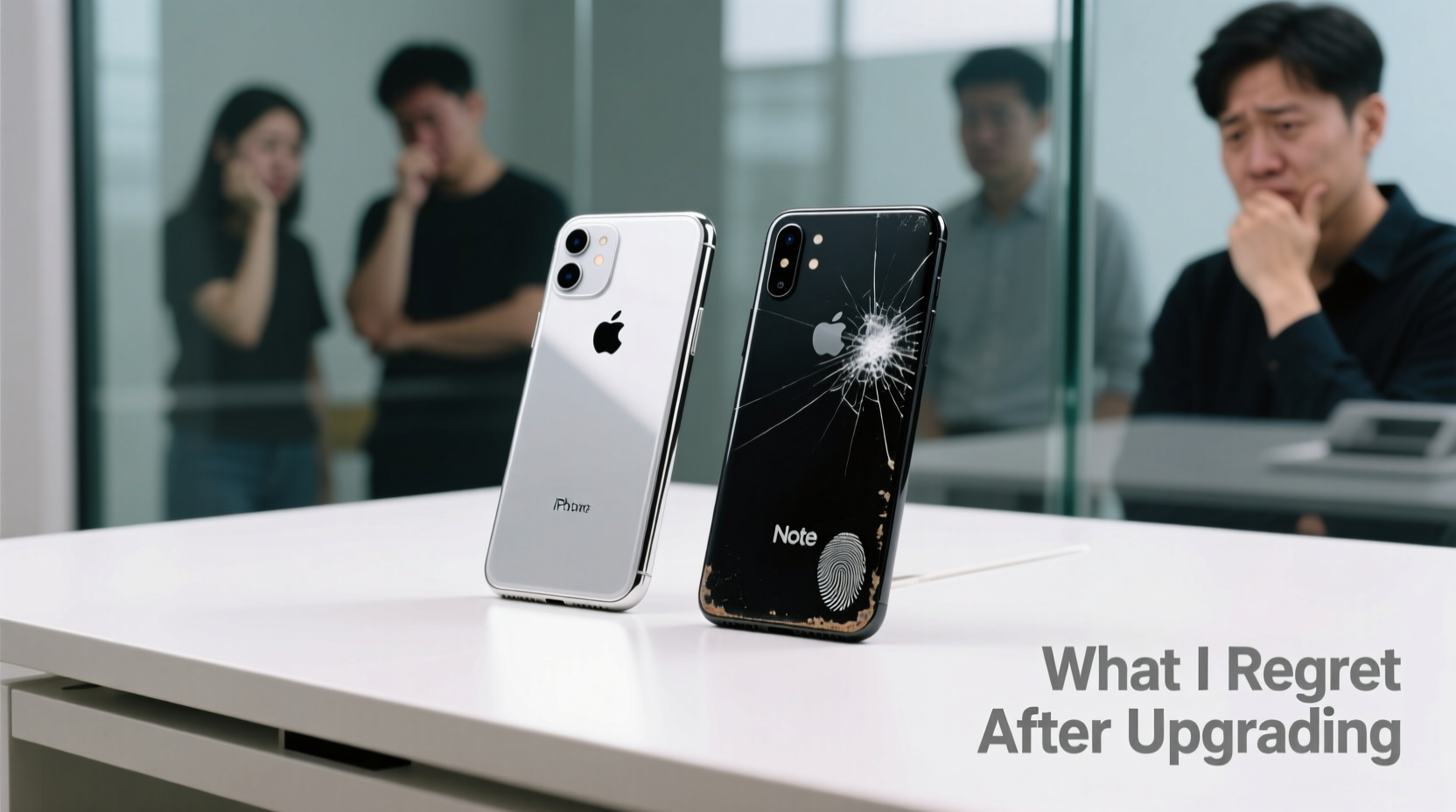
The iPhone XR features Apple’s signature aerospace-grade aluminum frame with a glass back, designed for wireless charging and a sleek aesthetic. It's compact, lightweight, and available in multiple colors. In contrast, the Note 9 boasts a larger, more substantial design with a metal body and curved glass, exuding a premium feel. Its size accommodates the S Pen but makes one-handed use difficult.
One of the most frequent regrets among iPhone XR buyers was the decision to stick with an LCD screen instead of OLED. While Apple’s Liquid Retina display is sharp, it lacks the deep blacks and vibrant contrast of OLED panels like the Note 9’s Super AMOLED. Users upgrading from Android flagships often missed the richer visual experience.
Conversely, Note 9 owners who switched from iPhones sometimes regretted the heft and bulk. After years of using compact iPhones, the Note 9 felt unwieldy in pockets and during extended use. Some also found the plastic back—despite its premium finish—less satisfying than the glass-and-metal combo they expected.
Software Experience and Long-Term Support
iOS and Android offer fundamentally different philosophies. iOS provides a tightly controlled ecosystem with consistent updates, while Android offers customization and flexibility. This difference becomes a source of regret when users realize their workflow doesn’t align with the OS they chose.
Many iPhone XR buyers appreciated Apple’s five-year software support. Even today, the XR runs iOS 17, which is rare for a 2018 device. This longevity means better security, app compatibility, and feature access over time.
On the other hand, Note 9 users received three major Android updates (up to Android 11) and four years of security patches—a strong showing for Samsung at the time, but still shorter than Apple’s commitment. Several users expressed regret over the earlier end-of-life, especially as newer apps began dropping support for older OS versions.
“Apple’s update policy is a silent superpower. You don’t realize how valuable it is until your Android phone stops getting updates and starts slowing down.” — Mark Tran, Mobile Tech Analyst
Camera Performance in Real-World Use
The iPhone XR features a single 12MP rear camera, relying heavily on software processing and computational photography. It excels in natural color reproduction, portrait mode accuracy, and video recording (up to 4K at 60fps). However, it lacks a telephoto lens, so zooming beyond 2x results in digital loss of quality.
The Note 9 has a dual 12MP rear setup—one wide and one telephoto—with variable aperture (f/1.5–f/2.4). This gives it superior low-light performance and optical zoom up to 2x. Many users praised its versatility, especially for travel or event photography.
Regrets here split along usage patterns. iPhone XR users who frequently shot distant subjects or wanted bokeh control across focal lengths wished for a second lens. Meanwhile, Note 9 owners who prioritized video quality or color accuracy sometimes found Samsung’s aggressive HDR processing made photos look oversaturated or unnatural compared to the iPhone’s more balanced output.
Camera Regret Summary
- XR regret: No telephoto lens limits zoom and depth control.
- Note 9 regret: Video stabilization and color science not as refined as Apple’s.
- Shared issue: Low-light performance lags behind modern multi-frame processing standards.
Battery Life and Charging Habits
The Note 9 packs a 4,000mAh battery—significantly larger than the iPhone XR’s 2,942mAh. In real-world testing, the Note 9 consistently delivered a full day and a half of moderate use, while the XR often required midday charging.
This became a key regret for many iPhone XR adopters, particularly those coming from large Android devices. They underestimated how much they relied on screen-on time for navigation, media, and multitasking. Without fast charging included in the box (only a 5W charger), topping up was slow unless users purchased a separate USB-C adapter and cable.
The Note 9 supported fast charging out of the box (with the right charger included), wireless charging, and even reverse wireless charging (though limited). However, some users regretted the lack of IP68 water resistance improvement over previous models and noted that the large battery still degraded noticeably after two years of heavy use.
Battery Tips Checklist
- Enable adaptive brightness to reduce drain.
- Use dark mode if your device has an OLED screen.
- Avoid full discharges; keep battery between 20% and 80%.
- Turn off background app refresh for non-essential apps.
- Carry a portable charger if you rely on GPS or streaming.
Real User Case: Sarah’s Switch from Note 9 to iPhone XR
Sarah, a digital marketer from Austin, used the Note 9 for two years before switching to the iPhone XR for better iMessage integration and FaceTime reliability with her family. Initially thrilled by the smoother iOS interface and longer software support, she soon encountered frustrations.
She missed the S Pen for jotting down quick notes during meetings. She found herself reaching for her iPad more often, defeating the purpose of a productivity-focused phone. The smaller battery meant she carried a power bank daily. Most surprisingly, she regretted giving up the headphone jack—something she hadn’t valued until AirPods became another monthly expense.
“I gained ecosystem benefits but lost functionality I didn’t know I depended on,” she said. “If I’d tested both devices side-by-side for a week, I might’ve stayed with Android.”
Comparison Table: iPhone XR vs Note 9 Key Features
| Feature | iPhone XR | Note 9 |
|---|---|---|
| Release Year | 2018 | 2018 |
| Display | 6.1” LCD (Liquid Retina) | 6.4” OLED (Quad HD+) |
| Rear Cameras | 12MP (Wide) | 12MP (Wide + Telephoto) |
| Front Camera | 7MP TrueDepth | 8MP |
| Battery Capacity | 2,942mAh | 4,000mAh |
| Charging | Slow charging (5W in box), Wireless | Faster charging (included), Wireless, Reverse Wireless |
| S Pen | No | Yes |
| Headphone Jack | No | Yes |
| Software Updates | 5+ years (iOS 17 compatible) | 3 major updates (ended) |
| Water Resistance | IP67 | IP68 |
Frequently Asked Questions
Is the iPhone XR still worth buying in 2024?
For light users who need basic functionality and access to the Apple ecosystem, yes. It supports current iOS versions and essential apps, though performance may lag with intensive tasks or multitasking. Battery degradation in older units is a concern.
Why do people regret selling their Note 9?
Many regret losing the S Pen functionality, headphone jack, expandable storage, and superior battery life. Others miss the flexibility of Android customization and the larger, higher-resolution display for media consumption.
Which phone holds value better over time?
The iPhone XR retains resale value significantly better than the Note 9. Apple’s longer software support and brand loyalty contribute to stronger second-hand demand, even years after release.
Final Thoughts: Avoiding Upgrade Regret
The choice between the iPhone XR and Note 9 ultimately hinges on lifestyle priorities. The XR wins in software longevity, ecosystem integration, and video recording. The Note 9 triumphs in battery life, stylus utility, audio convenience, and display technology.
Regret often stems not from objective shortcomings, but from mismatched expectations. Did you prioritize specs over usability? Ignore long-term support? Overlook small but critical features like the headphone jack or S Pen?




 浙公网安备
33010002000092号
浙公网安备
33010002000092号 浙B2-20120091-4
Comments
No comments yet. Why don't you start the discussion?