
If you're still using an iPhone XS Max—released in 2018—and you’re eyeing Apple’s latest flagship, you’re probably asking yourself: Is upgrading to the iPhone 15 Pro Max (commonly mistaken as “iPhone 10X”) actually worth it? Or are you just succumbing to marketing pressure and upgrade fatigue?
The truth is, technology has advanced significantly since 2018, but not every improvement translates to meaningful daily benefits. For users clinging to a still-functional XS Max, the decision isn’t about whether the new phone is better—it almost certainly is—but whether the upgrade justifies the cost, effort, and environmental impact.
Understanding the Devices: What’s Really Changed?
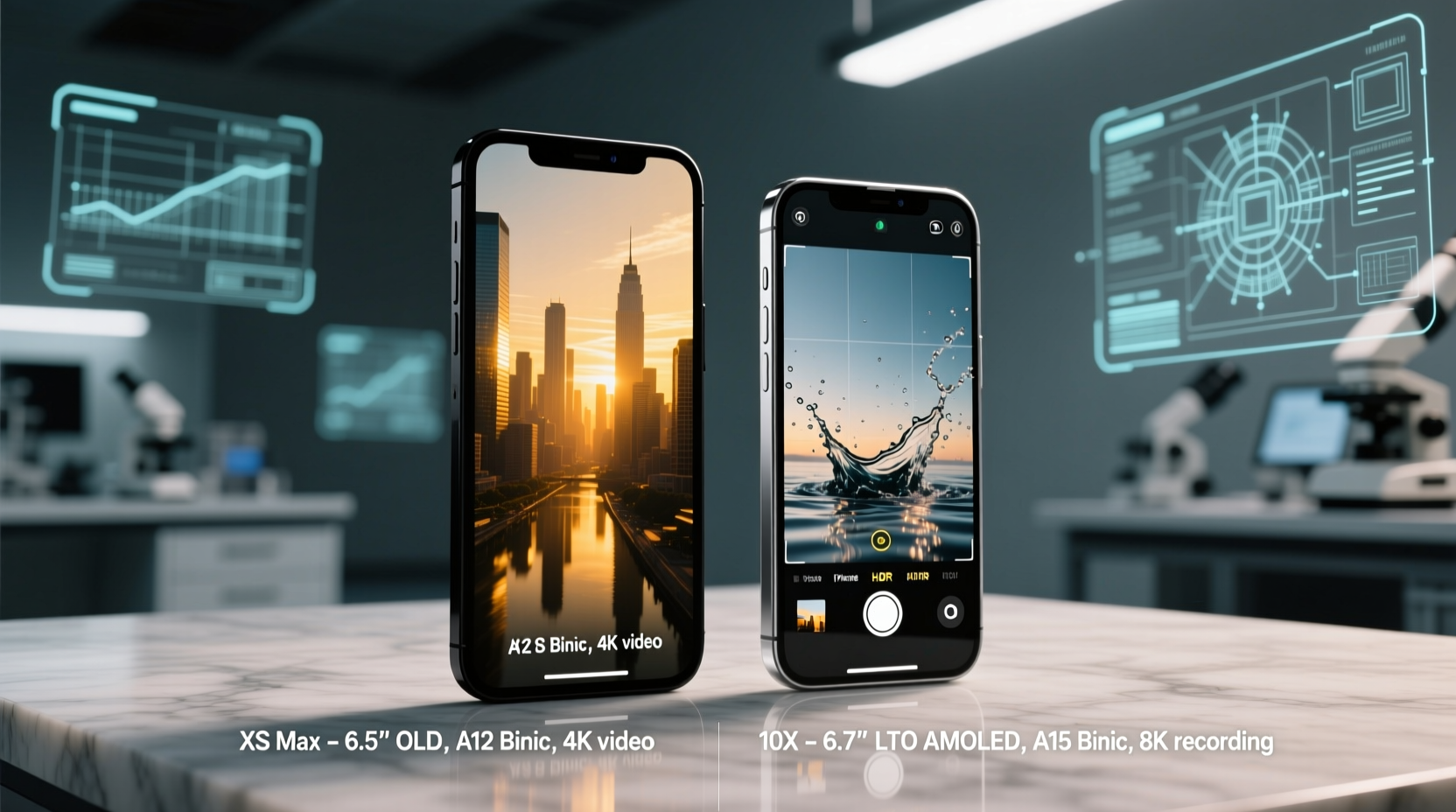
The iPhone XS Max was a high point in Apple’s design evolution: stainless steel frame, OLED display, solid build quality, and excellent cameras for its time. Fast forward to today’s iPhone 15 Pro Max, and we’re looking at a device with titanium construction, a Dynamic Island, always-on display, USB-C, and a 48MP main sensor.
But raw specs don’t tell the full story. Real-world usability, battery longevity, software support, and personal needs matter more than benchmark numbers.
Performance: From A12 to A17 Pro
The jump from the A12 Bionic chip in the XS Max to the A17 Pro in the iPhone 15 Pro Max is massive on paper. The A17 Pro offers up to 2x faster CPU and GPU performance, along with hardware-accelerated ray tracing for gaming—a feature absent in 2018.
In practice, however, most everyday tasks—browsing, messaging, email, social media—run smoothly even on the older chip. Where the difference becomes apparent is in sustained workloads: video editing, multitasking with pro apps, AR experiences, and future iOS features that demand more processing power.
“While the XS Max handled iOS 16 fine, iOS 18 will likely be the last version it supports. By 2025, app developers may begin optimizing exclusively for newer chips.” — Mark Tran, Mobile Systems Analyst at TechLens
Camera Comparison: Evolution, Not Revolution
The camera system is where Apple has made the most visible improvements. The XS Max featured a dual 12MP setup (wide + telephoto) with Smart HDR and Portrait mode. Today’s 15 Pro Max includes a 48MP main sensor, tetraprism 5x zoom lens, Photonic Engine, and computational photography enhancements like Night mode across all lenses.
Here’s a direct comparison:
| Feature | iPhone XS Max | iPhone 15 Pro Max |
|---|---|---|
| Main Sensor | 12MP f/1.8 | 48MP f/1.78 (default 24MP output) |
| Telephoto Lens | 12MP f/2.4, 2x optical zoom | 12MP f/2.8, 5x optical zoom |
| Low-Light Performance | Night mode (added later) | Night mode on all lenses, improved sensor shift |
| Video Recording | 4K@60fps, basic stabilization | 4K@60fps w/ Cinematic Mode, Log video, ProRes |
| Front Camera | 7MP f/2.2 | 12MP f/1.9, Auto-Focus, Deep Fusion |
The 15 Pro Max captures noticeably sharper images in low light, offers greater flexibility with zoom, and provides professional-grade video tools. But if your photography needs are casual—family photos, social media posts, daylight shots—the XS Max still holds up surprisingly well.
Battery Life and Daily Usability
Battery degradation is one of the biggest pain points for long-term iPhone users. Even if your XS Max still functions, its battery health may have dropped below 80%, leading to shorter screen-on time and unexpected shutdowns.
Apple rates the 15 Pro Max for up to 29 hours of video playback; the XS Max managed around 16. In real-world mixed use, the newer model consistently lasts a full day—even heavy users report making it to bedtime without charging.
However, if you’ve replaced your XS Max battery recently (for ~$50–$90), you’ve already extended its life significantly. A fresh battery can add another 1–2 years of reliable service, especially if you’re not a power user.
Charging and Port Changes
The switch from Lightning to USB-C on the 15 Pro Max is more than symbolic—it means faster data transfer (up to 10Gbps with USB 3), broader accessory compatibility, and easier travel with a single cable for phone, laptop, and tablet.
For XS Max owners, this transition means replacing old cables and possibly buying new chargers. While inconvenient, it’s a necessary step toward industry standardization.
Design and Build: Durability vs. Innovation
The XS Max had a premium feel with its glass back and stainless steel frame—but it was also heavy (208g) and prone to scratches. The 15 Pro Max uses aerospace-grade titanium, reducing weight by nearly 20 grams while improving drop resistance.
The curved edges of the XS Max were comfortable, but the flat edges of the newer model offer better grip and pocketability. Additionally, the Ceramic Shield front and improved water resistance (IP68 up to 6m) make the 15 Pro Max more resilient in daily use.
Still, the XS Max remains durable enough for average handling. If you use a case and screen protector, the physical differences may not justify the upgrade alone.
Real-World Example: Sarah’s Upgrade Dilemma
Sarah has used her iPhone XS Max since 2019. She replaced the battery in 2022 and still gets through most days with moderate usage. She loves the size and familiarity of iOS, but lately, she’s noticed apps taking longer to load and occasional stutters in Instagram and WhatsApp.
She considered upgrading after seeing friends post stunning low-light photos and 4K videos from their new iPhones. But when she tested a 15 Pro Max at the Apple Store, she realized the interface felt too fast, and the Dynamic Island distracted her.
Instead of upgrading immediately, she decided to wait six months, monitor her battery health, and evaluate whether performance issues worsened. She also started using iCloud Photos to free up space, which improved responsiveness.
Six months later, her battery dropped to 72%, and iOS 17 updates began slowing her phone further. That’s when she upgraded—on her terms, not Apple’s release cycle.
Upgrade Checklist: Should You Make the Move?
Before hitting “Buy,” ask yourself these questions:
- Has your battery health dropped below 80%?
- Are you experiencing frequent app crashes or lag?
- Do you need better low-light photography or zoom capabilities?
- Is your current phone limiting your productivity or creativity?
- Can you take advantage of USB-C for file transfers or external storage?
- Are you excited about the new device, or just feeling pressured to upgrade?
If three or more apply, an upgrade makes sense. If not, consider extending your current phone’s life with a battery replacement and optimized settings.
Frequently Asked Questions
Will the iPhone XS Max stop working soon?
No. It will continue to function, but software support is likely limited to iOS 18 (expected late 2024). After that, security updates may cease, and newer apps may stop supporting the A12 chip.
Is the camera upgrade worth $1,199?
Only if you regularly shoot in challenging conditions (low light, distant subjects) or create content professionally. Casual photographers won’t see a transformative difference.
Can I save money by upgrading to a previous model?
Absolutely. The iPhone 14 Pro or even iPhone 13 Pro Max offer many of the same core upgrades over the XS Max—better chip, improved cameras, longer support—at a lower price point.
Final Verdict: Worth It or Hype?
Upgrading from the iPhone XS Max to the iPhone 15 Pro Max is objectively a technological leap. But “worth it” depends on your usage, budget, and values.
If you rely on your phone for creative work, travel frequently, or demand peak performance and longevity, the upgrade delivers tangible benefits. However, if you primarily use your phone for calls, messages, and light browsing, you’re likely falling for the hype.
Technology should serve you—not dictate your habits. Resist the pressure to upgrade on schedule. Instead, assess your actual needs, optimize what you have, and move only when it makes practical sense.




 浙公网安备
33010002000092号
浙公网安备
33010002000092号 浙B2-20120091-4
Comments
No comments yet. Why don't you start the discussion?