
It’s been several years since Apple released the iPhone XS and Samsung launched the Galaxy S9, two flagship smartphones that defined the high-end market in 2018. At the time, consumers faced a tough decision: stick with their current device or upgrade to one of these premium models. Now, with the benefit of hindsight, it's possible to assess whether the upgrade was truly worth it—not just in terms of immediate features, but longevity, software support, real-world usability, and overall value.
This retrospective compares the iPhone XS and Galaxy S9 across key categories, evaluates user experiences over time, and offers insights for those still weighing past decisions or considering future upgrades based on historical patterns.
Design and Build: Premium Materials, Different Philosophies
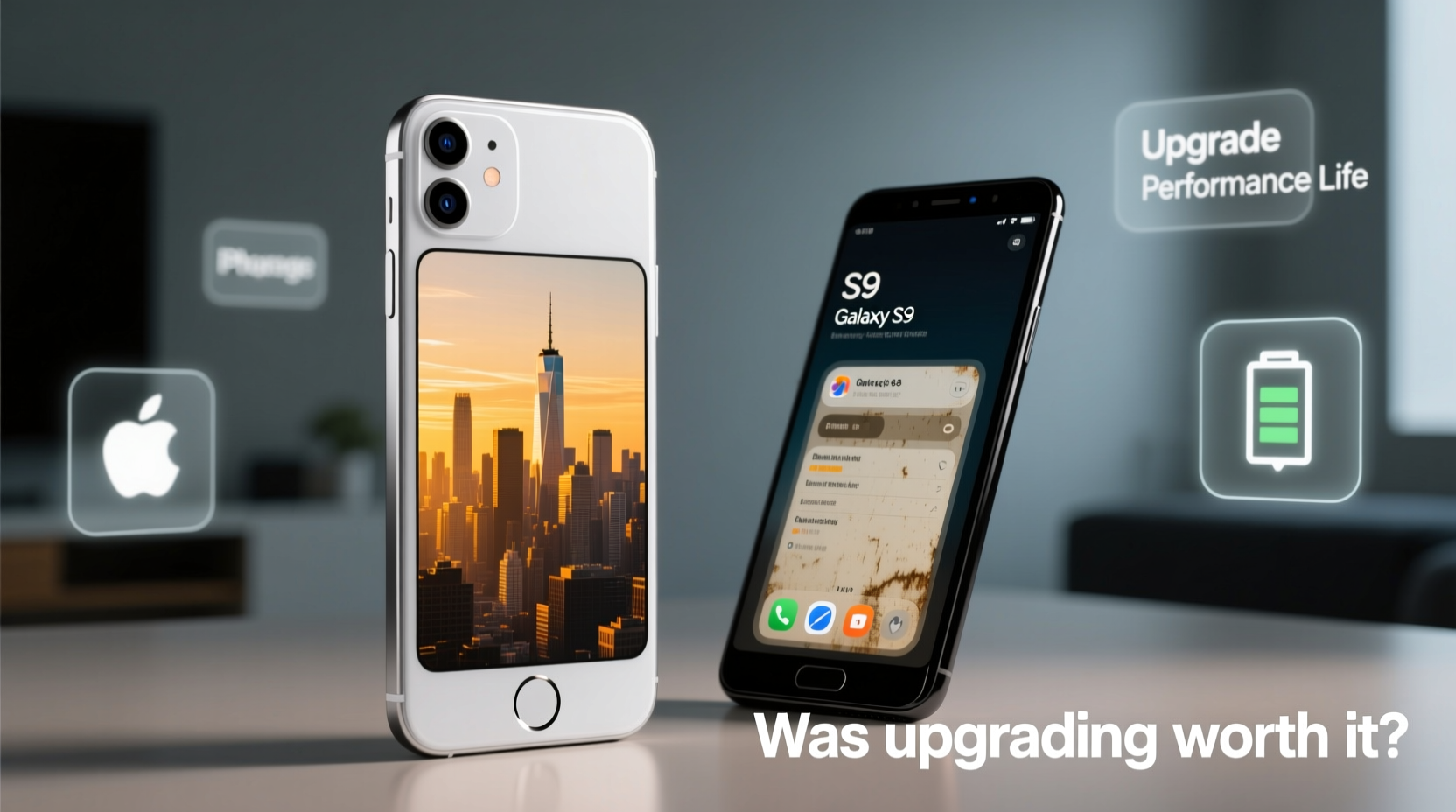
The iPhone XS and Galaxy S9 both embraced glass-and-metal construction, signaling a shift toward more luxurious finishes in flagship devices. The iPhone XS featured a surgical-grade stainless steel frame and matte glass back, giving it a dense, premium feel. Its 5.8-inch OLED Super Retina display offered sharp visuals with excellent color accuracy and HDR support.
In contrast, the Galaxy S9 used aluminum framing with Gorilla Glass 5 on both front and back. It had a slightly smaller 5.8-inch Quad HD+ AMOLED screen, but Samsung’s display tuning delivered vibrant colors and deep blacks. While both phones supported wireless charging and were IP68-rated for water resistance, the S9 retained the 3.5mm headphone jack—a feature Apple had already removed.
From a design standpoint, the S9 felt slightly more compact despite similar screen sizes, thanks to its curved edges and narrower bezels. However, the iPhone XS’s build quality conveyed a sense of solidity that many users associated with long-term durability.
Performance and Software Longevity
Under the hood, the iPhone XS ran Apple’s A12 Bionic chip—the first 7nm processor in a smartphone—delivering industry-leading performance at launch. Paired with iOS’s efficient memory management, this allowed the XS to handle multitasking, gaming, and AR applications with ease. More importantly, Apple’s commitment to five years of iOS updates meant the XS received support through iOS 17, released in 2023.
The Galaxy S9, powered by either the Snapdragon 845 (U.S.) or Exynos 9810 (international), was also a powerhouse in 2018. However, Samsung traditionally offered only three major Android updates. As a result, the S9 stopped receiving major OS upgrades after Android 10, limiting access to newer features and security patches sooner than the iPhone XS.
“Software support is often the hidden differentiator between flagships. For long-term use, consistent updates matter as much as raw specs.” — David Lin, Mobile Analyst at TechTrends Weekly
Real-world usage data shows that after three years, iPhone XS owners reported fewer app crashes, smoother animations, and better battery optimization compared to S9 users, especially as apps became more demanding. This extended relevance gave the iPhone XS an edge in perceived value over time.
Camera Comparison: Still Photos vs Video Strengths
| Feature | iPhone XS | Galaxy S9 |
|---|---|---|
| Main Sensor | 12MP f/1.8 | 12MP f/1.5–f/2.4 variable aperture |
| Telephoto | 12MP f/2.4 | No telephoto lens |
| Front Camera | 7MP f/2.2 | 8MP f/1.7 |
| Video Recording | 4K@60fps, advanced stabilization | 4K@30fps, basic stabilization |
| Low-Light Performance | Solid, consistent processing | Better dynamic range in dark scenes |
The iPhone XS excelled in video recording, offering cinematic depth control, superior noise reduction, and seamless transitions between exposures. Its portrait mode leveraged machine learning for accurate edge detection, and Smart HDR improved dynamic range significantly.
The Galaxy S9 introduced a unique variable aperture system (f/1.5 in low light, f/2.4 in bright conditions), which theoretically enhanced adaptability. In practice, while night shots appeared brighter, they sometimes suffered from overprocessing or loss of detail. The lack of a telephoto lens limited zoom capabilities, making the iPhone’s 2x optical zoom more versatile.
For content creators prioritizing video, the iPhone XS proved more reliable. For casual photographers who valued spontaneous low-light shots, the S9’s adaptive aperture offered noticeable benefits—though not consistently enough to outweigh Apple’s computational photography advantages.
Real-World Example: Two Users, Two Paths
Consider two hypothetical users from 2018: Maya upgraded to the iPhone XS, while Jordan chose the Galaxy S9. Both used their phones daily for communication, social media, photography, and streaming.
By 2021, Maya’s iPhone XS still ran the latest iOS version smoothly. Apps opened quickly, Face ID remained responsive, and her phone handled new features like App Clips and improved privacy tracking. She replaced the battery once under Apple’s $49 program, restoring near-original performance.
Jordan’s S9, however, began showing signs of aging. After upgrading to Android 10, some third-party apps started lagging. The home button wear became noticeable, and replacement parts grew scarce. By 2022, he could no longer update essential apps requiring newer OS versions, forcing a premature upgrade.
This scenario reflects broader trends: iPhones tend to maintain functionality longer due to tighter hardware-software integration and longer support cycles.
Was Upgrading Worth It? A Value Timeline
To determine if the upgrade made sense, consider this timeline-based evaluation:
- Year 1 (2018): Both phones delivered top-tier performance. The S9’s headphone jack and expandable storage (via microSD) appealed to Android loyalists; the XS impressed with faster app launches and better video tools.
- Year 2 (2019): iPhone XS gained Night Mode and Deep Fusion via software updates. S9 received One UI improvements but lacked major camera enhancements.
- Year 3 (2020): XS adapted well to iOS 14’s widgets and App Library. S9 struggled with heavier apps; some users reported throttling.
- Year 4–5 (2021–2023): XS remained functional for everyday tasks. S9 became increasingly obsolete, with discontinued app support and degraded battery life.
Frequently Asked Questions
Did the Galaxy S9 get security updates longer than three years?
No. Samsung provided monthly security patches for about three years, tapering off after 2021. In comparison, Apple issued critical security fixes for the iPhone XS into 2023.
Which phone held its resale value better?
The iPhone XS retained significantly higher resale value. After two years, used XS models sold for 40–50% of original price, while S9 units fetched 25–30%, according to marketplace data from Swappa and Gazelle.
Could either phone run modern apps in 2024?
The iPhone XS can still run most current iOS apps, though performance varies with intensive tasks. The Galaxy S9 cannot officially install apps requiring Android 11 or higher, making it impractical for modern use.
Final Verdict: What We’ve Learned
Looking back, upgrading to the iPhone XS offered better long-term returns in terms of software support, sustained performance, and ecosystem integration. While the Galaxy S9 brought innovative ideas—like variable aperture and Bixby voice commands—its shorter update cycle and earlier obsolescence diminished its overall value proposition.
The decision wasn’t just about which phone was better in 2018, but which would remain useful, secure, and functional over time. On that metric, the iPhone XS clearly wins.
“The true cost of a smartphone isn’t just the sticker price—it’s how long it serves you before becoming unusable.” — Lena Patel, Sustainable Tech Advocate
Make Smarter Upgrade Decisions Moving Forward
If you're reflecting on this comparison to inform future choices, focus on longevity indicators: brand update policies, repair availability, battery replaceability, and ecosystem continuity. Whether you lean toward iOS or Android today, history shows that consistent software support often outweighs initial hardware excitement.




 浙公网安备
33010002000092号
浙公网安备
33010002000092号 浙B2-20120091-4
Comments
No comments yet. Why don't you start the discussion?