
Spinach has long been celebrated as a powerhouse of nutrition, largely due to its reputation for being rich in iron—a mineral essential for oxygen transport, energy production, and immune function. Thanks in part to cultural icons like Popeye, many believe that a serving of spinach can dramatically boost iron levels. But how much iron does spinach actually contain? And more importantly, how much of it can your body truly absorb? Understanding the science behind spinach’s iron content—its forms, bioavailability, and culinary influences—is crucial for anyone looking to optimize their diet with plant-based nutrients. This article examines the facts, debunks myths, and provides practical guidance on how to make the most of spinach as a dietary source of iron.
Definition & Overview
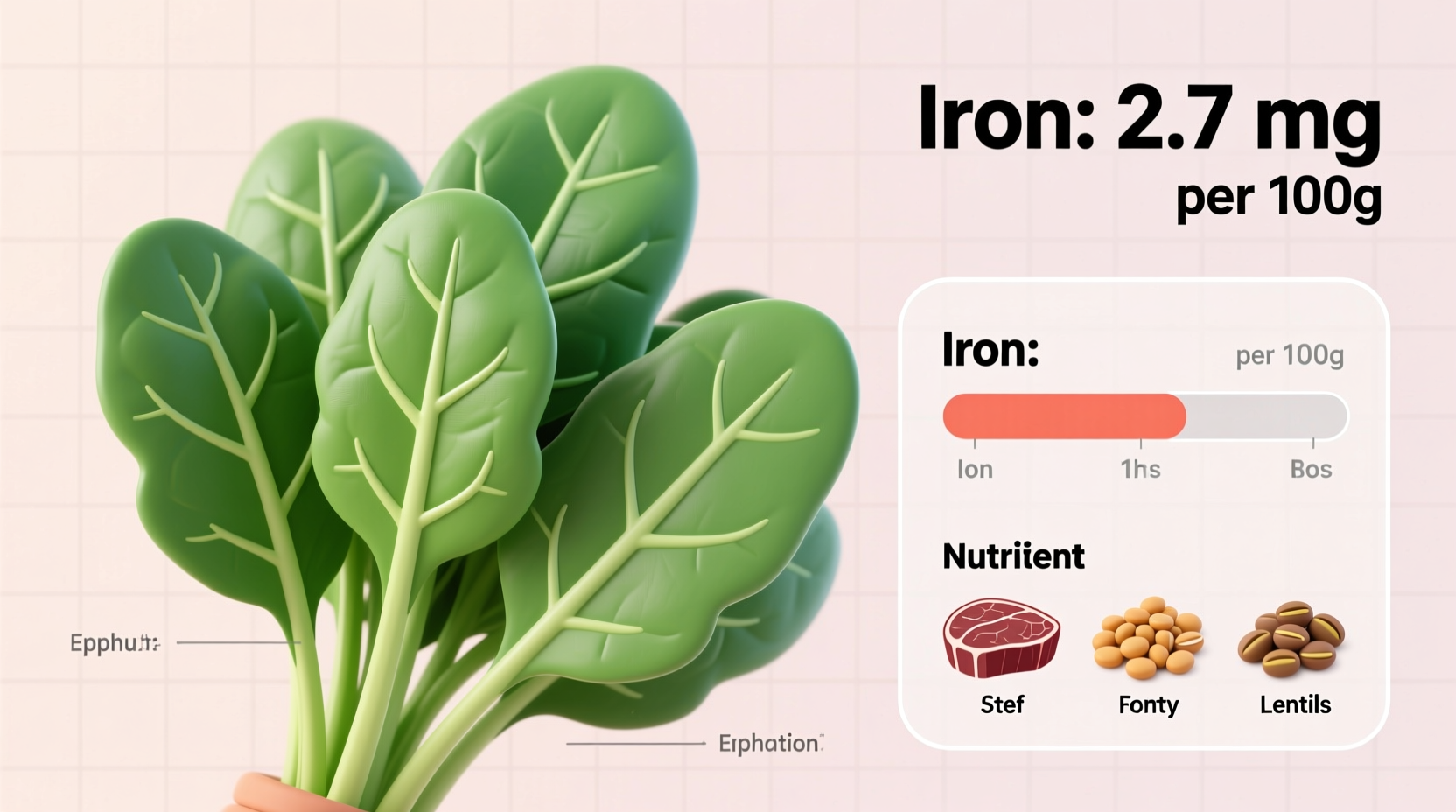
Spinach (Spinacia oleracea) is a leafy green vegetable belonging to the Amaranthaceae family, native to central and western Asia. It has been cultivated for over 2,000 years and is now grown worldwide for its tender leaves and high nutrient density. Known for its mild, slightly earthy flavor and versatility in both raw and cooked preparations, spinach is used in salads, smoothies, soups, sautés, and casseroles.
Nutritionally, spinach is low in calories but packed with vitamins A, C, K, folate, magnesium, and antioxidants such as lutein and beta-carotene. Its iron content, while notable among plant foods, exists in a form that presents unique challenges for human absorption. Unlike heme iron from animal sources, the iron in spinach is non-heme iron, which is less efficiently absorbed by the body. Despite this limitation, spinach remains a valuable component of a balanced diet—especially when prepared strategically to enhance nutrient uptake.
Key Characteristics of Spinach
- Flavor profile: Mildly sweet with earthy, grassy notes; bitterness increases slightly when cooked or stored.
- Aroma: Fresh, green, and vegetal when raw; becomes deeper and more savory when sautéed.
- Color and form: Deep green leaves; available fresh, frozen, canned, or freeze-dried.
- Iron type: Non-heme iron (plant-based), which has lower bioavailability than heme iron.
- Culinary function: Adds color, volume, nutrients, and texture to dishes; acts as a base, filler, or flavor enhancer.
- Shelf life: Fresh spinach lasts 3–7 days in the refrigerator; frozen retains nutrients longer.
Iron Content: What the Numbers Say
The amount of iron in spinach varies depending on its form and preparation. According to the U.S. Department of Agriculture (USDA), the iron content per standard serving is as follows:
| Serving Type | Weight | Iron (mg) |
|---|---|---|
| Raw spinach | 1 cup (30g) | 0.8 mg |
| Cooked spinach (boiled, drained) | 1 cup (180g) | 6.4 mg |
| Frozen spinach (cooked) | 1 cup (160g) | 3.7 mg |
The significant increase in iron per cup after cooking is primarily due to water loss. Spinach wilts dramatically when heated—about six cups of raw leaves reduce to one cup cooked. While the concentration of iron rises, the total iron per original plant mass remains consistent. Therefore, eating a large volume of raw spinach would be necessary to match the iron in a smaller cooked portion, which may not be practical for most people.
For reference, the Recommended Dietary Allowance (RDA) for iron is:
- 8 mg/day for adult men and postmenopausal women
- 18 mg/day for premenopausal women
- 27 mg/day during pregnancy
Thus, one cup of cooked spinach provides about 36% of the daily requirement for men and postmenopausal women, and roughly 35% for pregnant individuals—but only if fully absorbed, which is rarely the case.
Bioavailability: The Hidden Challenge
The real issue with spinach’s iron isn’t the quantity—it’s the absorption. Non-heme iron from plants like spinach has an absorption rate of just 2% to 20%, compared to 15% to 35% for heme iron from meat. Several factors in spinach itself inhibit iron uptake:
- Oxalates: Spinach is high in oxalic acid, which binds to iron and forms insoluble complexes that the body cannot absorb. Studies suggest that up to 95% of the iron in raw spinach may be bound by oxalates.
- Phytates: Present in smaller amounts, these compounds also interfere with mineral absorption.
- Polyphenols: Certain plant compounds in spinach can further reduce iron bioavailability.
However, bioavailability isn’t fixed. It can be significantly improved through food combinations and cooking techniques—making strategic preparation key to unlocking spinach’s nutritional potential.
TIP: Cooking spinach—especially boiling—can reduce oxalate content by up to 30–87%, increasing the availability of calcium and iron. Steaming is less effective at removing oxalates, so boiling followed by draining is optimal when maximizing mineral absorption is the goal.
Practical Usage: How to Use Spinach for Maximum Iron Benefit
To truly benefit from spinach’s iron, you must pair it wisely and prepare it effectively. Here are evidence-based strategies for home cooks and health-conscious eaters:
1. Combine with Vitamin C–Rich Foods
Vitamin C (ascorbic acid) dramatically enhances non-heme iron absorption by converting ferric iron to ferrous iron—the form more easily absorbed in the gut. Adding just 100 mg of vitamin C (about the amount in half an orange) can triple or quadruple iron uptake.
Examples:
- Add diced bell peppers, lemon juice, or cherry tomatoes to spinach salads.
- Blend spinach into smoothies with strawberries, kiwi, or orange segments.
- Sauté spinach with garlic and finish with a splash of lemon juice.
2. Avoid Inhibitors During Iron-Rich Meals
Simultaneous consumption of certain beverages and foods can hinder iron absorption:
- Tea and coffee: Tannins reduce iron absorption by up to 60%. Wait at least one hour before or after meals to consume them.
- Dairy products: Calcium competes with iron for absorption. Avoid pairing spinach with cheese-heavy dishes unless vitamin C is also present.
- Whole grains and legumes: High in phytates; soak, ferment, or sprout them to reduce inhibitor levels.
3. Optimize Cooking Methods
As previously noted, cooking spinach improves iron availability:
- Boil and drain: Most effective for reducing oxalates. Discard the water afterward to remove leached compounds.
- Sauté with healthy fats: Enhances the absorption of fat-soluble vitamins (A, K, E) and adds satiety.
- Use in soups and stews: Long cooking times break down cell walls, potentially releasing more nutrients.
4. Incorporate Into Iron-Smart Meal Frameworks
Design meals around synergy. For example:
- Breakfast: Spinach and tomato omelet with a side of orange slices.
- Lunch: Lentil and spinach soup with a squeeze of lemon.
- Dinner: Stir-fried tofu, spinach, red bell peppers, and brown rice.
PRO TIP FOR COOKS: When making spanakopita or stuffed pastries, blanch spinach first, squeeze out excess water, and mix with lemon zest and feta (in moderation). The acidity offsets some inhibition, and the dish delivers concentrated nutrients in a flavorful format.
Variants & Types of Spinach
Not all spinach is created equal. Different varieties and forms affect texture, flavor, and nutrient retention:
| Type | Description | Best Uses | Iron Considerations |
|---|---|---|---|
| Savoy Spinach | Crinkly, dark green leaves; robust texture. | Sautéing, soups, casseroles. | Higher oxalate content; best cooked to improve iron access. |
| Flat-Leaf (Baby) Spinach | Smooth, tender leaves; milder taste. | Salads, sandwiches, blending. | Lower oxalates than savoy; better for raw use with vitamin C. |
| Triple-Washed Pre-Packaged | Convenient, ready-to-eat; often baby spinach. | Quick salads, last-minute additions. | Nutrient loss possible over time; use within 3–5 days. |
| Frozen Spinach | Blanched and chopped; flash-frozen. | Cooked dishes, baking, sauces. | Retains iron well; often lower in oxalates due to blanching. |
| Canned Spinach | Soft texture, higher sodium. | Limited culinary appeal; occasional use. | Some iron leaching into liquid; rinse before use. |
Comparison with Other Iron-Rich Greens
While spinach is iconic, other leafy greens offer competitive or superior iron profiles—sometimes with fewer absorption barriers.
| Green | Iron (mg per cup cooked) | Oxalate Level | Notes |
|---|---|---|---|
| Spinach | 6.4 mg | Very High | High iron but poor bioavailability due to oxalates. |
| Swiss Chard | 4.0 mg | High | Similar limitations; best paired with vitamin C. |
| Collard Greens | 2.7 mg | Moderate | Better absorption than spinach; traditional Southern prep with citrus or tomatoes helps. |
| Turnip Greens | 3.2 mg | Low-Moderate | Excellent alternative; often overlooked. |
| Kale | 1.2 mg | Low | Lower iron but higher bioavailability; ideal for raw applications. |
This comparison reveals a paradox: spinach tops the list in iron content per serving, but its high oxalate level undermines its effectiveness. For those seeking usable iron, rotating in lower-oxalate greens like turnip greens or kale—while still enjoying spinach in optimized preparations—may yield better overall results.
Practical Tips & FAQs
Q: Is raw spinach good for iron intake?
A: Raw spinach contains iron, but its high oxalate content severely limits absorption. If consuming raw, always pair it with a strong source of vitamin C—such as citrus, strawberries, or bell peppers—to improve uptake.
Q: Does cooking destroy iron in spinach?
A: No. Cooking does not destroy iron; in fact, it concentrates it by removing water and can reduce oxalates, thereby increasing the proportion of absorbable iron. Boiling and draining is particularly effective.
Q: Can spinach replace meat as an iron source?
A: Not entirely. While spinach contributes meaningful non-heme iron, it should be part of a broader strategy that includes legumes, fortified grains, pumpkin seeds, quinoa, and—if consumed—meat or fish. Vegetarians and vegans need to be especially mindful of combining enhancers and avoiding inhibitors throughout the day.
Q: How much spinach should I eat for iron?
A: Aim for 1–2 cups cooked spinach several times per week, integrated into meals with vitamin C. Daily consumption is safe for most people, but those prone to kidney stones (due to oxalates) should moderate intake and consult a healthcare provider.
Q: Are there iron supplements that work with plant-based diets?
A: Yes. Supplements like ferrous sulfate, ferrous gluconate, or bisglycinate are commonly used. However, always consult a doctor before starting supplementation. Pairing dietary strategies with medical guidance is safest for addressing deficiency.
STORAGE TIP: Store fresh spinach in a sealed container lined with paper towels to absorb moisture. Use within 5 days for peak freshness and nutrient retention. Frozen spinach keeps for up to 12 months and is nutritionally comparable when properly blanched.
\"The power of spinach isn't in its raw numbers—it's in how you prepare it. Pairing matters more than portion when it comes to plant-based iron.\" — Dr. Elena Torres, Registered Dietitian and Nutritional Biochemist
Summary & Key Takeaways
Spinach contains a substantial amount of iron—particularly when cooked—but its bioavailability is limited by naturally occurring oxalates. To maximize iron absorption:
- Cook spinach, preferably by boiling and draining, to reduce oxalate levels.
- Combine it with vitamin C–rich foods like citrus, tomatoes, or bell peppers.
- Avoid consuming tea, coffee, or dairy at the same meal.
- Consider rotating in lower-oxalate greens such as kale, collards, or turnip greens for better-absorbed iron.
- Use frozen spinach for convenience and consistent nutrient delivery in cooked dishes.
While spinach alone won’t cure iron deficiency, it plays a valuable role in a diverse, thoughtfully constructed diet. By understanding the science behind nutrient absorption and applying simple culinary strategies, you can transform this leafy green from a symbolic superfood into a genuinely functional one. Whether you're building a salad, simmering a stew, or blending a smoothie, treat spinach not as a magic bullet—but as a smart tool in your nutritional toolkit.
Ready to boost your iron intake the right way? Try this tonight: Sauté 2 cups of fresh spinach with olive oil, garlic, and sliced red bell pepper. Finish with a squeeze of lemon and serve alongside grilled chicken or lentils. You’ll get both heme and non-heme iron, plus vitamin C to tie it all together.




 浙公网安备
33010002000092号
浙公网安备
33010002000092号 浙B2-20120091-4
Comments
No comments yet. Why don't you start the discussion?