
For collectors of Transformers action figures, choosing between two iconic Autobots—Ironhide and Hound—can be more than just a matter of preference. It's a decision that balances nostalgia, aesthetic appeal, rarity, and long-term investment potential. Both characters have deep roots in the Transformers mythos, appearing across animated series, comics, and blockbuster films. Yet when it comes to adding one (or both) to your display or investment portfolio, subtle but significant differences come into play.
This analysis dives beyond surface-level fandom to deliver a practical, collector-focused comparison. Whether you're expanding a vintage lineup or building a modern showcase, understanding what sets Ironhide and Hound apart will help you make a smarter acquisition.
Origins and Character Legacy
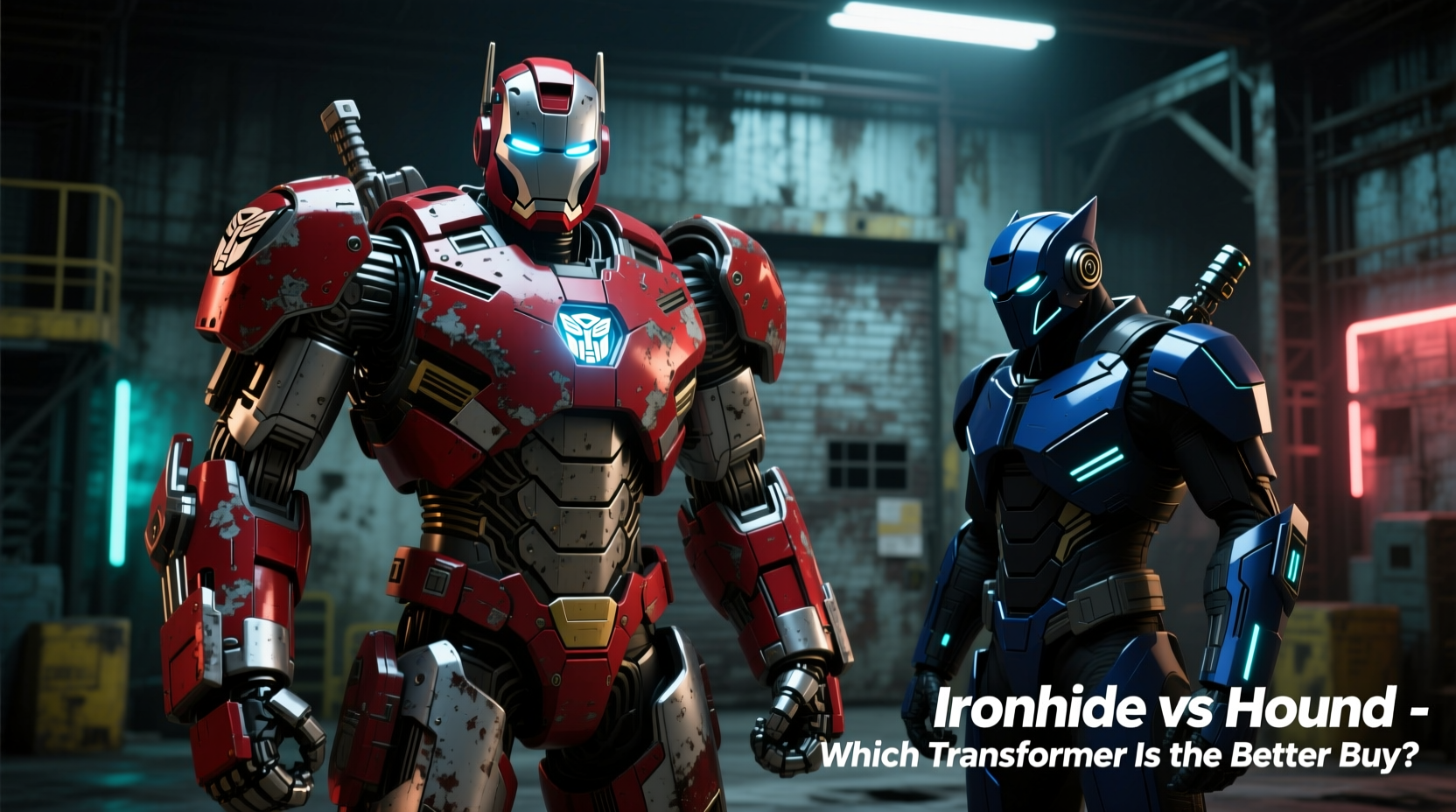
Ironhide and Hound were both introduced in the original 1984 Transformers cartoon and toy line as part of the first wave of Autobots. While they share the same allegiance and era of origin, their personalities and roles within the team diverge significantly.
Ironhide, often portrayed as Optimus Prime’s loyal bodyguard, is defined by his brashness, combat readiness, and no-nonsense attitude. He’s the soldier who doesn’t back down, frequently seen on the front lines with heavy weaponry. In contrast, Hound is the tactical scout—a calm, observant warrior equipped with camouflage gear and off-road capabilities. His vehicle mode, typically a military jeep or Humvee, reflects his role as a stealth operator.
“Hound represents the quiet professionalism of special forces, while Ironhide embodies the frontline grunt with heart. Their appeal speaks to different sides of the Autobot identity.” — Dr. Marcus Tran, Pop Culture Analyst and Toy Historian
Their contrasting archetypes influence how they’re portrayed across media. Ironhide gained wider mainstream recognition through Michael Bay’s live-action films, where he was depicted as a heavily armored, weapons-laden protector with a gruff personality. This portrayal boosted his popularity among younger audiences and casual fans. Hound, while less prominent in film adaptations, maintains a cult following among purists for his classic G1 design and understated heroism.
Design and Aesthetic Appeal
When evaluating collectible figures, visual impact is paramount. Display presence, sculpt detail, paint applications, and transformation complexity all contribute to a figure’s desirability.
Ironhide’s design tends to emphasize bulk and aggression. Modern interpretations often feature exaggerated shoulder cannons, metallic finishes, and dark color palettes dominated by red, black, and silver. His robot mode is typically broad-shouldered and imposing, making him a centerpiece in any lineup. However, some collectors note that over-the-top weaponization in newer versions can sacrifice articulation or balance.
Hound, on the other hand, favors functionality and realism. His G1-inspired molds usually include detailed off-road vehicle modes with working suspension, binoculars, and backpack-mounted gear. The green-and-tan color scheme stands out in a sea of red-and-blue Autobots, offering unique display contrast. While less flashy, Hound’s design rewards close inspection—his accessories and modular elements provide interactive value beyond static posing.
Collector Value and Market Trends
Rarity, condition, and demand are the holy trinity of collectible valuation. Here, a direct comparison reveals distinct trajectories for Ironhide and Hound figures.
| Factor | Ironhide | Hound |
|---|---|---|
| Production Volume | High (multiple releases across lines) | Moderate (fewer mainline variants) |
| Rarity (Vintage G1) | Common (widely available) | Slightly rarer (lower production run) |
| Premium Pricing (NIB*) | $150–$300 (film-era variants) | $200–$400 (especially G1 Deluxe) |
| Resale Growth (5-year avg.) | Stable (+3–5%) | Gradual rise (+8–12%) |
| Fan Demand | High (mainstream appeal) | Niche but dedicated |
*NIB = New in Box
While Ironhide benefits from broader recognition, leading to higher short-term liquidity, Hound’s limited releases—particularly from premium lines like Generations Selects or Studio Series 86—have shown stronger appreciation over time. His scarcity in mint condition drives up resale value, especially for variants tied to anniversary editions.
Building a Balanced Collection: A Step-by-Step Approach
Choosing between Ironhide and Hound shouldn’t be an either/or decision. Instead, consider how each fits into your larger collecting strategy. Follow this timeline to make an informed purchase:
- Assess Your Theme: Are you focusing on G1 authenticity, movie realism, or display diversity? Hound strengthens a retro-themed set; Ironhide enhances cinematic displays.
- Check Current Inventory: Review what you already own. If your lineup lacks scouts or green-colored bots, Hound fills a visual gap.
- Research Recent Sales: Use platforms like eBay, TFW2005 Marketplace, or Hero Collector to track sold listings for both figures in similar conditions.
- Evaluate Condition Priorities: Decide whether you’re buying for shelf display, box preservation, or play use. Mint-in-box Hounds yield better returns.
- Set a Budget and Wait: Avoid impulse buys. Pre-orders for exclusive Hound variants often sell out quickly; plan ahead.
Real Collector Example: The Midwest Showcase
Derek M., a longtime collector from Ohio, initially passed on Hound in favor of multiple Ironhide releases during the early 2010s. “I wanted the big, bold figures,” he recalls. “Ironhide looked powerful next to Optimus.” But over time, he noticed his display felt repetitive—too many red accents, too much armor clutter.
In 2021, he acquired a sealed G1-style Hound from the Transformers Vintage line. “That single addition changed the energy of my entire case. Hound brought balance. People actually stop to ask about him now.” More importantly, when Derek recently appraised his collection, the Hound—purchased for $70—was valued at $220 due to its untouched condition and discontinued status.
His experience underscores a key insight: emotional appeal matters, but so does strategic diversity.
Essential Buying Checklist
- ✅ Confirm the version (G1, Movie, EarthSpark, etc.) aligns with your collection theme
- ✅ Verify articulation and transformation smoothness (if intended for display-in-motion)
- ✅ Check for known manufacturing flaws (e.g., loose joints, paint errors)
- ✅ Research exclusivity (Hasbro Pulse, BotCon, SDCC variants hold higher value)
- ✅ Inspect packaging integrity if buying NIB—no tears, dents, or price tags
- ✅ Compare prices across three trusted retailers before purchasing
Frequently Asked Questions
Is Ironhide more valuable than Hound?
Not necessarily. While Ironhide figures may sell faster due to popularity, Hound’s lower production numbers—especially in vintage and reissue lines—often lead to higher long-term appreciation. A mint-condition G1 Hound can surpass even rare Ironhide variants in auction value.
Which Transformer has better accessory detail?
Hound generally includes more intricate accessories: binoculars, backpack systems, and terrain-specific gear. Ironhide’s accessories tend to focus on large-scale weaponry, which may appeal more to fans of combat aesthetics but offer less functional variety.
Should I buy both eventually?
Yes, if possible. Together, they represent complementary facets of the Autobot experience—frontline defense and tactical reconnaissance. Owning both adds narrative depth to your collection and increases overall cohesion, especially in themed displays.
Final Verdict: Who Wins the Showdown?
If your goal is immediate visual impact and broad recognizability, Ironhide is the stronger choice. His aggressive stance and film prominence make him a conversation starter and a natural companion to Optimus Prime.
However, if you're focused on long-term value, uniqueness, and thematic richness, Hound emerges as the superior investment. His relative scarcity, consistent fan reverence, and versatile display potential position him as a quietly powerful asset in any serious collection.




 浙公网安备
33010002000092号
浙公网安备
33010002000092号 浙B2-20120091-4
Comments
No comments yet. Why don't you start the discussion?