
For decades, toilet paper has been the standard for post-toilet hygiene in Western households. But as awareness grows about personal health, environmental impact, and water conservation, more people are reconsidering their bathroom routines. One of the most practical upgrades gaining traction is the bidet attachment—a simple device that connects to your existing toilet and uses a stream of water to clean after use. While common in parts of Asia, Europe, and South America, bidets are now becoming mainstream in North America. But is installing one actually worth it? The answer lies in understanding its real hygiene benefits, water usage efficiency, and long-term value.
Superior Hygiene Compared to Toilet Paper
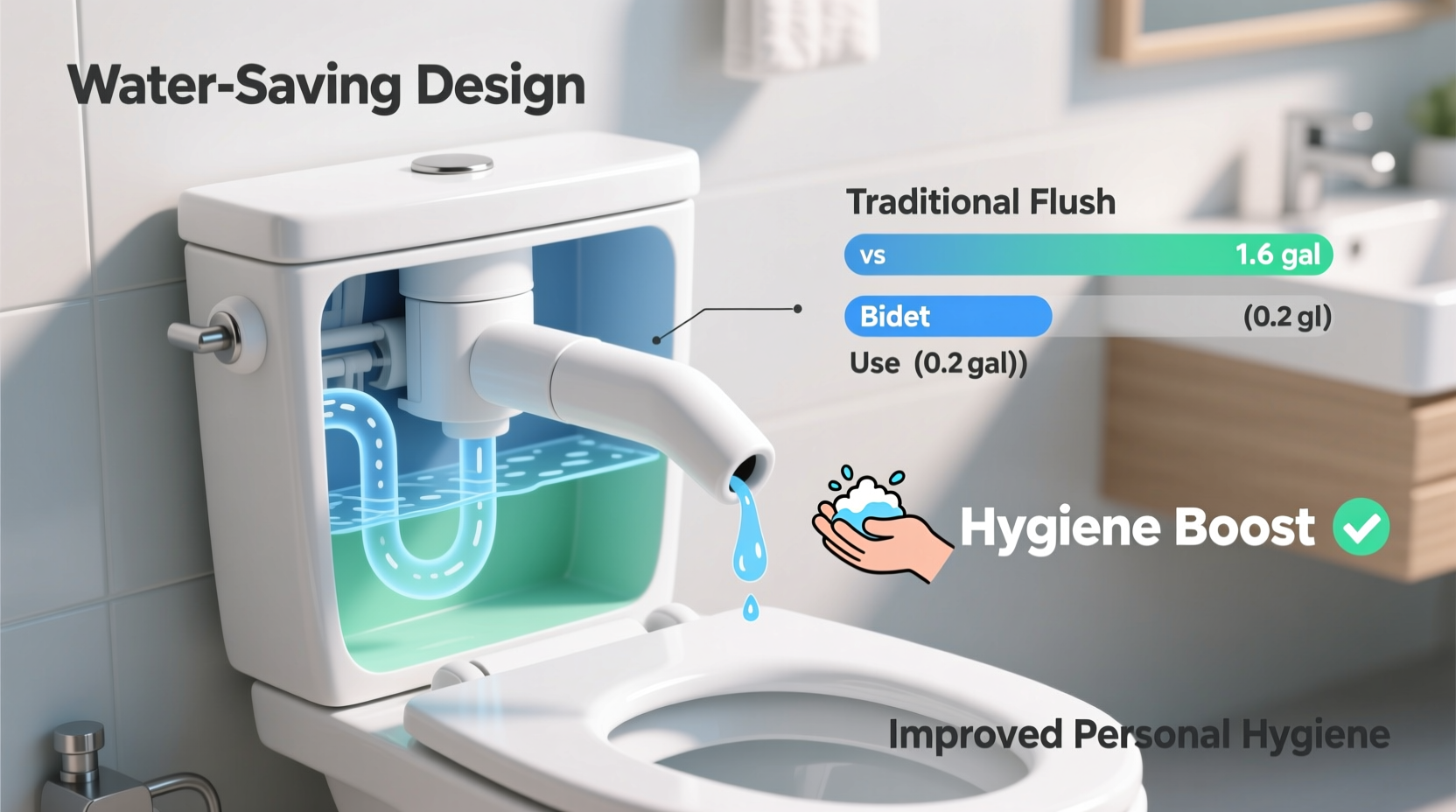
Toilet paper may feel familiar, but it’s far from optimal when it comes to cleanliness. Wiping with dry or even moistened paper doesn’t fully remove residue, especially in skin folds. This can lead to lingering bacteria, irritation, and even infections over time—particularly for individuals with hemorrhoids, sensitive skin, or mobility issues.
A bidet attachment offers a gentler, more thorough cleaning method. Using a controlled stream of water, it rinses away waste without friction or abrasion. This reduces micro-tears in delicate tissue and lowers the risk of urinary tract infections (UTIs), anal fissures, and general discomfort. Dermatologists and colorectal specialists often recommend bidets for patients recovering from surgery, suffering from chronic conditions like Crohn’s disease, or dealing with persistent irritation.
“Water cleansing is inherently more hygienic than wiping. It removes contaminants more completely and minimizes skin trauma.” — Dr. Lena Patel, Gastroenterology Specialist
Unlike toilet paper, which can smear rather than clean, a bidet provides a rinse that leaves you feeling truly fresh. Most models include adjustable spray settings—direction, pressure, and temperature—so users can customize their experience. After rinsing, a quick pat dry with a small amount of toilet paper or a reusable towel completes the process, using far less paper than traditional methods.
Water Usage: Are Bidets Actually Efficient?
One of the most common concerns about bidets is whether they increase household water consumption. After all, adding water to the bathroom routine sounds counterintuitive to conservation. But the reality is quite different.
Bidet attachments typically use between 0.5 to 1.5 gallons (1.9 to 5.7 liters) of water per use—often less than what’s used during a single flush of older toilets. In contrast, manufacturing toilet paper consumes vast amounts of water indirectly. According to the Environmental Impact Assessment Journal, producing a single roll of toilet paper requires approximately 37 gallons of water when accounting for pulp processing, bleaching, transportation, and energy use.
Consider this: the average American uses about 141 rolls of toilet paper per year. That translates to over 5,200 gallons of embedded water annually—just for toilet paper production. A bidet attachment, by drastically reducing reliance on paper, slashes this hidden water footprint while using only a fraction of water directly during each use.
| Metric | Toilet Paper (Annual) | Bidet Attachment (Annual) |
|---|---|---|
| Direct Water Use | Negligible | ~180–550 gallons |
| Indirect Water Use (Production) | ~5,200 gallons | Negligible |
| Paper Rolls Used | 141 | 10–20 (backup) |
| CO₂ Emissions (kg) | ~12 | ~1.5 |
The table above shows that while bidets use slightly more direct water, they eliminate the massive upstream water demand tied to paper manufacturing. Over time, the net water savings are significant—especially when considering deforestation, chemical pollution, and transportation emissions linked to toilet paper supply chains.
Installation and Cost: Simpler Than You Think
Many people assume bidets are complicated, expensive, or require major plumbing work. In reality, modern bidet attachments are designed for DIY installation and fit most standard toilets without tools or professional help.
Most models connect directly to the existing toilet water supply line. The process usually takes 15 to 30 minutes and involves turning off the water, detaching the supply hose, installing a T-valve splitter, and reconnecting everything. No electricity is needed for basic cold-water models. Heated versions with advanced features like warm water, air drying, or remote controls do require an electrical outlet nearby, but plug-in options are widely available.
Prices vary based on features:
- Basic Cold-Water Models: $30–$60 – Manual control, no heat, ideal for renters or budget-conscious buyers.
- Warm-Water Bidets: $80–$150 – Mix hot and cold water via built-in valve; enhanced comfort.
- Electronic Smart Bidets: $200–$500+ – Include heated seats, adjustable sprays, deodorizers, and touchless operation.
Even at the higher end, a bidet attachment pays for itself over time through reduced toilet paper purchases. The average household spends $100–$150 annually on toilet paper. Cutting usage by 75% saves $75–$110 per year, meaning many models pay back their cost within 1–2 years.
Step-by-Step Installation Guide
- Turn Off Water Supply: Locate the shutoff valve behind the toilet and turn it clockwise to stop water flow.
- Empty the Line: Flush the toilet to drain remaining water from the tank.
- Install T-Valve: Attach the included T-shaped connector to the water supply line. One end goes to the toilet, the other to the bidet hose.
- Mount the Bidet: Clip or screw the bidet unit onto the rim of the toilet bowl, aligning the nozzle correctly.
- Connect Water Hose: Attach the bidet’s hose to the T-valve outlet.
- Turn Water Back On: Slowly reopen the shutoff valve and check for leaks.
- Test and Adjust: Activate the spray and adjust angle and pressure as needed.
Real-Life Example: A Family’s Transition to Bidets
The Thompson family of four lives in suburban Denver. With two young children and a parent managing irritable bowel syndrome (IBS), bathroom hygiene had become a daily concern. Frequent wiping caused skin irritation, and toilet paper costs were rising.
After researching alternatives, they installed a warm-water bidet attachment in their main bathroom. Within a week, all family members adapted to the new routine. The children found it “fun and clean,” while the adult with IBS reported significantly less discomfort and fewer flare-ups. They reduced their toilet paper use by 80%, switching to small pieces for drying only.
Within eight months, their savings on toilet paper exceeded the cost of the bidet. They later installed a second unit in their guest bathroom, noting that visitors were initially hesitant but left impressed. “It just makes sense,” said Sarah Thompson. “Once you try it, going back feels outdated.”
Environmental and Economic Benefits Beyond the Bathroom
Beyond personal hygiene and convenience, bidet adoption contributes to broader environmental goals. The U.S. alone consumes about 36.5 billion rolls of toilet paper annually, requiring nearly 15 million trees and generating substantial wastewater and carbon emissions during production.
By switching to a bidet, a single household can save roughly 300–400 rolls of toilet paper per year. Multiply that across millions of homes, and the collective impact includes:
- Reduced deforestation and habitat loss
- Lower greenhouse gas emissions from manufacturing and transport
- Less landfill waste (toilet paper accounts for 15% of bathroom waste by volume)
- Decreased strain on sewage systems due to less fiber buildup
Additionally, bidets reduce the need for wet wipes, which are a leading cause of sewer clogs and are not biodegradable. Unlike wipes, which can persist in waterways for decades, bidet use introduces no physical waste into the system.
Frequently Asked Questions
Do bidet attachments require electricity?
No, basic bidet attachments operate entirely with water pressure and do not need electricity. Only advanced electronic models with heated water, air dryers, or remote controls require a power source.
Are bidets hygienic for multiple users?
Yes. Most bidet attachments feature self-cleaning nozzles that sanitize before and after each use. The spray is targeted and does not splash outside the bowl area. Each user controls their own rinse, minimizing cross-contamination.
Can I install a bidet in a rental apartment?
Absolutely. Most bidet attachments are non-permanent and can be removed without damage. They attach to the existing water line and don’t alter plumbing permanently. Always inform your landlord, but many property managers approve them due to their low impact and water-saving benefits.
Actionable Checklist: Is a Bidet Right for You?
Before purchasing, consider these factors to determine if a bidet attachment fits your lifestyle:
- ✅ Do you or a family member suffer from hemorrhoids, UTIs, or skin sensitivities?
- ✅ Are you looking to reduce household waste and environmental impact?
- ✅ Do you want to lower recurring expenses on toilet paper?
- ✅ Is there easy access to the toilet’s water supply line?
- ✅ Are you open to trying a new hygiene routine with minimal learning curve?
- ✅ Do you rent? Check if removable, non-damaging installation is acceptable.
If you answered yes to three or more, a bidet attachment is likely a worthwhile investment.
Conclusion: A Small Change with Lasting Impact
Switching to a bidet attachment isn't just about modernizing your bathroom—it's a decision that enhances personal health, conserves resources, and reduces long-term costs. The initial adjustment is minor, but the benefits compound over time: cleaner hygiene, softer skin, fewer irritations, and a lighter ecological footprint.
With easy installation, affordable pricing, and proven advantages, there’s little reason to stick with outdated wiping methods. Whether motivated by health, sustainability, or economy, making the switch is one of the simplest yet most impactful home upgrades available today.




 浙公网安备
33010002000092号
浙公网安备
33010002000092号 浙B2-20120091-4
Comments
No comments yet. Why don't you start the discussion?