
For new parents setting up a nursery, one of the most debated decisions is whether to invest in a traditional changing bench or opt for a minimalist changing stool. Both have their advocates, but which option truly delivers better functionality, comfort, and long-term value? The answer depends on your space, lifestyle, and parenting priorities. This article breaks down the real-world pros and cons of each choice, backed by ergonomic insights, user experiences, and practical considerations.
The Changing Stool: Simplicity with Trade-offs
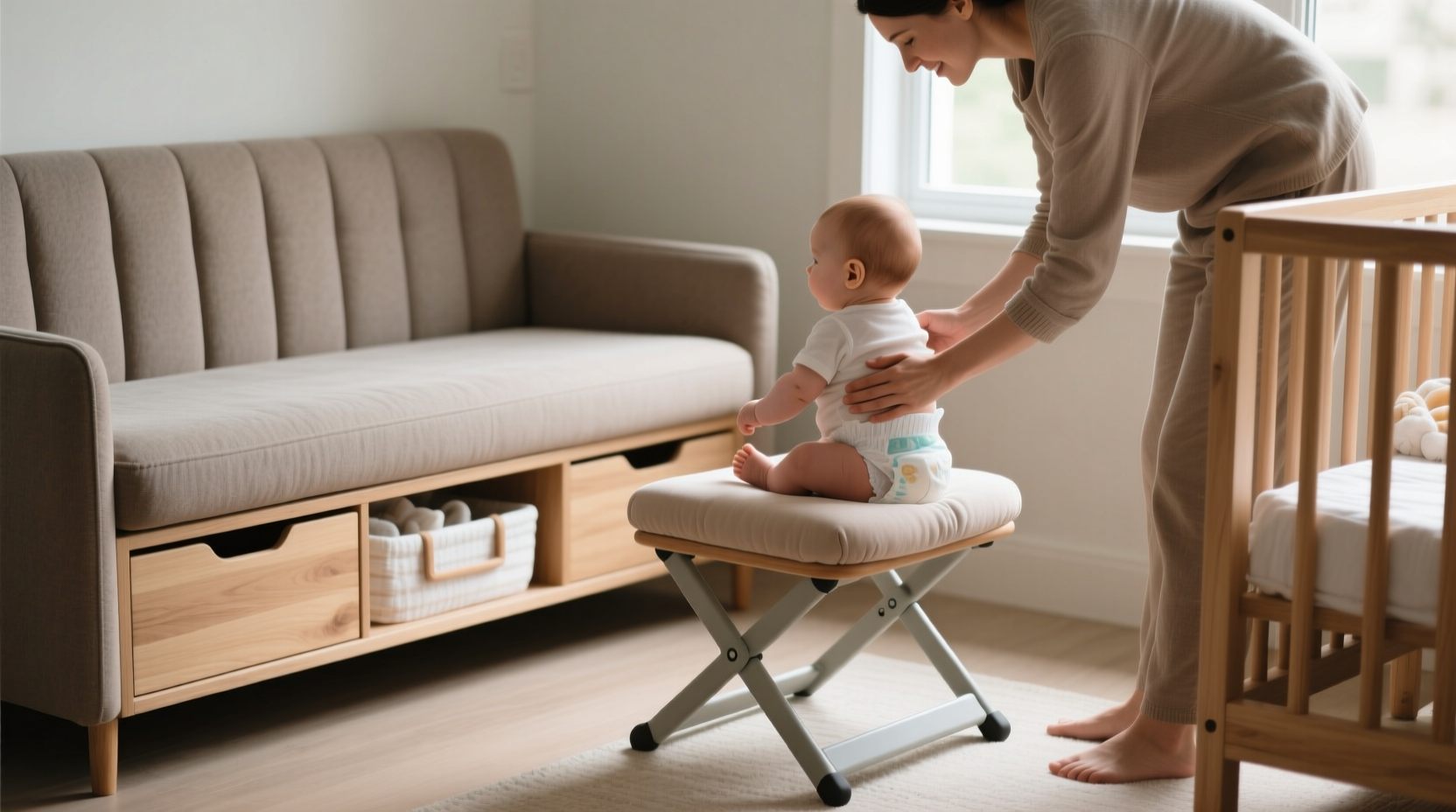
A changing stool—often just a padded seat placed near a wall-mounted changing unit—is designed to minimize footprint while offering a comfortable place to sit during diaper changes. Popular among modern, minimalist nurseries, these stools are lightweight, easy to move, and often stylish enough to double as decor.
They typically pair with wall shelves or hanging organizers, freeing floor space and reducing clutter. However, this compact solution comes with limitations. Most changing stools offer no storage, requiring nearby baskets or drawers for diapers, wipes, and creams. They also lack height adjustability, which can strain the back if the changing surface isn’t aligned with seated hip height.
The Full-Sized Changing Bench: Functionality First
A traditional changing bench combines a cushioned changing top with built-in storage underneath—drawers, cubbies, or shelves for essentials. These units are typically 36–42 inches high, allowing caregivers to change diapers without excessive bending. The integrated design keeps everything within arm’s reach, streamlining routine care.
Beyond convenience, changing benches often serve dual purposes. Many convert into toddler seats or repurpose as dressers after diaper duty ends, increasing long-term utility. Solid wood models, in particular, can last through multiple children and even be passed down.
“Ergonomics matter more than aesthetics when you’re changing diapers six times a day. A properly sized bench reduces repetitive strain.” — Dr. Lena Patel, Pediatric Ergonomics Researcher
Comparative Breakdown: Stool vs. Bench
| Feature | Changing Stool | Changing Bench |
|---|---|---|
| Floor Space | Minimal – ideal for small rooms | Larger footprint (30” x 50” avg) |
| Storage Capacity | None – requires separate organizers | Integrated drawers and shelves |
| Ease of Access | Depends on nearby setup | All supplies within reach |
| Ergonomic Support | Poor if surface is too high/low | Optimized height and support |
| Longevity | Limited – may be discarded post-infancy | Convertible models extend usability |
| Cost | $40–$120 | $180–$500+ |
Real-World Scenario: Two Families, Two Choices
The Urban Apartment Family: Sarah and Mark live in a 700-square-foot city apartment. Their nursery doubles as a guest room. They chose a sleek changing stool with a wall-mounted organizer. It fits neatly in a corner and disappears visually. While they appreciate the space-saving design, they admit that bending over the high rail to reach wipes causes lower back fatigue. They keep a rolling cart nearby, which helps—but adds visual clutter.
The Suburban Home Family: Jessica and Tom have a dedicated nursery in a larger home. They invested in a convertible changing bench with four deep drawers. Over 18 months, they’ve used it not only for diaper changes but also for folding baby clothes, storing blankets, and later as a seating area during story time. When their child turned two, they removed the changing top and repurposed the unit as a low dresser. The initial cost felt steep, but the versatility justified it.
When a Changing Stool Makes Sense
A changing stool is a smart choice if:
- You have limited floor space.
- You prefer a clean, uncluttered aesthetic.
- You already own storage solutions elsewhere.
- You plan to phase out the changing area quickly.
- You're on a tight budget.
However, success depends on thoughtful setup. Pairing the stool with a well-organized wall system is crucial. Magnetic wipe holders, over-the-door caddies, and under-shelf baskets can compensate for lack of built-in storage.
When a Changing Bench Is Worth the Investment
A full bench pays off when:
- You want everything in one place—no hunting for wipes mid-change.
- Back or joint pain is a concern; ergonomics reduce physical strain.
- You plan to use the furniture beyond infancy.
- You value efficiency during nighttime changes.
- Your nursery allows for larger furniture.
Higher-end models with non-toxic finishes, tip-resistant bases, and conversion kits offer safety and sustainability. Some brands even offer matching crib lines, creating a cohesive look.
Step-by-Step: Choosing the Right Option for Your Home
Follow this decision-making process:
- Measure your nursery space. Allow at least 30 inches of clearance around any changing area for safe movement.
- Assess your daily routine. How many diaper changes occur at night? Do you multitask during changes?
- Consider physical comfort. If you have back issues, prioritize ergonomics over aesthetics.
- Budget for longevity. Divide the cost of a bench by the number of years you’ll use it—many come out to less than $10/month over three years.
- Plan for the future. Will this piece still serve a purpose when your child is three?
FAQ
Can I use a regular stool instead of a changing-specific one?
Yes, but standard stools may lack padding or stability. Dedicated changing stools often have wider, contoured seats and non-slip bases for safety during quick movements with a baby.
Do changing benches become obsolete quickly?
Not if you choose a convertible model. Many transform into toddler seats, toy chests, or dressers. Solid wood units can last a decade or more with proper care.
Are wall-mounted changing stations safe?
When installed correctly into wall studs with secure hardware, yes. Always follow manufacturer instructions and never leave a baby unattended on any elevated surface.
Final Recommendation: Practicality Over Trends
While changing stools appeal to minimalist tastes and small spaces, they often sacrifice function for form. For most families, especially those expecting multiple children or valuing long-term utility, a high-quality changing bench is the better investment. It supports physical well-being, simplifies daily care, and adapts as your child grows.
The key is alignment with your real-life needs—not Instagram aesthetics. If space allows, test both options in person. Sit down, simulate a diaper change, and notice where you have to stretch, bend, or stand up to retrieve items. That hands-on experience will reveal more than any product description.




 浙公网安备
33010002000092号
浙公网安备
33010002000092号 浙B2-20120091-4
Comments
No comments yet. Why don't you start the discussion?