
In an age where smartphones ping with reminders and cloud-based calendars sync across devices, it’s easy to assume that paper planners are relics of a bygone era. Yet, quietly but steadily, bullet journals, undated notebooks, and leather-bound daily planners are reappearing on desks and in tote bags. From productivity experts to corporate executives, more people are rediscovering the tactile satisfaction and cognitive benefits of writing things down. So, what’s really happening? Is a daily planner truly making a comeback—or is your digital calendar still all you need?
The Digital Dominance: Why Calendars Rule Modern Scheduling
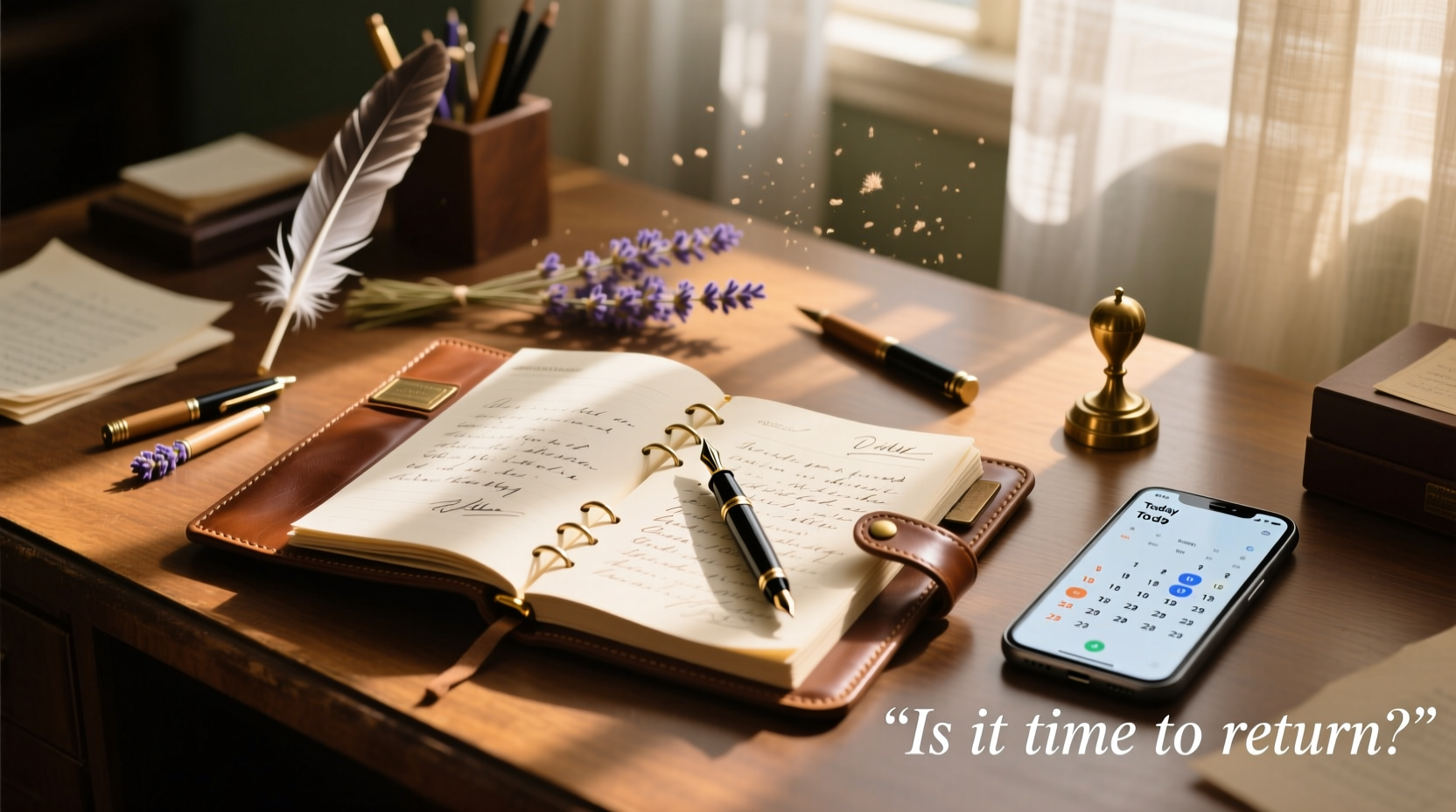
Digital calendars—Google Calendar, Outlook, Apple Calendar—have become the default for managing time. Their strengths are undeniable: automatic syncing, recurring events, time-zone detection, and seamless integration with email and task apps. For professionals juggling meetings across continents or parents coordinating school pickups and soccer practice, digital tools offer unmatched convenience.
Beyond logistics, digital calendars excel at automation. Set a reminder once, and it repeats every week. Invite colleagues with one tap. Receive alerts 15 minutes before a Zoom call starts. These features reduce mental load and help prevent scheduling conflicts.
However, efficiency isn’t the same as effectiveness. Just because something is fast doesn’t mean it’s meaningful. Many users report feeling overwhelmed despite—or because of—the constant stream of notifications. The ease of adding events can lead to overbooking. The passive nature of accepting invites without reflection turns calendars into cluttered repositories rather than intentional plans.
The Analog Resurgence: Why People Are Returning to Paper Planners
The resurgence of paper planners isn’t nostalgia—it’s a response to digital fatigue. Psychologists and neuroscientists have long noted that writing by hand engages the brain differently than typing. Studies show that handwriting improves memory retention, enhances focus, and supports deeper processing of information.
A physical planner forces intentionality. You can’t “quick-add” a meeting without thinking about where it fits. You see blank space, not just colored blocks. That visual real estate creates room for reflection: *Do I really have time for this? What needs to happen first?*
Designers have responded with sophisticated layouts: hourly breakdowns, habit trackers, gratitude logs, and priority matrices. Brands like Moleskine, Passion Planner, and Panda Planner blend functionality with aesthetics, appealing to both creatives and high-performers.
“Writing tasks by hand creates a psychological contract with yourself. You’re more likely to follow through when you’ve physically committed to it.” — Dr. Rebecca Tran, Cognitive Behavioral Psychologist
Comparing the Two: A Practical Breakdown
| Feature | Digital Calendar | Paper Planner |
|---|---|---|
| Portability | Always with you (on phone) | Must carry physically |
| Synchronization | Instant across devices | None – manual updates only |
| Cognitive Engagement | Low – passive input | High – active writing |
| Flexibility | Easy edits, drag-and-drop | Permanent entries; limited space |
| Distraction Level | High (notifications, apps) | Minimal (no pings or pop-ups) |
| Long-Term Review | Hard to visualize past weeks | Physical archive enables reflection |
The table reveals a key insight: digital tools optimize for speed and connectivity; analog tools optimize for mindfulness and presence. Neither is inherently superior—they serve different purposes.
Real-World Example: How One Executive Balances Both
Sarah Kim, a marketing director at a tech startup, used Google Calendar exclusively for years. But after burning out from back-to-back virtual meetings, she introduced a paper planner into her routine. Her system now blends both worlds:
- She uses Google Calendar for all scheduled meetings, shared deadlines, and team availability.
- Each morning, she spends 10 minutes with her undated daily planner, transferring key items and adding priorities, notes, and energy levels.
- At day’s end, she reflects on what was accomplished and adjusts tomorrow’s plan accordingly.
“My digital calendar tells me what I’m doing,” Sarah explains. “But my paper planner helps me understand how I’m spending my time—and whether it aligns with my goals.”
When to Choose Which: A Step-by-Step Decision Guide
Choosing between a daily planner and a digital calendar shouldn’t be binary. Most effective users combine both strategically. Follow this timeline to build your ideal system:
- Assess your current pain points: Are you missing appointments? Overbooked? Distracted? Unfocused?
- Map your workflow: Identify which tasks require collaboration (digital) and which benefit from deep focus (analog).
- Start hybrid: Keep digital for logistics, add a paper planner for daily prioritization and reflection.
- Test for two weeks: Track energy levels, completion rates, and stress around scheduling.
- Refine: Drop what doesn’t work. Double down on what brings clarity.
Frequently Asked Questions
Can I use both a daily planner and a digital calendar effectively?
Yes—and many high performers do. Use digital tools for coordination and reminders, and a paper planner for intention setting, priority ranking, and daily review. The combination leverages the strengths of both.
Isn’t a paper planner outdated if I travel frequently?
Not necessarily. While digital access is convenient on the go, many travelers find that a compact planner reduces screen dependency. Pair it with periodic syncs to your phone, and you maintain flexibility without losing focus.
What if I lose my planner?
This is a valid concern. To mitigate risk, use your paper planner for short-term planning (daily/weekly), while keeping major deadlines and appointments backed up digitally. Think of it as a tactical tool, not your sole source of truth.
Action Checklist: Building Your Ideal Planning System
- ☐ Audit your current scheduling method—what’s working, what’s not?
- ☐ Choose one paper planner format (daily, weekly, undated) to trial for 14 days.
- ☐ Color-code your digital calendar by category (work, personal, health).
- ☐ Schedule a 10-minute morning ritual to plan your day on paper.
- ☐ Block at least one 90-minute focus session per day in both systems.
- ☐ End each day with a 5-minute review: What got done? What needs to shift?
Conclusion: It’s Not Either/Or—It’s Both/And
The question isn’t whether a daily planner is making a comeback or if your digital calendar is sufficient. The real answer lies in integration. Technology excels at connection and convenience, but human cognition thrives on intention and engagement. A well-placed paper planner doesn’t replace your smartphone—it complements it.
In a world of endless distraction, reclaiming control over your time starts with choosing tools that support attention, not erode it. Whether you prefer the crisp scratch of pen on paper or the tap of a screen, the goal remains the same: to move through your days with purpose, clarity, and agency.




 浙公网安备
33010002000092号
浙公网安备
33010002000092号 浙B2-20120091-4
Comments
No comments yet. Why don't you start the discussion?