
Many people love the look of plush, stylish decorative pillows on their beds—rich textures, bold colors, and elegant designs that elevate bedroom aesthetics. But when it comes to actual sleep, a pressing question arises: can a decorative pillow truly replace a standard bed pillow? While they may appear inviting, decorative pillows are designed with appearance in mind, not spinal alignment or long-term comfort. Understanding the differences between these two types of pillows is essential for making informed choices about your sleep setup.
The Purpose Behind Pillow Design
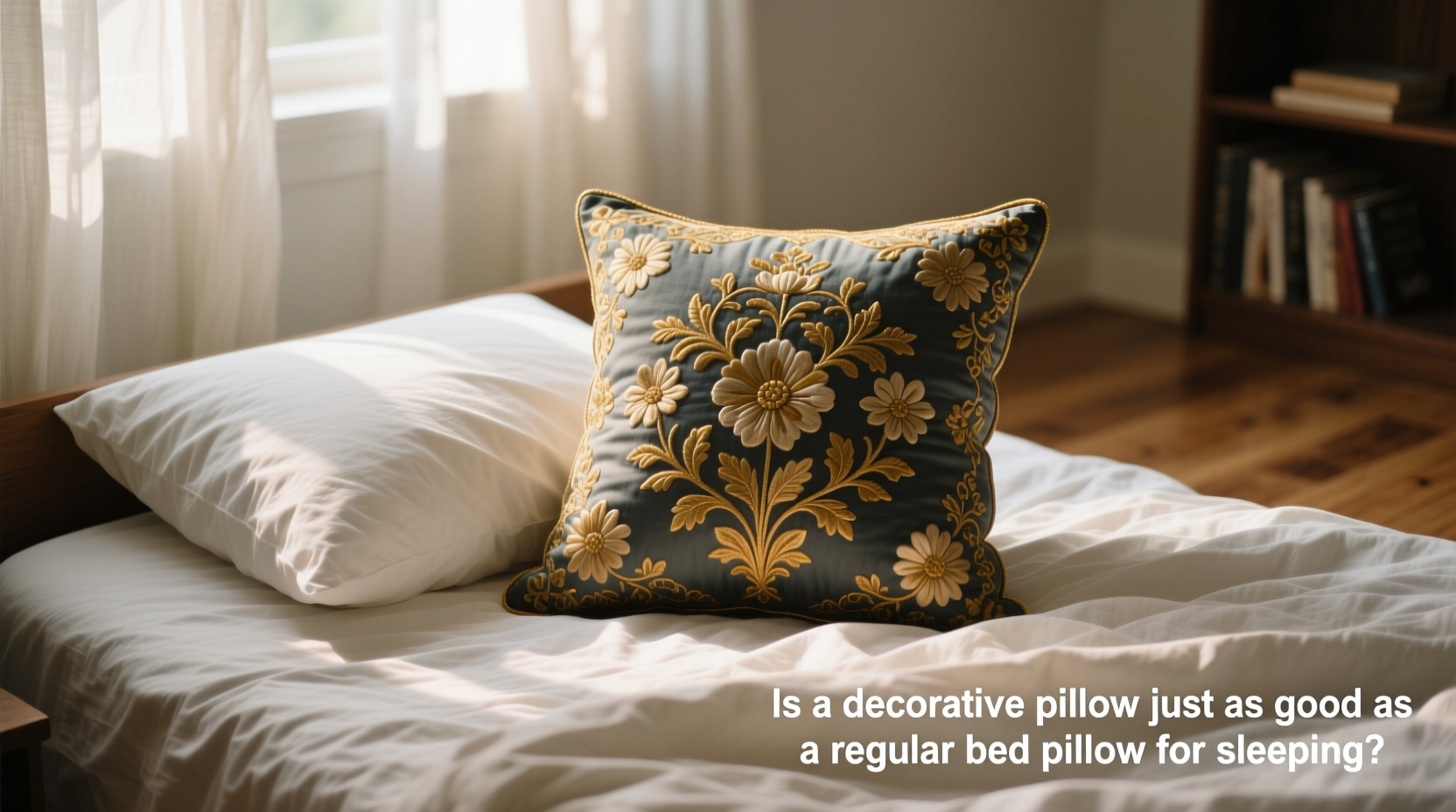
Bed pillows and decorative pillows serve fundamentally different purposes. A regular bed pillow is engineered to support the head, neck, and spine during sleep. It helps maintain proper spinal alignment, reduces pressure points, and contributes to overall sleep quality. These pillows come in various materials—memory foam, latex, down alternative, and polyester fiberfill—each offering distinct levels of firmness, loft, and breathability tailored to different sleeping positions and body types.
In contrast, decorative pillows prioritize visual appeal. Often made with stiff inserts, synthetic fills, or minimal cushioning, their primary function is aesthetic enhancement. They're commonly used on top of functional pillows at the head of the bed or arranged on sofas and chairs. Their fill is frequently compressed or too soft to provide consistent support, and their shape may collapse quickly under the weight of a resting head.
“Sleep posture begins with proper head and neck support. Using an unsuitable pillow—even temporarily—can lead to muscle strain and disrupted rest.” — Dr. Lena Torres, Sleep Posture Specialist
Support and Spinal Alignment: Why It Matters
One of the most critical factors in choosing a sleep pillow is its ability to keep the cervical spine (neck) aligned with the rest of the spine. When the head is propped too high or sinks too low, it creates unnatural angles that strain muscles and ligaments. Over time, this misalignment can contribute to chronic neck pain, headaches, and even shoulder discomfort.
Regular bed pillows are tested and designed to maintain consistent loft and resilience throughout the night. For example:
- Side sleepers need higher-loft pillows to fill the gap between the shoulder and head.
- Back sleepers benefit from medium-loft pillows that gently support the natural curve of the neck.
- Stomach sleepers require low-loft or flat pillows to prevent excessive neck extension.
Decorative pillows rarely accommodate these needs. Most lack adjustable loft, have uneven density, or compress too quickly. Even if a decorative pillow feels soft and inviting at first, it often fails to deliver sustained support beyond a few minutes.
Material and Fill: A Comparative Analysis
The internal composition of a pillow significantly affects breathability, durability, and hygiene. Below is a comparison of common materials found in both decorative and functional bed pillows:
| Type | Typical Fill | Support Level | Breathability | Suitable for Sleep? |
|---|---|---|---|---|
| Standard Bed Pillow | Memory foam, down, polyester blend | High to medium | Moderate to high | Yes |
| Decorative Pillow | Polyester fiberfill, foam scraps, minimal fill | Low to none | Low | No |
| Lumbar Support Pillow | Dense foam | High (targeted) | Moderate | Limited (not for head use) |
| Neck Roll Pillow | Firm foam or microfiber | Medium (ergonomic) | High | Yes, for specific positioning |
As shown, decorative pillows typically use low-grade fill that compacts over time, reducing airflow and increasing heat retention. This makes them poor choices for prolonged contact with the face and neck, especially for individuals who tend to sleep hot or have allergies.
Real-World Example: The Weekend Guest Dilemma
Consider Sarah, who recently hosted her sister for a weekend visit. Wanting the guest room to look polished, she layered three decorative pillows at the head of the bed—velvet bolster, embroidered square, and a tasseled lumbar cushion. Her sister, accustomed to a firm memory foam pillow, used one of the decorative ones out of politeness. By morning, she complained of a stiff neck and mild headache.
Sarah later realized that while the pillows looked beautiful in daylight, they offered no real support during sleep. She now keeps a spare orthopedic pillow stored in the guest room closet and only places decorative pillows at the foot of the bed or removes them before bedtime.
This scenario highlights a common oversight: aesthetics should never override ergonomics when it comes to sleep surfaces.
When (and How) Decorative Pillows Can Be Used Wisely
That said, decorative pillows aren't without value. They enhance room design, add texture, and create a welcoming atmosphere. The key is using them appropriately:
- Place them at the foot of the bed or folded at the side during sleep hours.
- Use them for lounging on reading chairs or window seats, where short-term comfort is sufficient.
- Layer them over functional pillows during the day, then remove them before sleeping.
- Choose decorative pillows with removable, washable covers to maintain cleanliness.
Checklist: Choosing the Right Pillow Setup
- ✅ Use a supportive bed pillow as your primary sleeping surface.
- ✅ Select a pillow based on your sleeping position and body size.
- ✅ Limit decorative pillows to non-sleep areas or daytime use.
- ✅ Replace bed pillows every 1–2 years or when they lose shape.
- ✅ Wash pillowcases weekly to reduce allergens and bacteria buildup.
Frequently Asked Questions
Can I sleep on a decorative pillow occasionally?
Occasional use—such as napping on the couch—is generally harmless, provided the pillow doesn’t cause neck strain. However, repeated use can lead to discomfort or poor posture over time. If you find yourself consistently reaching for a decorative pillow, consider replacing its insert with a supportive core.
Are there decorative pillows that double as sleep pillows?
Yes—some brands now offer “designer sleep pillows” that combine attractive fabrics with ergonomic fills like shredded memory foam or hypoallergenic down alternatives. Look for products labeled as both “decorative” and “supportive,” and check customer reviews for feedback on comfort during extended use.
How do I tell if my pillow isn’t supporting me properly?
Signs of inadequate support include waking with neck stiffness, shoulder pain, numbness in the arms, or frequent repositioning at night. If your pillow has lumps, sags in the middle, or smells musty, it’s likely past its prime and should be replaced.
Final Thoughts: Beauty Meets Functionality
A well-designed bedroom balances form and function. While decorative pillows bring charm and personality to your space, they should not compromise your sleep health. Prioritize a high-quality bed pillow tailored to your needs, and let decorative pieces play their rightful role—as accents, not replacements.
Investing in proper sleep support isn’t just about comfort; it’s about protecting your long-term physical well-being. You wouldn’t wear fashion heels to run a marathon—why subject your neck to a pillow that looks great but performs poorly?




 浙公网安备
33010002000092号
浙公网安备
33010002000092号 浙B2-20120091-4
Comments
No comments yet. Why don't you start the discussion?