
The iPhone XR, released in 2018, was a turning point in smartphone photography. Its single 12MP rear camera delivered sharp images, accurate colors, and surprisingly capable low-light performance for its time. Even today, with software updates and advanced computational photography, many users find it more than sufficient for everyday photos. This raises a legitimate question: in an era where smartphones can produce gallery-worthy images, is investing in a dedicated digital camera still worthwhile?
The short answer is yes — but not for everyone. While the iPhone XR (and newer iPhones) excel in convenience and social media-ready snapshots, digital cameras offer advantages that go far beyond megapixels. The decision ultimately hinges on your goals, shooting environment, and creative ambitions.
Image Quality: Beyond What You See on Instagram
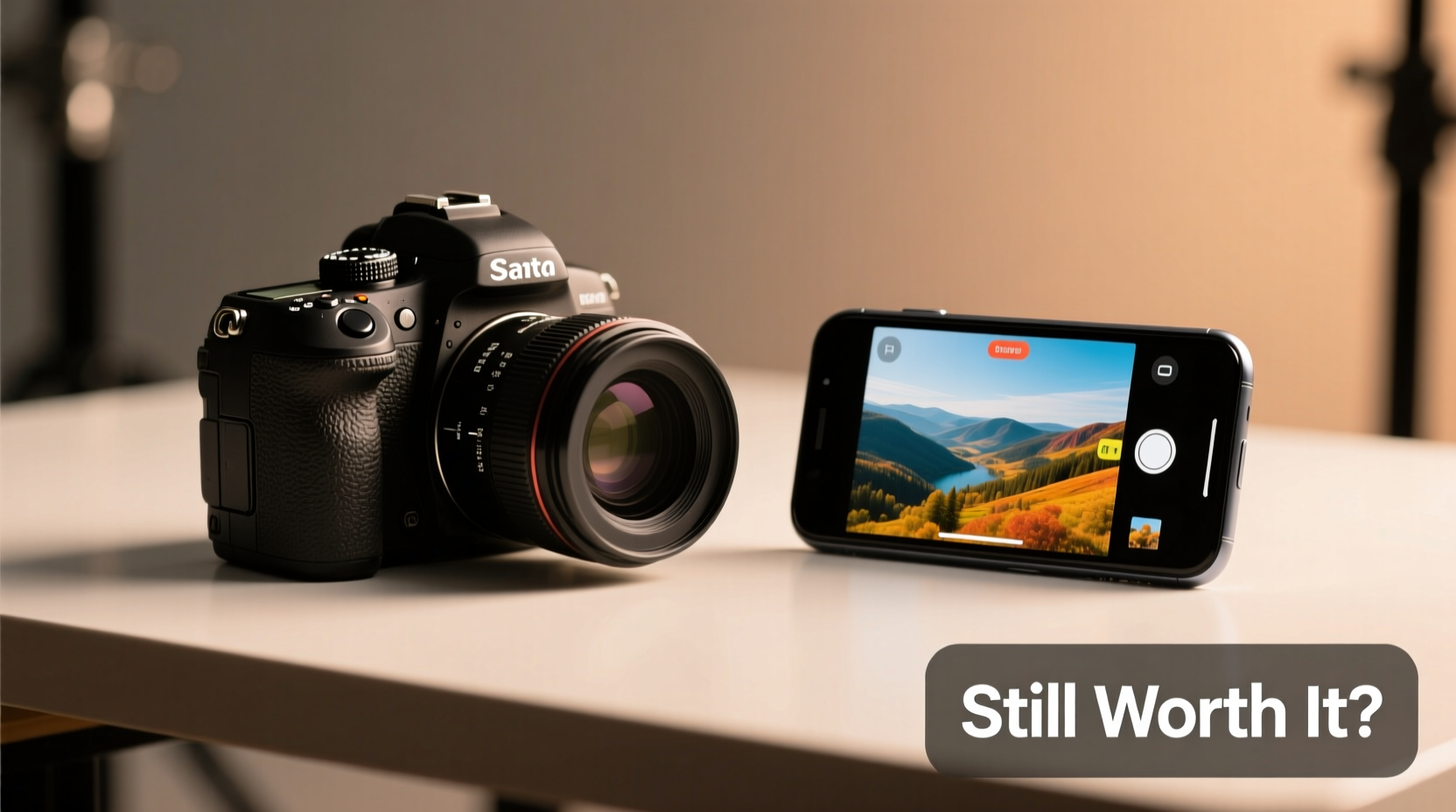
At first glance, iPhone XR photos look excellent. They’re well-exposed, color-balanced, and instantly shareable. But dig deeper, and limitations become apparent. The iPhone’s small sensor struggles in low light, often producing grainy or over-smoothed images due to aggressive noise reduction. Dynamic range — the ability to capture detail in both shadows and highlights — is narrower compared to even entry-level DSLRs or mirrorless cameras.
Digital cameras typically feature larger sensors, which gather more light and deliver cleaner images, especially in dim conditions. A full-frame sensor, for example, has up to 70 times more surface area than the iPhone XR’s sensor. This translates into richer detail, smoother bokeh (background blur), and greater flexibility in post-processing.
Versatility and Creative Control
Smartphones are designed for simplicity. The iPhone XR uses computational photography to automatically adjust exposure, focus, and white balance. While this makes photography accessible, it removes manual control — something essential for creative work.
Digital cameras let you adjust aperture, shutter speed, and ISO independently. Want to freeze motion at a sports event? Use a fast shutter speed. Prefer a dreamy portrait with blurred background? Open the aperture wide. These settings aren’t just technical details; they’re tools for storytelling.
Additionally, digital cameras support interchangeable lenses. A telephoto lens can bring distant wildlife into frame. A macro lens reveals intricate details invisible to the naked eye. The iPhone XR’s fixed 26mm-equivalent lens simply can’t match that range.
“Smartphones democratized photography, but cameras empower photographers.” — Sarah Lin, Professional Travel Photographer
Comparison: iPhone XR vs. Entry-Level Digital Camera
| Feature | iPhone XR | Entry-Level Mirrorless (e.g., Canon EOS M50) |
|---|---|---|
| Sensor Size | 1/2.55\" | APS-C (approx. 14x larger) |
| Low-Light Performance | Fair (noise above ISO 800) | Good (usable up to ISO 3200+) |
| Zoom Capability | Digital only (max 5x lossy) | Optical zoom via lens (e.g., 18-135mm) |
| Manual Controls | Limited (via third-party apps) | Full PASM modes |
| Battery Life | Moderate (shared with phone functions) | 300–800 shots per charge |
| Storage Flexibility | Fixed internal storage | Expandable via SD card |
A Real-World Example: Capturing a Sunset Wedding
Consider a wedding held outdoors at golden hour. The scene is beautiful — warm sunlight, dramatic skies, emotional moments. An iPhone XR user might struggle as the sun dips below the horizon. Automatic exposure could underexpose the couple’s faces, and noise would creep into shadow areas. HDR helps, but it can’t recover lost detail.
In contrast, a photographer with a digital camera could switch to a low ISO, use a wide aperture for subject isolation, and manually expose for the subjects’ faces. With RAW file support, they’d retain maximum data for editing later. The final images would have balanced exposure, rich color gradation, and minimal noise — critical for professional prints.
This isn’t about one being “better” — it’s about suitability. For casual snapshots, the iPhone XR wins on convenience. For preserving once-in-a-lifetime moments with fidelity, a digital camera is unmatched.
When a Digital Camera Makes Sense
Not every photographer needs a digital camera. Here’s a checklist to help you decide:
- You want to print large-format photos (e.g., wall art, books)
- You shoot in challenging lighting (low light, high contrast)
- You’re interested in learning photography as a craft
- You need long reach (wildlife, sports, events)
- You value image quality over instant sharing
- You shoot video and want better audio inputs and external mic support
Step-by-Step: Assessing Your Photography Needs
- Define your purpose: Are you documenting life, building a portfolio, or creating art?
- Review your last 50 photos: Were they taken in low light? Did you wish for zoom or blur control?
- Check your editing habits: Do you crop heavily or enhance shadows? If so, higher-quality source files matter.
- Test your iPhone’s limits: Take a photo in dim indoor lighting. Zoom in. Notice the noise and softness.
- Try a camera: Borrow or rent a mirrorless or DSLR. Shoot side-by-side with your iPhone.
- Evaluate results: Compare detail, dynamic range, and creative flexibility.
Frequently Asked Questions
Can the iPhone XR replace a DSLR for travel photography?
For casual travel, yes — the iPhone XR is lightweight and always with you. But if you hike at dawn, visit museums with poor lighting, or want professional-looking landscapes, a digital camera with interchangeable lenses and RAW support will yield significantly better results.
Do I need a digital camera if I only post to social media?
If your audience sees photos on phones or tablets, the iPhone XR’s output is perfectly adequate. Social platforms compress images, minimizing quality differences. However, if you ever want to license your photos or exhibit them, starting with higher-quality files gives you future-proofing.
Are digital cameras becoming obsolete?
No. While smartphone sales have impacted point-and-shoot camera markets, demand for mirrorless and DSLR systems remains strong among enthusiasts and professionals. Cameras continue to evolve with better autofocus, video capabilities, and connectivity — often integrating with smartphones rather than competing against them.
Conclusion: Choose the Right Tool, Not Just the Easiest One
The iPhone XR is an impressive device that puts capable photography in millions of pockets. It’s ideal for spontaneous moments, quick shares, and everyday memories. But it’s not a universal solution.
Digital cameras offer superior image quality, creative control, and adaptability across environments. They require more investment and effort — but they also reward patience with lasting results. Whether you're photographing your child’s first steps, exploring remote landscapes, or building a visual portfolio, a dedicated camera can elevate your work from good to exceptional.
If photography matters to you beyond convenience, then yes — a digital camera is still very much worth it. The iPhone XR captures moments. A digital camera helps you master them.




 浙公网安备
33010002000092号
浙公网安备
33010002000092号 浙B2-20120091-4
Comments
No comments yet. Why don't you start the discussion?