
When it comes to holiday decorating, few elements capture the magic of Christmas quite like string lights. From soft glows along eaves to dazzling displays across lawns, lighting transforms ordinary homes into seasonal spectacles. Among the more advanced techniques gaining popularity is the double layer Christmas light method—installing two overlapping rows of lights on rooflines, windows, and architectural features for enhanced depth and brightness. But does this added complexity deliver a payoff that justifies the hours spent on ladders and tangled cords?
The answer isn’t a simple yes or no. It depends on your goals, budget, home architecture, and tolerance for meticulous work. For some, the double layer technique elevates their display from festive to jaw-dropping. For others, it’s overkill—an exhausting commitment with diminishing returns. This article examines the real-world value of the double layer approach, backed by practical insights, comparisons, and expert perspectives.
What Is the Double Layer Christmas Light Technique?
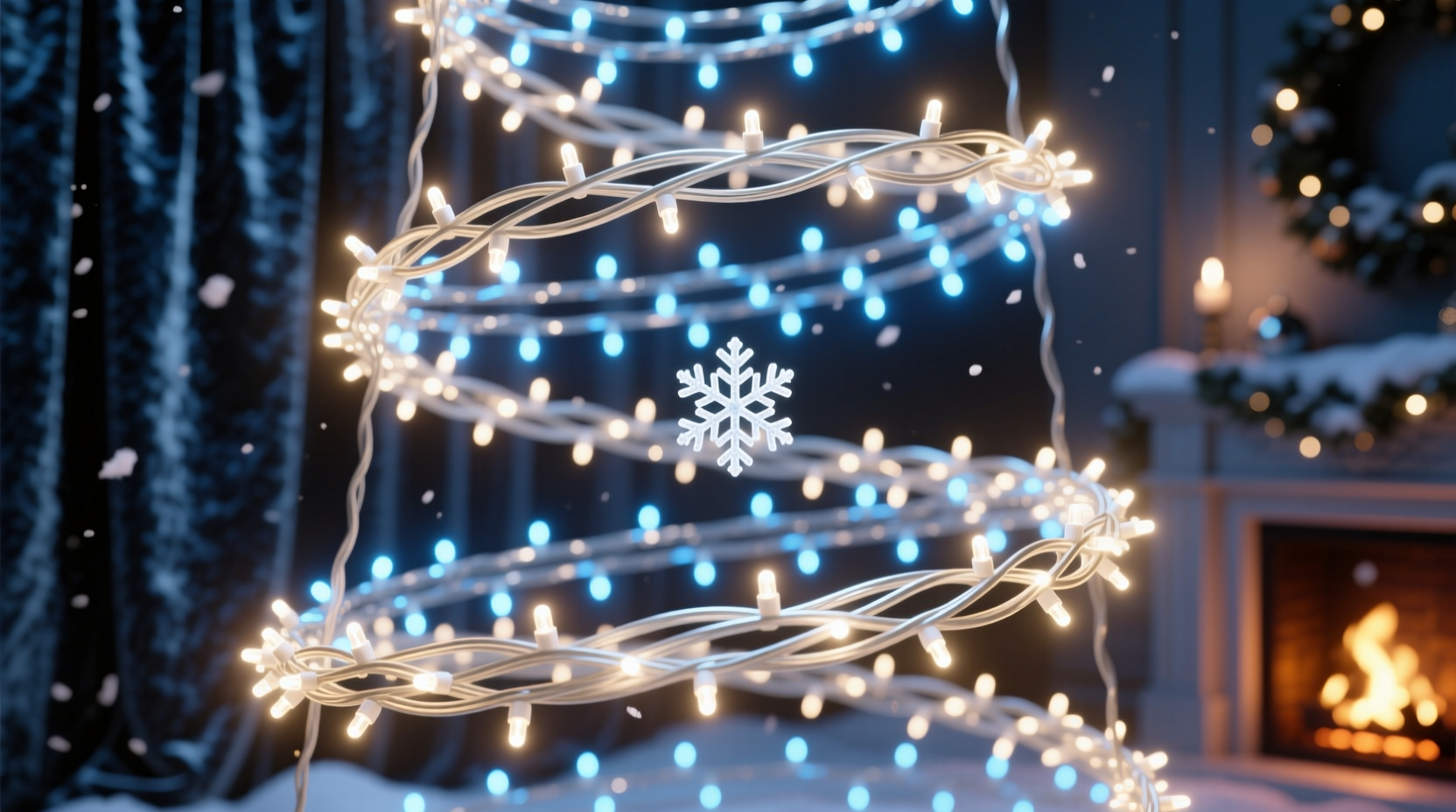
The double layer technique involves installing two parallel strands of Christmas lights along the same architectural line—typically roof edges, gutters, window frames, or porch outlines. Instead of one clean row of bulbs, you see two: one slightly above or behind the other, creating a fuller, richer appearance. The effect mimics professional-grade displays seen in shopping centers or high-end neighborhoods where density and brilliance are prioritized.
This isn’t about doubling random sections—it’s a deliberate, structured application. Lights are usually offset by 3 to 6 inches vertically or horizontally, depending on the surface. The second layer often complements the first in color, spacing, or even bulb type (e.g., warm white behind cool white), adding dimensionality rather than mere repetition.
“Layering lights isn’t just about brightness—it’s about creating visual weight. A single strand can look thin, especially on large homes. Two layers anchor the design and give it presence.” — Marcus Reed, Holiday Lighting Designer & Owner of Lumina Displays
Advantages of the Double Layer Approach
Proponents of the double layer method cite several tangible benefits:
- Increased luminosity: Two strands naturally emit more light, making displays visible from greater distances and standing out even in snowy or foggy conditions.
- Fuller, more luxurious appearance: Gaps between bulbs become less noticeable, giving the illusion of continuous light.
- Better coverage on wide surfaces: On broad rooflines or multi-story facades, a single row can appear undersized. Dual layers fill the space more proportionally.
- Enhanced three-dimensional effect: When installed with slight separation, the layers create depth, especially at night when shadows and reflections play across them.
- Greater design flexibility: You can mix colors, densities, or effects (e.g., steady vs. twinkle) between layers for dynamic results.
In neighborhoods where curb appeal matters during the holidays, this technique can elevate a home from “nice” to “must-see.” Real estate studies have shown that well-lit, thoughtfully decorated homes during December receive up to 40% more foot traffic from holiday sightseers, which can positively impact community spirit—or even local property perceptions.
Time, Cost, and Effort Considerations
While the aesthetic benefits are clear, the trade-offs are significant. Installing double layers effectively doubles the labor, materials, and planning required. Let’s break down the real costs:
| Factor | Single Layer | Double Layer |
|---|---|---|
| Labor Time | 4–6 hours (average home) | 8–12 hours |
| Number of Light Strings | 10–15 | 20–30 |
| Power Consumption (est.) | 120–180 watts | 240–360 watts |
| Material Cost (LEDs) | $100–$150 | $200–$300 |
| Maintenance Complexity | Low (fewer connections) | High (more points of failure) |
The most common complaint from homeowners who attempt double layering without preparation is troubleshooting. More strings mean more plugs, extension cords, and potential outage points. One failed connection can take out half a roofline if circuits aren’t properly segmented. Additionally, untangling twice as many strands increases setup frustration—especially if storage wasn’t organized post-season.
Weather also plays a role. In regions with early snowfall or high winds, double-layered lights face greater strain. Ice buildup between layers can pull fixtures loose, and wind resistance increases with surface area. Proper installation using durable gutter clips and weather-resistant connectors is non-negotiable.
A Step-by-Step Guide to Effective Double Layer Installation
If you’re committed to trying the technique, follow this proven sequence to maximize efficiency and minimize rework:
- Measure and plan: Walk around your home and measure all target areas. Sketch a rough diagram noting where each pair of strands will go.
- Choose compatible lights: Use identical length and bulb spacing for both layers to maintain alignment. Mismatched strands create uneven gaps.
- Install the base layer first: Start with the lower or rear strand. Secure every 12–18 inches using insulated clips—never nails or staples.
- Add the second layer with offset: Position the second strand 4–6 inches above the first. Slight staggering (e.g., front bulb between two rear bulbs) enhances depth.
- Test incrementally: Plug in each section as you go. Fix flickering or dead segments immediately before moving on.
- Use independent circuits: Avoid daisy-chaining too many strings. Split loads across multiple outlets or use a power distribution box.
- Secure all connections: Wrap electrical joints with waterproof tape and elevate them off the ground to prevent water ingress.
- Document your layout: Take photos or notes for next year. Note which outlets control which zones.
Allow at least two full weekends for most homes. Rushing leads to mistakes—and cold-weather impatience only compounds them.
Real Example: The Thompson Family’s Upgrade
The Thompsons in suburban Denver had always used a single layer of warm white LED lights along their roofline and porch columns. Their display was neat but unremarkable—often described by neighbors as “cozy but forgettable.” In 2022, inspired by a viral TikTok video, they decided to try the double layer method.
They purchased 24 additional strings of the same model lights and spent two full Saturdays installing the second layer 5 inches above the original. They staggered the bulbs slightly and added a third circuit to handle the load. The result? A dramatic increase in visibility and perceived warmth. Their street became a minor destination for holiday drivers, and local news even featured their home in a “Best Decorated Neighborhood” segment.
But there were downsides. One rainy evening in late December, a short in a poorly sealed connection took out the entire front roofline. Repairing it required removing half the new layer. They also noticed their electricity bill rose by $18 that month—modest, but unexpected.
“Was it worth it?” asked Sarah Thompson. “For the joy we saw on kids’ faces when they passed by, absolutely. But I’d plan better next time—better wiring, better documentation. It’s not something I’d do every year unless we really wanted to impress.”
When the Double Layer Technique Makes Sense
Not every home or homeowner benefits equally from this approach. Consider these scenarios where double layering delivers strong returns:
- Large or multi-story homes: Single strands get lost on expansive facades. Double layers provide proportional balance.
- Public-facing properties: Corner lots, houses near parks, or those on popular driving routes gain social goodwill from impressive displays.
- Charity or community-focused displays: If you're collecting donations or hosting light-viewing events, visual impact drives engagement.
- Photography or social media presence: Homes featured online benefit from higher production value.
Conversely, avoid double layering if:
- Your home has intricate architecture where clutter could dominate.
- You lack reliable outdoor outlets or surge protection.
- You plan to leave the display up for months (increased wear).
- You have limited storage or helpers for installation/removal.
Checklist: Is Double Layer Right for You?
Answer these questions before committing:
- Do I have enough matching lights, or am I willing to buy new ones?
- Can my electrical system handle the additional load safely?
- Do I have at least 10 hours to dedicate to installation?
- Am I prepared to troubleshoot issues mid-season?
- Will the enhanced display align with my neighborhood’s character or feel excessive?
- Do I have proper storage solutions to prevent tangling next year?
If you answered “no” to more than two, reconsider. There are other ways to enhance your display—such as adding spotlighted trees, animated figures, or synchronized music—that may offer better effort-to-impact ratios.
Frequently Asked Questions
Can I mix different types of lights in a double layer?
You can, but it’s risky. Mixing bulb sizes, colors, or spacings often creates visual dissonance. For best results, use identical strands. If experimenting, limit variation to one element—e.g., same white tone but different effects (steady + twinkle).
How do I prevent the layers from looking messy or tangled?
Use clip systems designed for layered installations. Maintain consistent spacing, avoid sharp bends, and test alignment before final securing. Step back frequently to view from the street level.
Are there energy-efficient alternatives to achieve a similar look?
Yes. High-density mini lights (100 bulbs per 25 feet instead of 50) can mimic the fullness of double layers with a single strand. Some premium LED models also offer higher lumens while consuming less power.
Final Verdict: Worth It—With Conditions
The double layer Christmas light technique can be worth the extra time and effort—but only under the right circumstances. For homeowners seeking maximum visual impact, willing to invest in quality materials, and able to manage the logistical demands, the results can be stunning. The added depth and brilliance transform flat outlines into glowing architectural features, creating a sense of warmth and celebration that resonates with visitors and passersby.
However, for casual decorators, those with time constraints, or homes where subtlety is preferred, the marginal gains rarely justify the doubled workload. A perfectly executed single layer often looks more polished than a sloppy double layer. Excellence in execution trumps quantity every time.
The key is intentionality. Don’t double up just because you can. Do it because it serves a purpose—whether that’s spreading joy, supporting a cause, or expressing personal creativity at a high level.




 浙公网安备
33010002000092号
浙公网安备
33010002000092号 浙B2-20120091-4
Comments
No comments yet. Why don't you start the discussion?