
Muscle soreness after exercise is a common experience, especially following intense or unfamiliar training sessions. Known as delayed onset muscle soreness (DOMS), this discomfort typically peaks 24–72 hours post-workout and can affect performance, mobility, and motivation. To combat soreness, many turn to recovery tools like static stretching or foam rolling. But which method is more effective? While both have their place in a recovery routine, emerging evidence suggests that foam rolling may offer superior short-term relief for sore muscles compared to traditional stretching—especially when used strategically.
This article examines the physiological effects of both techniques, reviews clinical research, and provides actionable guidance on how and when to use each method for optimal muscle recovery.
Understanding Muscle Soreness and Recovery Mechanisms
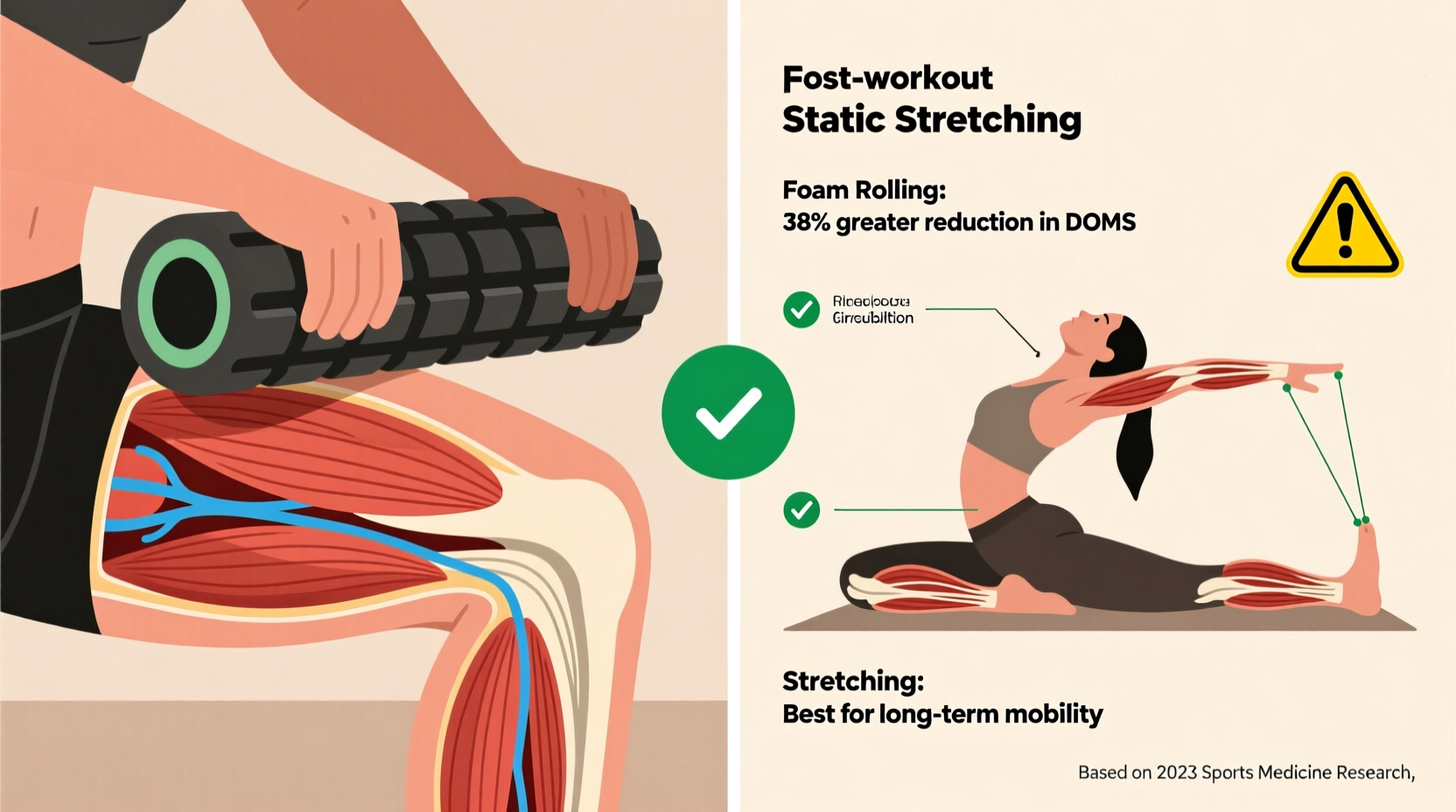
After strenuous physical activity, microscopic damage occurs in muscle fibers. This triggers an inflammatory response, leading to swelling, stiffness, and pain—commonly referred to as DOMS. While this process is natural and part of adaptation, excessive soreness can hinder consistency in training.
Recovery strategies aim to accelerate the removal of metabolic waste, improve blood flow, reduce muscle tension, and restore range of motion. Two widely accessible methods are static stretching and self-myofascial release (SMR), commonly performed with a foam roller.
- Static stretching involves holding a muscle in a lengthened position for 15–60 seconds. It primarily targets flexibility and neuromuscular relaxation.
- Foam rolling applies sustained pressure to soft tissues using body weight and a dense cylinder. It’s believed to influence fascia, break up adhesions, increase circulation, and modulate pain signals.
The key difference lies in mechanism: stretching elongates muscles passively, while foam rolling introduces mechanical pressure to stimulate tissue remodeling and local blood flow.
“Foam rolling appears to provide immediate improvements in range of motion and perceived soreness without compromising muscle performance—something static stretching doesn’t always achieve.” — Dr. Jason Stoneback, Sports Medicine Specialist
Scientific Evidence: Foam Rolling vs. Stretching for Soreness Relief
Multiple studies have compared the acute and chronic effects of foam rolling and stretching on muscle recovery. A 2015 study published in the Journal of Athletic Training found that participants who foam rolled after eccentric exercise reported significantly less soreness and retained more strength over the next 72 hours compared to control and stretching groups.
Another meta-analysis in Frontiers in Physiology (2020) concluded that foam rolling produced moderate reductions in DOMS and improved vertical jump performance post-exercise, whereas static stretching showed minimal impact on soreness and sometimes impaired power output if done pre-workout.
Why might foam rolling be more effective?
- Increased blood flow: Mechanical pressure from rolling stimulates vasodilation, enhancing oxygen delivery and waste removal in fatigued muscles.
- Pain gate modulation: Pressure input may interfere with pain signaling pathways, providing temporary analgesic effects.
- Fascial hydration: Prolonged compression may help rehydrate connective tissue layers, improving glide between muscle sheaths.
- Muscle tone normalization: Rolling may reduce hypertonicity in overactive muscles without decreasing force production.
In contrast, static stretching primarily affects neural stretch tolerance and muscle extensibility but does little to enhance circulation or reduce inflammation associated with DOMS.
When to Use Each Method: A Practical Comparison
Neither foam rolling nor stretching should be universally dismissed. Their effectiveness depends on timing, goals, and individual needs. The table below outlines key differences and ideal use cases:
| Factor | Foam Rolling | Static Stretching |
|---|---|---|
| Best for reducing soreness? | Yes – effective within first 48 hours | Limited effect on DOMS |
| Improves flexibility? | Moderate – especially when combined with stretching | Yes – long-term gains with consistency |
| Ideal time to perform | Post-workout or during recovery days | Post-workout or separate flexibility sessions |
| Impact on muscle performance | Neutral or positive | Potentially negative if done pre-exercise |
| Time required per session | 5–10 minutes | 10–15 minutes |
| Best for acute tightness? | Excellent – targets trigger points | Good – improves perceived tightness |
For athletes focused on minimizing downtime and maintaining performance, foam rolling offers a more targeted approach to managing soreness. However, those seeking long-term flexibility improvements should still incorporate regular stretching into their routines.
Step-by-Step Guide: Optimizing Post-Workout Recovery
To get the most out of your recovery, follow this integrated protocol combining both foam rolling and stretching—leveraging the strengths of each method at the right time.
- Immediately post-workout (0–10 minutes): Begin with light aerobic cooldown (e.g., walking or cycling) for 5–10 minutes to flush metabolites.
- Minutes 10–20: Foam roll major working muscle groups. Spend 30–60 seconds per muscle:
- Quadriceps: Roll from hip to knee, pausing on tender spots.
- Hamstrings: Sit with legs extended, roller under thighs.
- Glutes: Cross one ankle over opposite knee and roll the buttock.
- Calves: Support body with hands, roll from ankle to lower back of knee.
- Upper back: Lie with roller beneath shoulder blades, arms crossed.
- Minutes 20–30: Perform dynamic or static stretches. Hold each stretch 20–30 seconds:
- Standing hamstring stretch
- Kneeling hip flexor stretch
- Chest doorway stretch
- Seated forward fold
- Within 2 hours: Hydrate and consume protein-rich nutrition. Support cellular repair with adequate fluids and amino acids.
- Next 48 hours: Repeat foam rolling 1–2 times daily, especially if soreness persists. Avoid aggressive stretching on highly sore muscles.
“Think of foam rolling as ‘priming’ the tissue before you stretch. You’re making the muscle more pliable and responsive.” — Sarah Lin, Physical Therapist and Mobility Coach
Real-World Example: Marathon Runner’s Recovery Routine
Consider Maria, a recreational runner preparing for her first marathon. After a long 18-mile training run, she felt significant tightness in her quads and calves. In previous cycles, she relied solely on stretching, but still experienced debilitating soreness two days later.
This time, she adjusted her protocol. Immediately after finishing, she walked for 10 minutes, then spent 8 minutes foam rolling her legs. She followed with 5 minutes of gentle static stretches. That evening, she repeated a shorter rolling session.
Result: On day two, her soreness was mild and manageable. She maintained near-normal range of motion and completed a light cross-training session. By incorporating foam rolling as her primary tool for soreness management, Maria reduced her recovery time and stayed consistent with her training plan.
Checklist: Effective Post-Workout Soreness Management
Use this checklist after every intense workout to minimize muscle soreness and speed recovery:
- ✅ Cool down with 5–10 minutes of low-intensity movement
- ✅ Foam roll major muscle groups (30–60 seconds each)
- ✅ Target areas of tightness or known trigger points
- ✅ Follow rolling with static or dynamic stretching
- ✅ Hydrate with water or electrolyte beverage
- ✅ Eat a meal or snack with protein and carbohydrates within 2 hours
- ✅ Repeat foam rolling the same day or next morning if sore
- ❌ Avoid deep tissue massage immediately post-exercise if very sore
- ❌ Don’t stretch aggressively through sharp pain
Frequently Asked Questions
Can foam rolling replace stretching entirely?
No. While foam rolling effectively reduces soreness and improves tissue quality, it doesn’t fully substitute for flexibility training. For long-term mobility, combine both: use foam rolling to prepare tissues, then stretch to improve range of motion.
How often should I foam roll to reduce soreness?
For best results, foam roll within 10–30 minutes post-exercise. If soreness persists, repeat 1–2 times per day for the next 2–3 days. Daily rolling on non-training days can also prevent buildup of tension.
Is foam rolling safe for everyone?
Most people can safely use a foam roller, but those with circulatory disorders, nerve damage, or recent injuries should consult a healthcare provider first. Avoid rolling directly over joints, bones, or areas of acute injury.
Conclusion: Integrate Both, Prioritize Foam Rolling for Soreness
While both foam rolling and stretching contribute to recovery, foam rolling emerges as the more effective tool for reducing post-workout muscle soreness. Its ability to enhance blood flow, decrease muscle stiffness, and provide rapid symptom relief makes it a superior choice in the critical window after exercise. Static stretching remains valuable for long-term flexibility and neuromuscular health but plays a secondary role in acute soreness management.
The most effective recovery strategy isn’t choosing one over the other—it’s integrating both intelligently. Use foam rolling immediately after workouts to target soreness and improve tissue readiness, then follow with stretching to maintain or improve range of motion. This dual approach supports faster recovery, better movement quality, and sustained training progress.




 浙公网安备
33010002000092号
浙公网安备
33010002000092号 浙B2-20120091-4
Comments
No comments yet. Why don't you start the discussion?