
Staying hydrated is essential. From cognitive function to physical performance, water plays a role in nearly every system in the body. Yet, despite knowing this, many people fall short of their daily fluid needs. Enter hydration reminder apps—digital tools designed to prompt users to drink water at regular intervals. With dozens available on app stores, promising better focus, clearer skin, and improved energy, these apps have gained popularity. But do they genuinely help, or are they just another source of screen-time stress and notification fatigue?
The truth lies somewhere in between. For some, these apps are transformative. For others, they become background noise—or worse, a source of guilt and distraction. The real answer depends on individual habits, lifestyle, and how the app is used.
How Hydration Reminder Apps Work
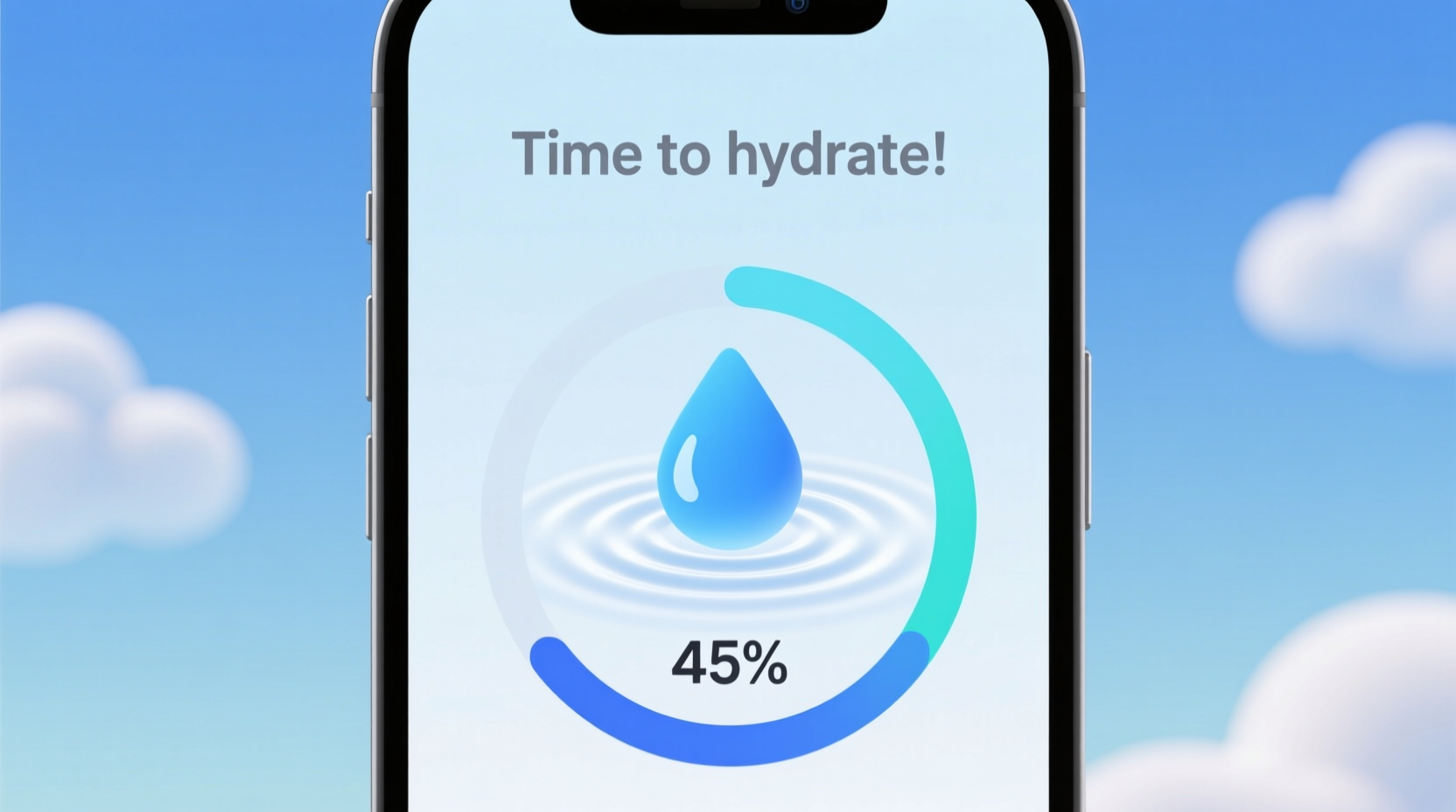
Most hydration tracking apps operate on a simple premise: set a daily water goal, input your preferred glass size, and receive periodic notifications reminding you to take a sip. Many include features like:
- Customizable reminders based on activity level, climate, or weight
- Manual or automatic logging of water intake
- Progress bars showing daily consumption
- Integration with fitness trackers (Apple Health, Google Fit)
- Themes, streaks, and gamification elements
Some go further, adjusting goals dynamically based on weather data, exercise duration, or even menstrual cycle phases. While the technology is impressive, functionality doesn’t guarantee effectiveness. A well-designed interface can’t compensate for poor user engagement or misaligned expectations.
The Science Behind Hydration and Behavior Change
Dehydration—even mild—can impair concentration, mood, and physical endurance. Research from the University of Connecticut shows that losing as little as 1–2% of body water can reduce alertness and increase fatigue. Given this, consistent hydration isn’t optional for peak performance; it’s foundational.
But knowledge alone rarely changes behavior. That’s where behavioral psychology comes in. Hydration apps often use principles from habit formation theory, such as:
- Cue-Routine-Reward Loops: A notification (cue) prompts drinking (routine), followed by a visual reward (e.g., filling a progress bar).
- Implementation Intentions: Apps encourage users to pre-decide when and where they’ll drink, increasing follow-through.
- Accountability: Daily logs create a sense of responsibility, similar to journaling or fitness tracking.
A 2021 study published in JMIR mHealth and uHealth found that participants using hydration apps increased their average daily water intake by 47% over four weeks. However, adherence dropped significantly after three months, suggesting long-term engagement remains a challenge.
“Apps can jumpstart healthy behaviors, but sustainability depends on personal relevance and integration into existing routines.” — Dr. Lena Patel, Behavioral Scientist at Stanford Medicine
When Hydration Apps Help—and When They Don’t
The usefulness of these apps varies widely depending on context. Below is a comparison of scenarios where they tend to be beneficial versus situations where they may cause more harm than good.
| Scenario | App Likely Helpful? | Why |
|---|---|---|
| New to tracking hydration | Yes | Provides structure and awareness of current habits |
| Highly active or works outdoors | Yes | Increased fluid loss requires proactive replenishment |
| Experiences frequent headaches or fatigue | Yes | Mild dehydration is a common but overlooked cause |
| Already drinks consistently | No | Unnecessary reminders add digital clutter |
| Suffers from anxiety or notification sensitivity | No | Potential for stress, obsessive tracking, or guilt |
| Uses phone minimally during workday | No | Notifications may be missed or ignored |
The key differentiator is intent. If the goal is awareness and habit-building, an app can serve as a useful scaffold. If the user already has strong hydration habits, the app adds little value and may disrupt flow.
A Real-Life Example: Sarah’s Experiment
Sarah, a 34-year-old project manager, struggled with afternoon brain fog. She drank coffee steadily but rarely thought about water. After reading about dehydration’s cognitive effects, she downloaded a popular hydration app and set a goal of 2.5 liters per day.
For the first two weeks, the app worked wonders. Gentle hourly pings reminded her to refill her bottle. She noticed fewer headaches and felt more alert in meetings. But by week three, the novelty wore off. She began ignoring alerts during deep work sessions. By week five, she had stopped logging entirely.
What changed? The app didn’t adapt to her schedule. It sent reminders during client calls and after bedtime. Frustrated, she uninstalled it. However, the experiment wasn’t a failure. Sarah had internalized the importance of hydration. Now, she keeps a large water bottle on her desk and refills it twice daily—a sustainable habit formed with temporary tech support.
Optimizing App Use: A Step-by-Step Guide
If you’re considering trying a hydration app—or reevaluating one you already use—follow this timeline to maximize benefit while minimizing annoyance:
- Week 1: Awareness Phase
Download an app and set a realistic goal (e.g., 2–3 liters). Enable notifications but keep them non-intrusive. Log every drink manually to build mindfulness. - Week 2: Pattern Recognition
Review your usage data. Notice when you skip drinks—during meetings? After dinner? Adjust reminder times accordingly. - Week 3: Customize & Simplify
Turn off redundant alerts. Replace disruptive sounds with subtle vibrations. Consider switching to passive tracking (e.g., smart bottles that sync automatically). - Week 4: Fade Out or Integrate
Begin relying less on notifications. Use the app only for weekly check-ins. If you’ve built consistent habits, consider uninstalling it and trusting your routine.
This phased approach treats the app as a training wheel, not a permanent crutch. The goal isn’t lifelong dependency on alerts but lasting behavioral change.
Common Pitfalls and How to Avoid Them
Even well-intentioned users can fall into traps. Here are three common issues and practical solutions:
- Notification overload: Getting pinged every hour becomes background noise. Solution: Limit alerts to 3–4 key times (e.g., mid-morning, post-lunch, mid-afternoon, evening).
- Obsessive tracking: Fixating on hitting exactly 2.7 liters can lead to discomfort or anxiety. Solution: Focus on trends, not perfection. Some days you’ll drink more, others less—both are normal.
- Ignoring bodily cues: Relying solely on apps can override natural thirst signals. Solution: Use the app as a supplement, not a replacement, for listening to your body.
Hydration Checklist: Building Sustainable Habits Without Over-Reliance on Tech
Use this checklist to develop a hydration strategy that lasts beyond app usage:
- ✅ Start the day with a glass of water upon waking
- ✅ Keep a reusable water bottle visible at all times
- ✅ Flavor water naturally with lemon, cucumber, or mint if plain water feels boring
- ✅ Monitor urine color—pale yellow indicates good hydration
- ✅ Adjust intake based on activity, heat, or illness (more fluid needed)
- ✅ Replace one sugary drink per day with water
- ✅ Practice mindful sipping instead of chugging large amounts at once
This approach emphasizes environmental cues and self-awareness over digital nudges.
Frequently Asked Questions
Do I really need to drink 8 glasses of water a day?
No, the “8x8” rule is outdated. Fluid needs vary by age, weight, climate, and activity level. The National Academies of Sciences recommends about 3.7 liters (125 oz) for men and 2.7 liters (91 oz) for women from all beverages and foods. Most people meet this through diet and thirst cues—supplement with water as needed.
Can hydration apps cause health anxiety?
Yes, especially for individuals prone to obsessive behaviors. Constant tracking and goal pressure can turn a healthy habit into a stressor. If you find yourself anxious about missing a reminder or feel guilty for not hitting your target, consider pausing app use and focusing on intuitive drinking.
Are smart water bottles better than apps?
For some, yes. Smart bottles (like HidrateSpark or Thermos Hydration Bottle) track intake automatically and glow to remind you—reducing the need for phone notifications. They’re pricier but offer seamless integration. However, a simple marked bottle with time indicators can be just as effective at lower cost.
Conclusion: Tools, Not Rules
Hydration reminder apps aren’t inherently helpful or harmful—they’re tools. Their value depends on how they’re used. For those rebuilding habits, working in dehydrating environments, or seeking structure, these apps can provide meaningful support. But for others, especially those already attuned to their body’s signals, they risk becoming digital clutter or sources of unnecessary pressure.
The most effective hydration strategy blends intentionality with simplicity. Technology can kickstart awareness, but lasting change comes from integrating small, consistent actions into daily life. Whether you use an app, a marked bottle, or nothing at all, the goal remains the same: listen to your body, stay prepared, and make hydration effortless.




 浙公网安备
33010002000092号
浙公网安备
33010002000092号 浙B2-20120091-4
Comments
No comments yet. Why don't you start the discussion?