
Staying hydrated is essential for energy, focus, digestion, and overall health. Yet, despite knowing this, many people struggle to drink enough water throughout the day. Enter hydration reminder apps—digital tools designed to nudge you with alerts, track your intake, and sometimes even gamify the process of drinking more water. But do these apps actually help, or do they simply add to the noise of constant notifications we already face? The answer isn’t black and white. For some, these apps are life-changing. For others, they’re more irritating than effective.
The real question isn’t whether hydration apps exist—it’s whether they work *for you*. By examining how they function, who benefits most, and where they fall short, we can make an informed decision about their place in our daily routines.
How Hydration Reminder Apps Work
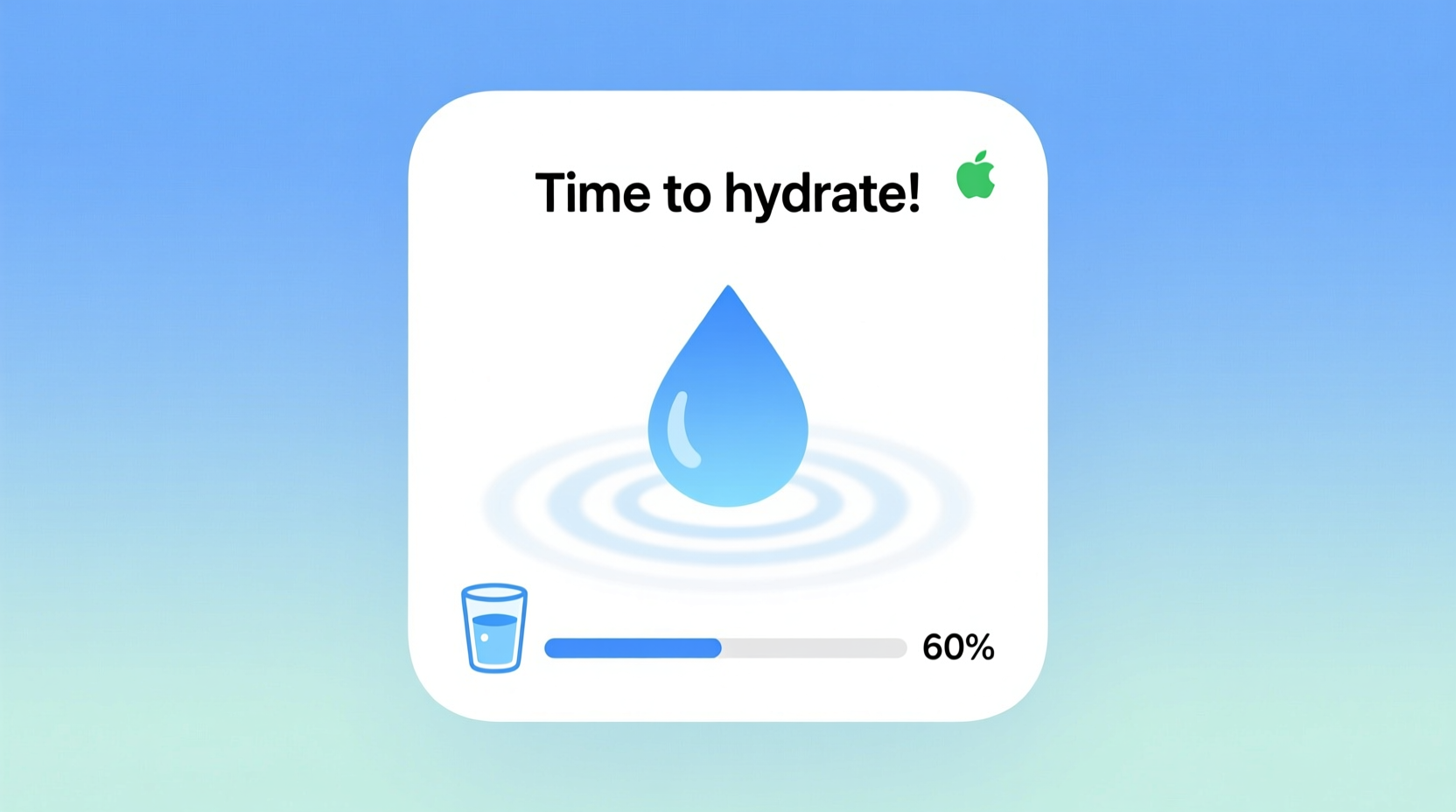
Most hydration tracking apps operate on a simple premise: set a daily water goal (often based on body weight, activity level, or climate), log each glass you drink, and receive reminders if you fall behind. Behind the scenes, they use algorithms to personalize recommendations and adjust timing based on your habits.
Features commonly include:
- Customizable water intake goals
- Push notifications at scheduled intervals
- Manual or voice-based logging (e.g., “Add 8 oz”)
- Synchronization with fitness trackers or smart bottles
- Progress charts and weekly summaries
- Themes, badges, or rewards for consistency
Some advanced apps integrate with Apple Health or Google Fit, pulling in data like steps taken or sweat loss during workouts to dynamically adjust your recommended intake. Others go further, offering gentle sounds or ambient visuals instead of jarring alerts, aiming to reduce notification fatigue.
The Science Behind Staying Hydrated
Dehydration—even mild—can impair cognitive performance, mood, and physical endurance. A study published in the journal Nutrition Reviews found that a fluid loss of just 1–2% of body weight (about 1.5–3 lbs for a 150-lb person) can lead to reduced concentration, increased fatigue, and headaches.
The National Academies of Sciences, Engineering, and Medicine recommend roughly:
- 3.7 liters (about 125 oz) of total water per day for men
- 2.7 liters (about 91 oz) for women
This includes all beverages and moisture from food—not just plain water. However, individual needs vary widely depending on climate, exercise, diet, and metabolism.
“Many people are chronically under-hydrated without realizing it. A simple cue system, like an app, can bridge the gap between intention and action.” — Dr. Lena Patel, Clinical Nutritionist and Hydration Researcher
The challenge lies in awareness. Thirst is a lagging indicator—by the time you feel thirsty, you may already be slightly dehydrated. This is where timely reminders can serve as preventive tools, especially for those with demanding schedules or poor hydration habits.
Who Benefits Most From Hydration Apps?
Not everyone needs a digital assistant to remember to drink water. But certain groups tend to see measurable improvements when using hydration apps consistently:
- Office workers: Sedentary desk jobs often lead to long stretches without drinking. Constant screen focus suppresses thirst cues.
- Athletes and fitness enthusiasts: High sweat output demands proactive rehydration. Apps that sync with wearables offer real-time adjustments.
- Older adults: Aging reduces thirst sensitivity, making older individuals more prone to dehydration.
- People managing chronic conditions: Those with kidney stones, migraines, or urinary tract issues are often advised to increase fluid intake.
- New habit builders: Anyone trying to replace sugary drinks with water may benefit from structured tracking and positive reinforcement.
In contrast, individuals who naturally carry a water bottle or have regular routines (like teachers or healthcare workers) may find apps redundant—or worse, disruptive.
Mini Case Study: Sarah, Marketing Manager
Sarah, 34, worked long hours in a fast-paced marketing role. She often skipped meals and drank only coffee until dinner. After experiencing frequent afternoon brain fog and headaches, her doctor suggested she monitor her hydration. Skeptical but willing to try, she downloaded a popular hydration app and set a goal of 90 oz per day.
At first, the hourly pings annoyed her. She silenced them after 7 PM to avoid sleep disruption. But within two weeks, she began associating the alert with a quick stretch and a refill. The app’s progress bar gave her a sense of accomplishment. After a month, she reported fewer headaches, improved skin clarity, and better focus during presentations.
“I didn’t think I needed it,” she said, “but the app made me aware of how little I was actually drinking. Now I don’t use it every day—but it helped me build the habit.”
The Annoyance Factor: When Reminders Backfire
Despite their potential, hydration apps can become counterproductive. Common complaints include:
- Notification overload: In a world already saturated with alerts, one more ping can feel intrusive.
- Rigid scheduling: A reminder at 2:15 PM might be perfect on paper, but not when you’re in a meeting or driving.
- Guilt-driven design: Some apps use red warnings or sad emojis when you fall behind, which can trigger stress rather than motivation.
- Inaccurate logging: Forgetting to log a glass distorts progress, leading to distrust in the system.
The key issue is personalization. A one-size-fits-all approach fails because hydration needs fluctuate daily. Someone who ran five miles needs more water than someone who stayed indoors—allergies, air conditioning, and caffeine intake also play roles.
| App Feature | Helpful When… | Annoying When… |
|---|---|---|
| Hourly reminders | You have irregular breaks and need structure | You’re in back-to-back meetings or offline |
| Progress bar | You respond well to visual feedback | It makes you feel guilty for falling behind |
| Voice logging | You’re active and hands-free | Voice recognition is inaccurate or slow |
| Smart bottle integration | You forget to log manually | The bottle is expensive or doesn’t fit your lifestyle |
Smart Usage Checklist: Maximizing Value, Minimizing Irritation
If you're considering a hydration app—or already using one but feeling frustrated—follow this checklist to optimize its role:
- Set a realistic daily goal: Don’t blindly accept default suggestions. Adjust based on activity, weather, and how you feel.
- Customize reminder times: Schedule alerts during natural breaks (e.g., post-meal, between tasks).
- Use gentle notifications: Opt for subtle vibrations or soft chimes instead of loud alerts.
- Log consistently—but forgive misses: One bad day doesn’t ruin progress. Avoid all-or-nothing thinking.
- Pair with a physical cue: Keep a marked water bottle on your desk so you can sip without relying solely on alerts.
- Limit usage duration: Try the app for 2–4 weeks to build the habit, then reassess whether you still need it.
- Turn off after hours: Set “quiet hours” to prevent nighttime disruptions.
Alternatives to App-Based Reminders
Apps aren’t the only way to stay on track. Consider low-tech or integrated solutions:
- Time-marked water bottles: Bottles with hourly labels eliminate the need for notifications.
- Habit stacking: Link drinking water to existing behaviors (e.g., after every bathroom break).
- Smart mugs or bottles: Devices like HidrateSpark glow to remind you and auto-sync with apps.
- Calendar blocking: Schedule 5-minute hydration breaks like any other appointment.
- Mindful sipping: Pause briefly before drinking to check in with your body’s actual need.
These methods reduce dependency on smartphones while promoting internal awareness—a crucial step toward sustainable hydration.
Frequently Asked Questions
Can hydration apps cause anxiety?
Yes, for some users—especially those prone to perfectionism or notification fatigue. Apps that emphasize missed goals with negative feedback can increase stress. Choose apps with neutral or encouraging tones, and disable features that trigger guilt.
Do I need to hit my water goal every single day?
No. Hydration is cumulative over days, not hours. Some days you’ll drink more; others less. Focus on consistency over perfection. Listen to your body—urine color (pale yellow) is a more reliable daily indicator than an app’s progress bar.
Are free hydration apps as good as paid ones?
Often, yes. Many free apps offer core features like reminders, logging, and basic analytics. Paid versions typically add integrations, custom themes, or ad-free experiences—but these rarely impact effectiveness. Test a free version first before upgrading.
Conclusion: Use It Wisely, Not Obsessively
A hydration reminder app isn’t inherently worth it or annoying—it depends on how you use it. For those struggling to build healthy habits, the right app can provide structure, awareness, and motivation. But when misused, it becomes just another source of digital pressure.
The goal isn’t to obey an algorithm, but to develop a deeper connection with your body’s needs. Think of a hydration app as a temporary coach, not a permanent boss. Use it to establish routine, then gradually transition to intuitive drinking guided by thirst, energy levels, and environment.
If you’ve been curious about trying one, give it a fair test—customize it thoughtfully, commit for a few weeks, and evaluate honestly. And if it feels like more burden than benefit? Turn it off. You don’t need an app to know that water matters. You just need to make space for it—app or not.




 浙公网安备
33010002000092号
浙公网安备
33010002000092号 浙B2-20120091-4
Comments
No comments yet. Why don't you start the discussion?