
As holiday traditions take center stage each December, one of the most enduring rituals is bringing home a Christmas tree. Yet for millions of people managing seasonal or environmental allergies, this beloved custom can come with hidden discomforts. The debate between choosing a live (natural) tree versus an artificial one often centers on aesthetics, cost, and sustainability—but from an allergy standpoint, the decision becomes far more personal and medically significant.
While a fragrant pine may evoke nostalgia and warmth, it can also introduce mold spores, pollen, and organic debris into the home. On the other hand, an artificial tree—though free of biological allergens at first glance—can harbor years’ worth of dust, mold, and chemical off-gassing if not stored properly. Understanding the real impact of each option on indoor air quality and respiratory health is essential for those with asthma, hay fever, or heightened sensitivities.
Allergen Sources in Live Christmas Trees
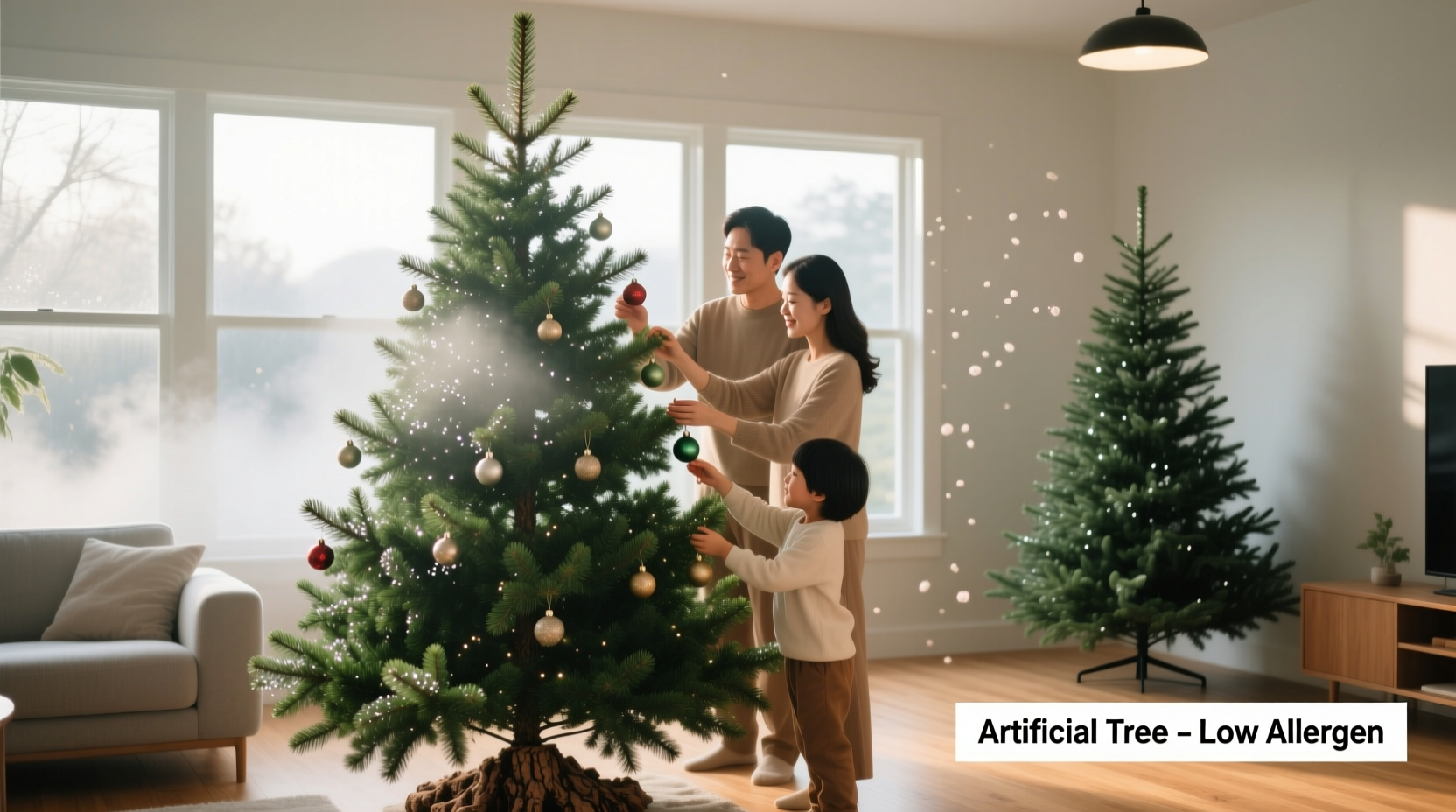
A freshly cut evergreen may seem like a purely natural addition to the living room, but it carries more than just festive cheer. Trees harvested from farms or forests spend months outdoors, exposed to rain, soil, and fluctuating temperatures—all ideal conditions for mold growth. Studies have shown that live Christmas trees can carry thousands of mold spores per cubic meter of air when brought indoors.
One notable study conducted by the State University of New York found that airborne mold counts in homes increased from under 500 spores per cubic meter to over 5,000 within two weeks of introducing a live tree. For individuals with allergic rhinitis or asthma, this spike can trigger sneezing, nasal congestion, itchy eyes, coughing, and even wheezing.
In addition to mold, live trees may carry traces of pollen—especially if they are brought inside shortly after being cut during late fall or early winter when certain evergreens still release microscopic particles. Resins and volatile organic compounds (VOCs) released by the tree’s sap can also irritate sensitive airways, contributing to headaches or respiratory discomfort in some individuals.
Hidden Risks of Artificial Christmas Trees
Artificial trees are often marketed as a hypoallergenic alternative, especially for families with known sensitivities. While they don’t produce pollen or support mold growth while in storage, their long-term use introduces different concerns. Most artificial trees are made from polyvinyl chloride (PVC), a synthetic plastic that can emit VOCs such as phthalates and lead stabilizers over time—particularly when unpacked after months in an attic or basement.
These chemical emissions may contribute to indoor air pollution, potentially aggravating asthma or causing throat irritation, especially in children and individuals with chemical sensitivities. Moreover, if the tree has been stored in a damp garage or cardboard box, it can accumulate dust mites, mold, and fungal spores over the years. A tree stored without a protective cover can become a reservoir for allergens that get dispersed into the air once assembled.
The longer an artificial tree is used, the more likely it is to degrade physically—cracking, chipping, or shedding microplastics—which can further compromise indoor air quality. Dust accumulation on branches is another major issue; even a year-old tree can collect enough particulate matter to affect sensitive individuals upon reassembly.
“Families with allergy-prone members should treat both live and artificial trees as potential allergen sources. Precautionary cleaning and ventilation are key regardless of the type chosen.” — Dr. Lena Patel, Board-Certified Allergist & Immunologist
Comparing Live vs. Artificial Trees: An Allergy-Focused Breakdown
| Allergen Factor | Live Tree | Artificial Tree |
|---|---|---|
| Mold Spores | High – naturally present in bark, needles, and soil residue | Low initially, but can grow if stored in damp areas |
| Pollen Exposure | Moderate – varies by species and harvest timing | Negligible |
| Dust Accumulation | Low – unless stored poorly before purchase | High – especially in crevices and folded branches |
| Chemical Off-Gassing | Minimal – natural VOCs from sap/resin | Moderate to High – especially in older PVC models |
| Long-Term Reusability | Single season | Years, but allergen load increases over time |
| Cleaning Feasibility | Can be rinsed pre-display | Requires wiping, vacuuming, and airing out |
Step-by-Step Guide to Minimizing Tree-Related Allergens
Whether you lean toward tradition or convenience, reducing allergen exposure starts before the tree even enters your home. Follow this timeline to prepare safely and maintain better indoor air quality throughout the season.
- Week Before Setup: Inspect your artificial tree and storage container. If using a live tree, plan to rinse it before entry.
- Day of Assembly (Artificial): Take the tree outside or into a garage. Use a damp microfiber cloth to wipe down each section. Vacuum branches with a soft brush attachment to remove embedded dust.
- Rinse (Live Tree): Hose down the tree thoroughly and let it dry completely in a covered outdoor area for several hours.
- Indoor Placement: Set up the tree away from HVAC vents to prevent allergen circulation. Choose a location with good airflow but minimal foot traffic.
- First 72 Hours: Monitor air quality. Consider running a HEPA air purifier nearby, especially in bedrooms or main living areas.
- Ongoing Maintenance: Vacuum around the base weekly. For live trees, keep water fresh to slow mold development in the stand.
- Takedown: Disassemble carefully. Wipe artificial parts again before storing in a sealed plastic tote. Dispose of live trees promptly after the holidays.
Real-World Scenario: Managing Allergies During the Holidays
Sarah Thompson, a 38-year-old teacher from Columbus, Ohio, has suffered from allergic asthma since childhood. Each December, her family faced a dilemma: how to enjoy a traditional Christmas without triggering her symptoms. In past years, bringing in a live tree led to persistent coughing and disrupted sleep within days.
After consulting her allergist, Sarah switched to an artificial tree and implemented a strict cleaning protocol. She now unpacks the tree in her garage, wipes every branch with a damp cloth, and runs an air purifier in the living room for the first week. She also replaced her older PVC tree with a newer model labeled “low-VOC” and stores it in an airtight container.
“The difference was immediate,” she said. “I didn’t wake up congested, and I could actually enjoy decorating without needing my inhaler. It took extra effort, but it was worth it for our family’s comfort.”
Actionable Checklist for Allergy-Safe Tree Selection
- ☑ Determine primary allergy triggers (mold, dust, chemicals)
- ☑ Choose a tree type that aligns with your sensitivity profile
- ☑ Clean live tree with water before bringing indoors
- ☑ Wipe down and vacuum artificial tree before assembly
- ☑ Store artificial tree in a sealed, dry container
- ☑ Place tree away from bedrooms and HVAC systems
- ☑ Use a HEPA air purifier near the tree during display
- ☑ Remove tree within two weeks to limit allergen buildup
- ☑ Wash hands after handling tree components
- ☑ Monitor symptoms daily and adjust environment as needed
Frequently Asked Questions
Can a live Christmas tree worsen asthma symptoms?
Yes. Live trees can introduce high levels of mold spores and organic debris into indoor air. These allergens can trigger bronchoconstriction, coughing, and shortness of breath in individuals with asthma. Homes with asthmatic members should consider pre-rinsing the tree and using air filtration during display.
Are artificial trees truly hypoallergenic?
Not necessarily. While they don’t produce pollen or mold during growth, artificial trees can accumulate dust, mold, and chemical residues over time. Poor storage increases allergen risk. To improve safety, clean the tree thoroughly before use and opt for low-VOC materials when purchasing new.
How long should I keep a Christmas tree up to minimize allergies?
Experts recommend displaying a live tree for no more than 7–10 days indoors. Mold levels increase significantly after the second week. Artificial trees can remain up longer, but should still be cleaned beforehand and monitored for dust accumulation.
Conclusion: Making the Right Choice for Your Health
The question of whether a live Christmas tree is better than an artificial one for allergy sufferers doesn’t have a one-size-fits-all answer. Both options carry distinct risks—and both can be managed with informed precautions. For those highly sensitive to mold, an artificial tree that’s meticulously cleaned and stored may offer fewer triggers. Conversely, someone reactive to synthetic chemicals might find greater comfort with a well-rinsed, short-term live tree.
Ultimately, the best choice depends on individual health profiles, household dynamics, and willingness to implement preventive measures. With proper preparation, monitoring, and care, it’s entirely possible to enjoy a beautiful, festive centerpiece without sacrificing respiratory wellness.




 浙公网安备
33010002000092号
浙公网安备
33010002000092号 浙B2-20120091-4
Comments
No comments yet. Why don't you start the discussion?