
Traveling demands efficiency, comfort, and security. One of the most overlooked yet impactful choices you make before departure is what kind of wallet to bring. Many travelers still carry overstuffed wallets packed with receipts, multiple credit cards, loyalty cards, and cash—but this habit can create unnecessary friction on the road. A minimalist wallet, by contrast, strips away the excess and focuses on essentials. But is it truly better for travel? The answer, backed by practical experience and expert insight, leans strongly toward yes.
A minimalist wallet isn’t just a fashion statement; it’s a functional upgrade. It reduces bulk, enhances security, improves organization, and aligns with the philosophy of intentional packing. Whether you're navigating crowded subway systems in Tokyo or hiking through rural markets in Morocco, the right wallet can subtly influence your entire travel experience.
The Problem with Bulky Wallets While Traveling
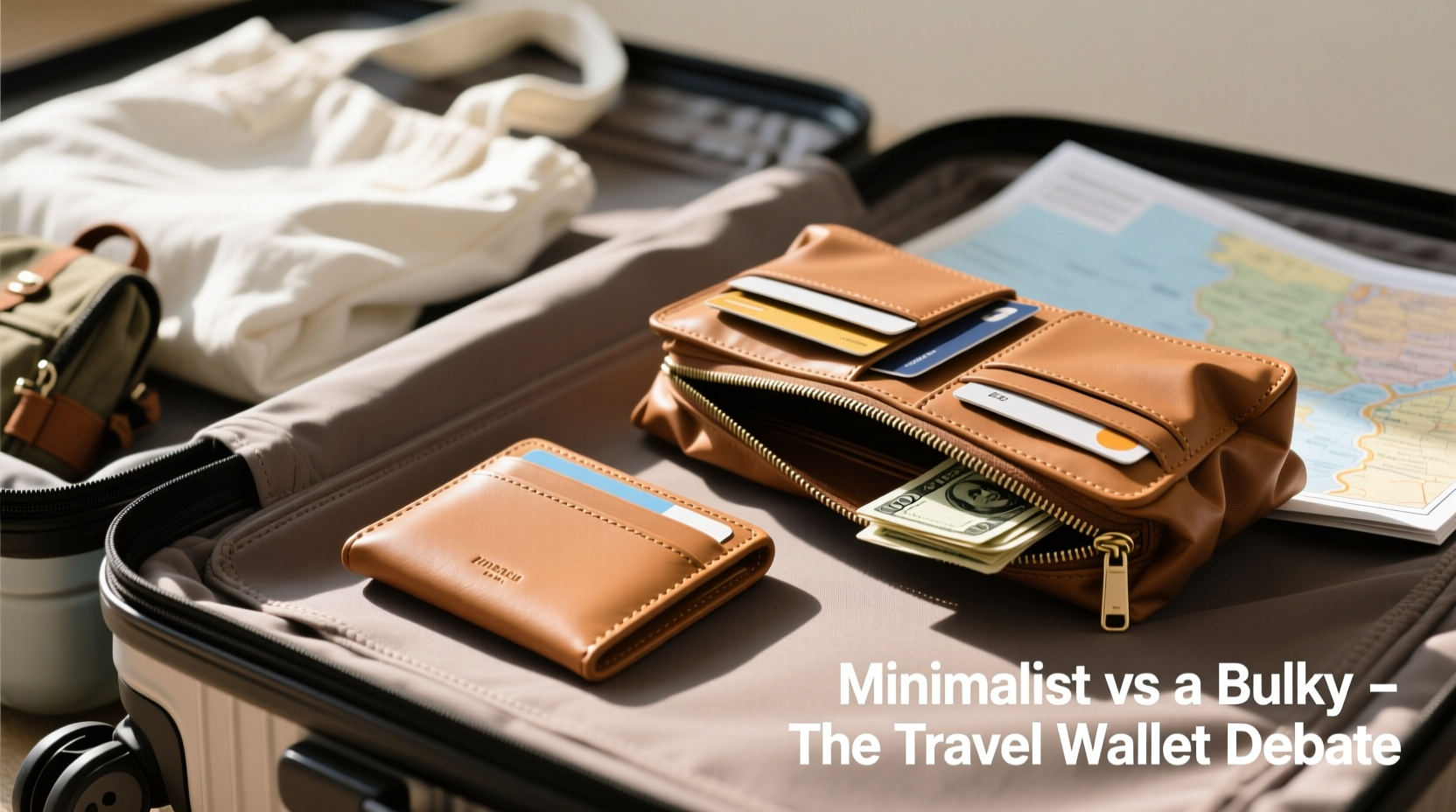
Bulky wallets are relics of a less mobile era. They were designed for desk drawers and stationary lifestyles—not for slipping into a back pocket while boarding a train or moving quickly through airport security. When traveling, every extra ounce counts, and every added item increases risk.
- Discomfort: Thick wallets cause back pocket bulges, leading to posture strain and discomfort during long walks or flights.
- Security risks: Large wallets are easier targets for pickpockets and harder to track when placed in bags or trays at checkpoints.
- Inefficiency: Fumbling through layers of cards and paper slows you down at ticket counters, cafes, or border crossings.
- Damage potential: Overstuffed wallets stress stitching and materials, increasing the likelihood of tearing or loss of contents.
Worse, many people carry duplicate cards “just in case,” forgetting that digital backups and emergency funds exist. This redundancy defeats the purpose of streamlined travel.
Benefits of a Minimalist Wallet for Travelers
Minimalist wallets typically hold 4–6 cards and some folded cash, prioritizing slimness, durability, and accessibility. Their advantages become especially apparent during international trips where agility and discretion matter.
Lightweight and Compact Design
Weighing as little as 1–2 ounces, minimalist wallets eliminate the drag of traditional bi-fold or trifold models. This reduction may seem minor, but over days of walking, standing, and sitting, it contributes to overall comfort. Slim profiles also fit easily into front pockets, reducing vulnerability to theft and eliminating the awkward sit of a thick wallet in your back pocket.
Improved Security
A smaller wallet is less conspicuous. It doesn’t create visible outlines under clothing, making it less appealing to opportunistic thieves. Many minimalist designs use RFID-blocking materials to protect against electronic skimming—a real concern in high-traffic tourist areas.
Easier Access and Organization
With only essential cards and cash, retrieval becomes faster and more intuitive. No more flipping through expired gift cards or gym memberships. You know exactly what’s inside and where it is. Some minimalist wallets feature quick-access slots for your most-used card, which speeds up transactions in fast-paced environments like airports or public transit stations.
Durability and Material Quality
Because minimalist wallets are built for function, they often use premium materials like aircraft-grade aluminum, titanium, or full-grain leather. These withstand daily wear better than mass-market vinyl wallets. Additionally, fewer moving parts (like zippers or multiple folds) mean fewer points of failure.
“Travelers who adopt minimalism in their gear—from backpacks to wallets—report higher confidence and lower stress. Simplicity removes decision fatigue.” — David Lin, Adventure Travel Consultant and Gear Analyst
Comparison: Minimalist vs. Bulky Wallets
| Feature | Minimalist Wallet | Bulky Wallet |
|---|---|---|
| Weight | 1–3 oz | 6–12 oz |
| Card Capacity | 4–8 cards | 10+ cards |
| Theft Risk | Low (front pocket, discreet) | High (back pocket, noticeable) |
| Durability | High (premium materials) | Variable (often lower quality) |
| Access Speed | Fast (organized layout) | Slow (digging through clutter) |
| Comfort | High (slim, no pressure) | Low (bulky, disruptive) |
Real-World Example: Sarah’s European Backpacking Trip
Sarah, a 29-year-old teacher from Portland, used to carry a thick leather wallet filled with eight credit cards, five membership cards, insurance documents, and assorted receipts. On her first solo trip across Europe, she realized how impractical it was. At a metro station in Paris, her wallet slipped out of her back pocket unnoticed until she needed it for a ticket. She lost access to her primary ID and two cards.
After replacing them, she switched to a minimalist aluminum wallet holding only her passport, one debit card, one backup credit card, local currency, and health insurance QR code printed on a card. The change transformed her experience. She felt lighter, more aware of her belongings, and never had another close call. By the end of her three-week journey, she said, “I didn’t miss a single thing I left behind.”
How to Transition to a Minimalist Travel Wallet
Switching doesn’t have to be abrupt. Follow this step-by-step guide to ensure a smooth transition without sacrificing preparedness.
- Inventory Your Current Wallet: Empty everything out. Lay each item on a table and categorize it: ID, payment, loyalty, keepsakes, expired items.
- Apply the 80/20 Rule: Identify which 20% of cards you use 80% of the time. Keep only those.
- Digitize What You Can: Use smartphone wallets (Apple Pay, Google Pay) for secondary cards. Store scanned copies of IDs and insurance in encrypted cloud storage.
- Select a Travel-Specific Wallet: Choose one with RFID protection, slim profile, and secure closure (e.g., magnetic or snap). Test it with your phone and passport sleeve to ensure compatibility.
- Create a Backup Plan: Leave a list of emergency contacts and card details with a trusted person. Carry a second small stash of cash in a separate location.
- Test Before You Go: Use your new wallet for a week at home. Refine based on usability and comfort.
Checklist: Preparing Your Minimalist Wallet for Travel
- ✅ Primary ID (driver’s license or national ID)
- ✅ One main credit/debit card (chip + contactless)
- ✅ One backup payment card (different bank/network)
- ✅ Local currency (small amount for immediate use)
- ✅ Emergency contact info (written or QR code)
- ✅ Health insurance card (or digital equivalent)
- ✅ Transit pass or frequent flyer card (if applicable)
- ✅ Hotel reservation QR code (optional, printed)
- ❌ Remove expired cards, receipts, and unused coupons
- ❌ Avoid carrying Social Security card or original passport
Frequently Asked Questions
Can a minimalist wallet hold enough for international travel?
Yes—most travelers only need two payment methods, ID, and local currency. Additional cards can be stored securely in your accommodation or accessed digitally via mobile wallets. Over-preparation often leads to clutter, not safety.
What if my minimalist wallet gets stolen?
The impact is lower because you’ve limited what’s inside. With only one or two cards, recovery is faster. Plus, digital payment backups and remote card freezing via banking apps minimize disruption. Always report theft immediately and contact your embassy if ID is lost.
Are minimalist wallets worth the higher price?
For frequent travelers, yes. High-end minimalist wallets range from $50–$120 but last years due to robust construction. Compare that to replacing a flimsy $20 wallet every 12–18 months. The long-term value and peace of mind justify the investment.
Final Thoughts: Less Is More When You’re on the Move
Choosing a minimalist wallet over a bulky one isn’t about deprivation—it’s about intentionality. It reflects a mindset shift from accumulation to optimization. In the context of travel, where unpredictability is constant, simplicity becomes a strategic advantage.
You move faster, stay safer, and feel more confident when your gear supports rather than hinders you. A minimalist wallet is a small object with an outsized impact. It eliminates friction, reduces anxiety, and quietly enhances your journey—one seamless transaction at a time.
As travelers, we seek freedom: freedom of movement, freedom from worry, freedom to engage fully with new places. Let your wallet reflect that goal. Strip away the unnecessary. Carry only what serves you. And discover how much lighter—and freer—you feel when you do.




 浙公网安备
33010002000092号
浙公网安备
33010002000092号 浙B2-20120091-4
Comments
No comments yet. Why don't you start the discussion?