
In an age where minimalist design meets smart functionality, household items are evolving beyond their original purpose. The humble tissue box is no exception. What was once a plain cardboard container now comes in sleek designs with built-in storage, charging ports, and even ambient lighting. But here’s the real question: does this added complexity deliver real value, or are we overpaying for novelty? For those trying to balance practicality with aesthetics, comparing a multi-function tissue box to a simple organizer isn’t just about looks—it’s about long-term utility, cost, and space efficiency.
The Rise of the Multi-Function Tissue Box
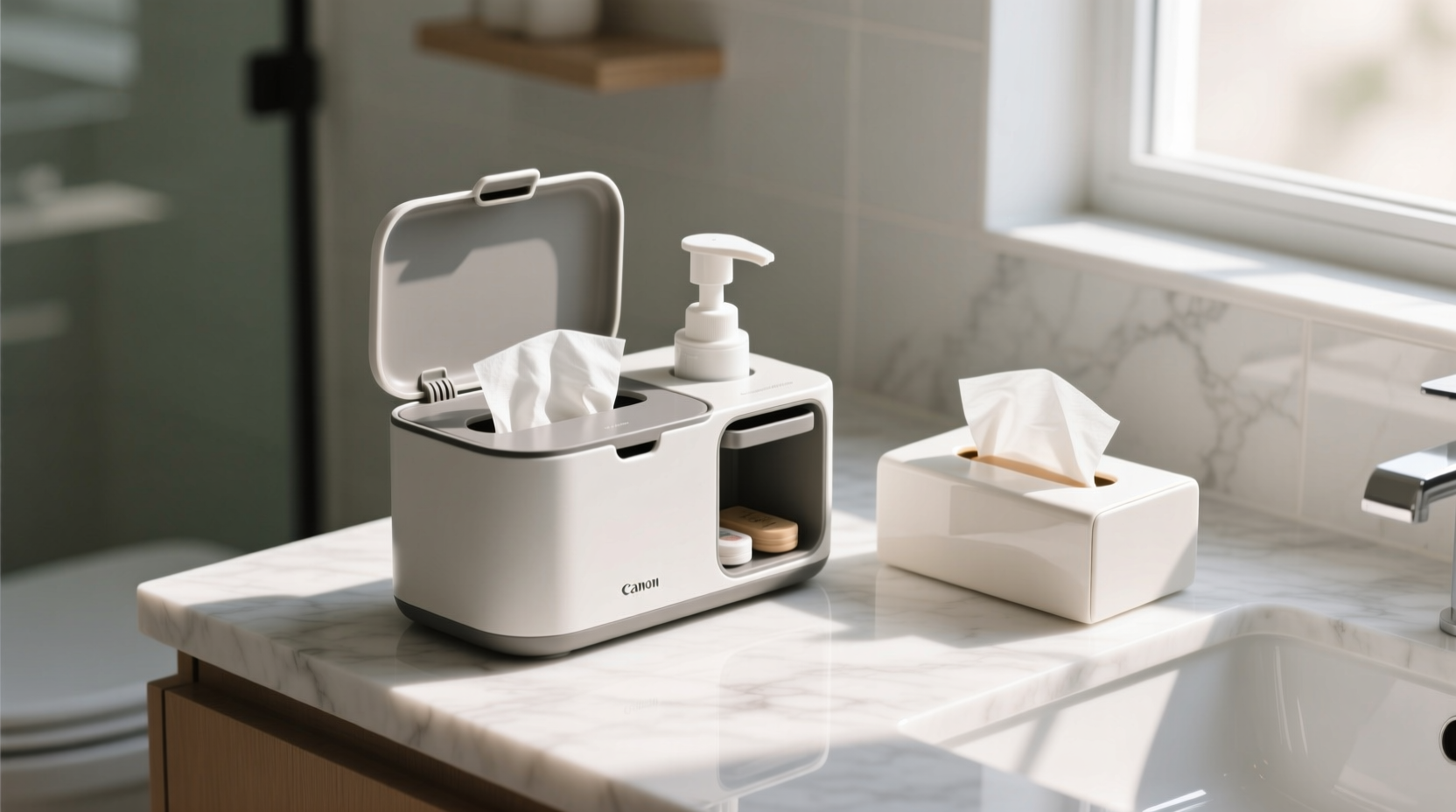
Gone are the days when a tissue dispenser was merely a way to store tissues neatly on a coffee table. Today’s multi-function tissue boxes often double as nightstands, entryway consoles, or decorative shelves. Many feature hidden compartments for remotes, glasses, or keys, some include USB charging stations, and others integrate LED lights for ambiance. These units are typically made from wood, metal, or high-grade plastic and are marketed toward modern homes seeking clutter-free elegance.
The appeal lies in consolidation. Instead of having separate organizers for tissues, remotes, and phones, a single unit promises to do it all. Manufacturers claim these products save space, reduce visual clutter, and enhance room functionality—especially in compact living areas like studio apartments or small bathrooms.
Breaking Down the Features: What You Actually Get
To assess whether these devices live up to the hype, let’s dissect their most common features and evaluate their real-world usefulness.
- Integrated Storage Compartments: Most multi-function boxes include drawers or cubbies for small items. While convenient, the space is often shallow and limited—ideal for TV remotes or reading glasses but not for larger electronics.
- Charging Ports: Built-in USB or wireless charging pads are a standout feature. However, they require access to a wall outlet, which limits placement options. If your living room side table isn’t near a power source, this feature becomes unusable.
- Lighting: Soft LED strips can create a cozy atmosphere. But unless the light is adjustable or dimmable, it may end up being more distracting than helpful.
- Design & Materials: These units often use premium finishes—wood veneer, matte metal, or tempered glass—that elevate room aesthetics. This alone can justify the higher price for design-conscious consumers.
“Multi-functional furniture works best when every component serves a daily need. If one feature goes unused, the product loses efficiency.” — Lena Patel, Interior Designer & Space Optimization Expert
Simple Organizers: The Underestimated Alternative
On the other end of the spectrum are simple tissue box covers or standalone organizers. These range from fabric sleeves that hide unsightly cardboard boxes to minimalist wooden frames that hold tissues while blending into home decor. They don’t offer extra features, but they solve the core problem: tidying up a tissue box.
Many users find that pairing a basic tissue cover with a nearby tray or small basket achieves the same organizational result as a multi-function unit—without the cost or dependency on electricity. For example, placing a bamboo tissue box on a console table alongside a ceramic dish for keys and a small dock for phone charging offers modularity and flexibility.
Additionally, simple organizers are easier to clean, replace, and move between rooms. They’re also significantly cheaper, typically costing between $10 and $25, compared to $50–$120 for advanced multi-function models.
When a Simple Organizer Is Just as Good (or Better)
There are specific scenarios where a basic solution outperforms its high-tech counterpart:
- You frequently rearrange furniture and need portable solutions.
- Your space has limited electrical outlets.
- You prefer a rotating decor style and want to swap out tissue holders seasonally.
- You already have sufficient storage elsewhere and only need to conceal the tissue box.
- Budget is a primary concern.
Feature Comparison: Multi-Function vs. Simple Organizer
| Feature | Multi-Function Tissue Box | Simple Organizer |
|---|---|---|
| Average Price | $50 – $120 | $10 – $25 |
| Storage Capacity | Moderate (integrated compartments) | Low (tissue-only or minimal add-ons) |
| Power Dependency | Yes (for charging/lighting) | No |
| Portability | Low (due to cords and weight) | High |
| Design Flexibility | Medium (fixed features) | High (easy to switch styles) |
| Lifespan | 3–5 years (electronics may fail) | 5+ years (no moving parts) |
| Ease of Cleaning | More complex (crevices, electronics) | Simple (wipe down or machine wash fabric) |
Real-Life Example: Two Homes, Two Choices
Consider two homeowners facing the same challenge: organizing a cluttered living room side table.
Sarah lives in a downtown studio apartment with limited square footage. She opts for a multi-function tissue box with a wireless charger, small drawer, and soft lighting. It replaces her old nightstand, consolidating three functions into one piece. Over six months, she uses the charger daily, stores her glasses in the drawer, and enjoys the ambient glow at night. For her, the investment pays off in saved space and streamlined design.
James, on the other hand, has a spacious family living room with ample side tables and storage. He buys a linen-covered tissue box and places it beside a decorative tray that holds remotes and coasters. His solution costs under $20 and allows him to change the look with the seasons. When his kids accidentally spill water on the cover, he tosses it in the wash. For James, simplicity wins—there’s no risk of damaging expensive electronics, and he retains full control over layout.
This contrast shows that the “best” option depends not on features alone, but on lifestyle, space, and usage patterns.
Step-by-Step: Choosing the Right Option for Your Home
Follow this decision-making process to determine which solution fits your needs:
- Assess Your Pain Points: Are you annoyed by loose tissues, tangled cords, or scattered remotes?
- Map Available Space: Measure the surface where the tissue box will go. Is there room for a larger unit? Is an outlet nearby?
- List Daily Needs: Do you charge your phone on the couch? Do you lose your glasses every evening?
- Set a Budget: Decide how much you’re willing to spend on a functional decor item.
- Test Alternatives: Try a simple organizer first. Live with it for two weeks before investing in a pricier model.
- Evaluate Long-Term Use: Will this still be useful in a year? Could any features become obsolete?
Frequently Asked Questions
Can I use any tissue box with a multi-function dispenser?
Most multi-function units are designed to fit standard-sized tissue boxes (approx. 4.5 x 4.5 x 5 inches). However, some brands require proprietary refills or have tight enclosures, so always check dimensions before purchasing.
Are multi-function tissue boxes durable?
Durability varies. Units made with solid wood or metal tend to last longer, while plastic models may crack over time. Electronic components like USB ports can fail after prolonged use, especially if exposed to dust or moisture.
Do simple organizers really reduce clutter?
Yes—when used strategically. A fabric or wooden cover hides the branded tissue box, creating a cleaner look. Pair it with a small tray for remote controls, and you achieve the same visual order as a high-end unit at a fraction of the cost.
Final Verdict: Is It Worth the Upgrade?
The answer hinges on your priorities. If you live in a small space, crave seamless tech integration, and value design cohesion, a multi-function tissue box can be a worthwhile investment. It reduces the number of items on your surfaces and adds convenience through charging and lighting.
However, if you already have adequate storage, prefer flexible decor, or want a low-maintenance solution, a simple organizer performs just as well for essential tissue concealment. In many cases, combining a basic tissue cover with existing trays or baskets delivers equal—or better—results without locking you into a single bulky unit.
Ultimately, functionality should drive form. Don’t buy a multi-feature product simply because it exists. Ask yourself: will I use every part of it daily? If the answer is no, simplicity might be the smarter, more sustainable choice.




 浙公网安备
33010002000092号
浙公网安备
33010002000092号 浙B2-20120091-4
Comments
No comments yet. Why don't you start the discussion?