
Hiking through unpredictable terrain demands adaptability, preparedness, and gear that performs under pressure. When trails shift from rocky ridges to overgrown forests, river crossings to emergency repairs, every ounce in your pack must justify its weight. Among compact tools, few spark as much debate as the humble multi tool. Is it just another gadget cluttering your pocket, or an indispensable ally when things go sideways on the trail?
The answer isn’t universal—but for most backcountry travelers facing variable conditions, a well-chosen multi tool isn’t just worth it; it’s often mission-critical. It bridges gaps between convenience and survival, offering capabilities far beyond what a pocketknife or standalone tool can provide.
Why Unpredictable Terrain Demands More Than Basic Gear
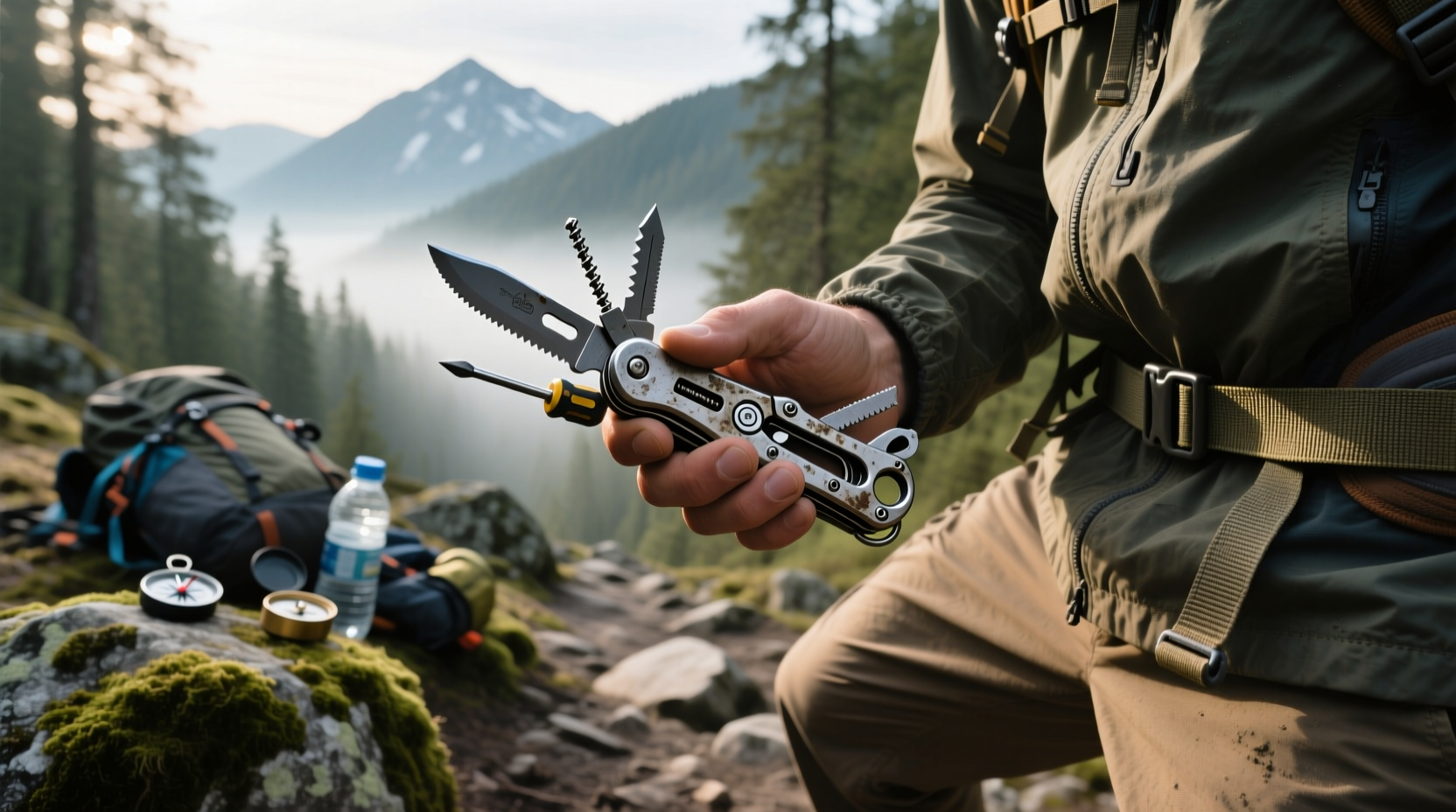
Unpredictable terrain doesn’t just mean rough footing. It includes sudden weather shifts, damaged equipment, wildlife encounters, navigation challenges, and remote locations where help is hours—or days—away. In such environments, minor issues can escalate quickly without the right tools.
Consider a snapped buckle on your backpack strap halfway through a 20-mile trek. Without a way to repair or improvise, you’re forced to carry an unstable load, risking injury. Or imagine needing to tighten loose screws on trekking poles after days of rugged use—something easily handled with a small Phillips head screwdriver. These are not hypotheticals; they’re common occurrences reported by long-distance hikers across forums like Backpacker Stack Exchange and the American Hiking Society.
A multi tool consolidates multiple functions into one lightweight device. Most models include pliers, wire cutters, knives, screwdrivers, bottle openers, and sometimes even saws or files. This versatility becomes invaluable when you can't predict what kind of fix you'll need next.
“On extended trips, especially off-trail, I’ve used my multi tool more times than I can count—for everything from adjusting gear to cutting paracord during an impromptu shelter build.” — Daniel Reyes, NOLS Wilderness Instructor
Key Features That Make a Multi Tool Essential for Hikers
Not all multi tools are created equal. For hiking applications, certain features matter more than others. The best ones balance functionality, durability, weight, and accessibility.
1. Pliers and Wire Cutters
Pliers offer mechanical advantage for gripping, bending, or pulling materials. They’re useful for removing ticks with precision, straightening bent metal parts, or securing makeshift repairs. Integrated wire cutters allow you to slice through fishing line, tripwires (in rare cases), or even light-gauge fencing if needed.
2. Knife Blades (Primary and Secondary)
A sharp blade is non-negotiable. Many multi tools include both a main blade and a smaller secondary one. Look for drop-point or clip-point blades made from stainless or high-carbon steel. Some models feature serrated edges, which excel at cutting fibrous materials like rope or dried vegetation.
3. Screwdrivers (Flathead and Phillips)
Trekking poles, GPS mounts, hydration systems, and even tent stakes often rely on small screws. Having both flathead and Phillips drivers ensures you can maintain or modify gear without carrying separate tools.
4. Bottle Opener and Can Opener
While seemingly trivial, these tools enhance comfort and safety. A can opener lets you access food sealed in tins—a common backup ration. A bottle opener reduces reliance on disposable pull tabs, preserving resources and minimizing waste.
5. Scissors and Files
Scissors are ideal for cutting tape, fabric, or medical gauze cleanly. Files help shape wood for fire-starting or smooth splinters from gear. Not all models include them, but their utility grows in prolonged or survival scenarios.
Comparing Popular Multi Tools for Hiking Applications
| Model | Weight (oz) | Tool Count | Key Features | Best For |
|---|---|---|---|---|
| Leatherman Wave+ | 8.5 | 17 | Replaceable wire cutters, outside-access blades, spring-assisted opening | Long-distance hikers needing reliability |
| Gerber Dime | 2.1 | 13 | Ultra-lightweight, includes ruler and file | Ultralight backpackers |
| Victorinox SwissTool Spirit RX | 7.5 | 23 | All-metal construction, fine-tip pliers, carbide glass breaker | Technical and alpine environments |
| Leatherman Micra | 2.1 | 14 | Nail file, tweezers, scissors, compact design | Day hikers and minimalists |
| SOG PowerPlier | 12.3 | 19 | Heavy-duty pliers, bolt-cutting capability, crush-resistant case | Rugged terrain and emergency response |
Each model serves different needs. The Gerber Dime excels in weight savings, making it popular among thru-hikers aiming to reduce base weight. Meanwhile, the SOG PowerPlier offers brute strength for expedition-style travel where extreme durability trumps portability.
Real-World Scenario: A Multi Tool Saves a Solo Trek
In 2022, solo hiker Maya Tran was traversing Oregon’s Elkhorn Mountains when a sudden storm washed out part of her intended route. Forced to reroute through dense forest, she encountered a downed power line blocking her path—likely from nearby infrastructure damaged by wind. Unable to safely pass, she used her Leathertool Wave+ to cut through a section of woven fencing adjacent to the trail, creating a temporary detour.
Later that evening, while setting up camp, her tent pole snapped at the joint. Using the multi tool’s pliers, she bent a piece of aluminum scrap into a stabilizing sleeve, securing it with cordage. “Without those pliers and the knife to cut the cord,” she later wrote in her trip journal, “I’d have spent the night exposed to rain and wind.”
This example illustrates how a single tool can address both navigation obstacles and emergency shelter repairs—two unrelated problems solved with one compact device.
When a Multi Tool Might Not Be Worth It
Despite its advantages, a multi tool isn’t always the optimal choice. There are specific situations where alternatives may serve better:
- Ultralight purists: If you're strictly optimizing for sub-10-pound base weight, every ounce counts. Some hikers replace a multi tool with a dedicated knife and a tiny screwdriver bit kit, saving 4–6 ounces.
- Short, well-maintained trails: On paved or groomed paths with frequent access points, emergencies are less likely. A phone and basic first aid may suffice.
- Cold weather limitations: Metal tools become dangerously cold in freezing conditions. Gloves can hinder dexterity, making small mechanisms difficult to operate.
Additionally, poor-quality multi tools can fail when needed most. Cheap hinges wear out, blades dull quickly, and screwdrivers strip screws instead of turning them. Investing in a reputable brand is crucial.
Step-by-Step Guide: Choosing and Maintaining Your Hiking Multi Tool
- Assess Your Typical Terrain: Are you hiking in remote wilderness or urban fringe trails? The more isolated and rugged, the greater the need for redundancy and repair capacity.
- Determine Weight Tolerance: Decide how much weight you’re willing to carry. If under 3 oz is critical, consider the Gerber Dime or Leatherman Micra.
- Prioritize Must-Have Tools: List the three functions you’ll use most (e.g., knife, pliers, screwdriver). Ensure your chosen model includes them—and that they’re full-sized and functional.
- Check Accessibility: Opt for models with external access to primary tools. You shouldn’t need to open the entire device just to use the knife.
- Maintain It Regularly: After each trip, clean the tool with a damp cloth, dry thoroughly, and apply a light coat of rust-inhibiting oil (like Tri-Flow) to hinges and blades.
- Carry It Safely: Use a belt pouch or secure pocket. Avoid loose storage in your pack where grit and moisture can damage moving parts.
Frequently Asked Questions
Can I bring a multi tool on a plane?
No—not in your carry-on. The TSA prohibits multi tools with knives or other cutting instruments in cabin baggage. However, you can pack it in checked luggage. Always verify current regulations before flying.
Are multi tools allowed in national parks?
Yes, multi tools are generally permitted in U.S. national parks and most international equivalents. However, local laws may restrict certain features (e.g., saws or lock blades) in protected areas. Check park-specific rules before entry.
How do I prevent corrosion in humid environments?
After exposure to moisture, wipe the tool dry immediately. Store it in a ziplock bag with a silica gel packet. Stainless steel resists rust better than carbon steel, but no metal is immune to prolonged dampness.
Final Checklist Before You Buy
- ✅ Does it include pliers and a reliable blade?
- ✅ Are screwdrivers included (Phillips + flathead)?
- ✅ Can I access key tools without unfolding the whole device?
- ✅ Is it made from corrosion-resistant materials?
- ✅ Does it feel comfortable in hand during extended use?
- ✅ Is it backed by a solid warranty (e.g., Leatherman’s 25-year guarantee)?
“The right multi tool isn’t about having every function—it’s about having the right ones when nothing else works.” — Sarah Lin, Search and Rescue Volunteer, Cascade Mountains
Conclusion: A Small Investment for Big Peace of Mind
For hikers venturing into unpredictable terrain, a quality multi tool is far more than a convenience—it’s a form of insurance. It empowers self-reliance, enables quick fixes, and in rare but critical moments, supports personal safety. While it won’t replace comprehensive preparation, it fills the gaps between planning and reality.
Whether you’re crossing swollen streams, repairing gear mid-ascent, or simply opening a stuck jar of peanut butter after a long day, the ability to adapt defines successful backcountry travel. A multi tool gives you that edge—one compact, durable, thoughtfully engineered tool at a time.




 浙公网安备
33010002000092号
浙公网安备
33010002000092号 浙B2-20120091-4
Comments
No comments yet. Why don't you start the discussion?