
In an era where desk jobs dominate and screen time continues to rise, poor posture has become a silent epidemic. Slouching over laptops, craning necks toward smartphones, and sitting for hours without movement have led to widespread complaints of back pain, shoulder tension, and chronic discomfort. Enter the posture corrector—a wearable device marketed as a quick fix for postural alignment. But does it actually help, or is it fostering dependency while masking deeper issues? Experts in physical therapy, orthopedics, and biomechanics are sounding off with nuanced perspectives that challenge the one-size-fits-all promise of these devices.
The Posture Corrector Phenomenon: What Are They?
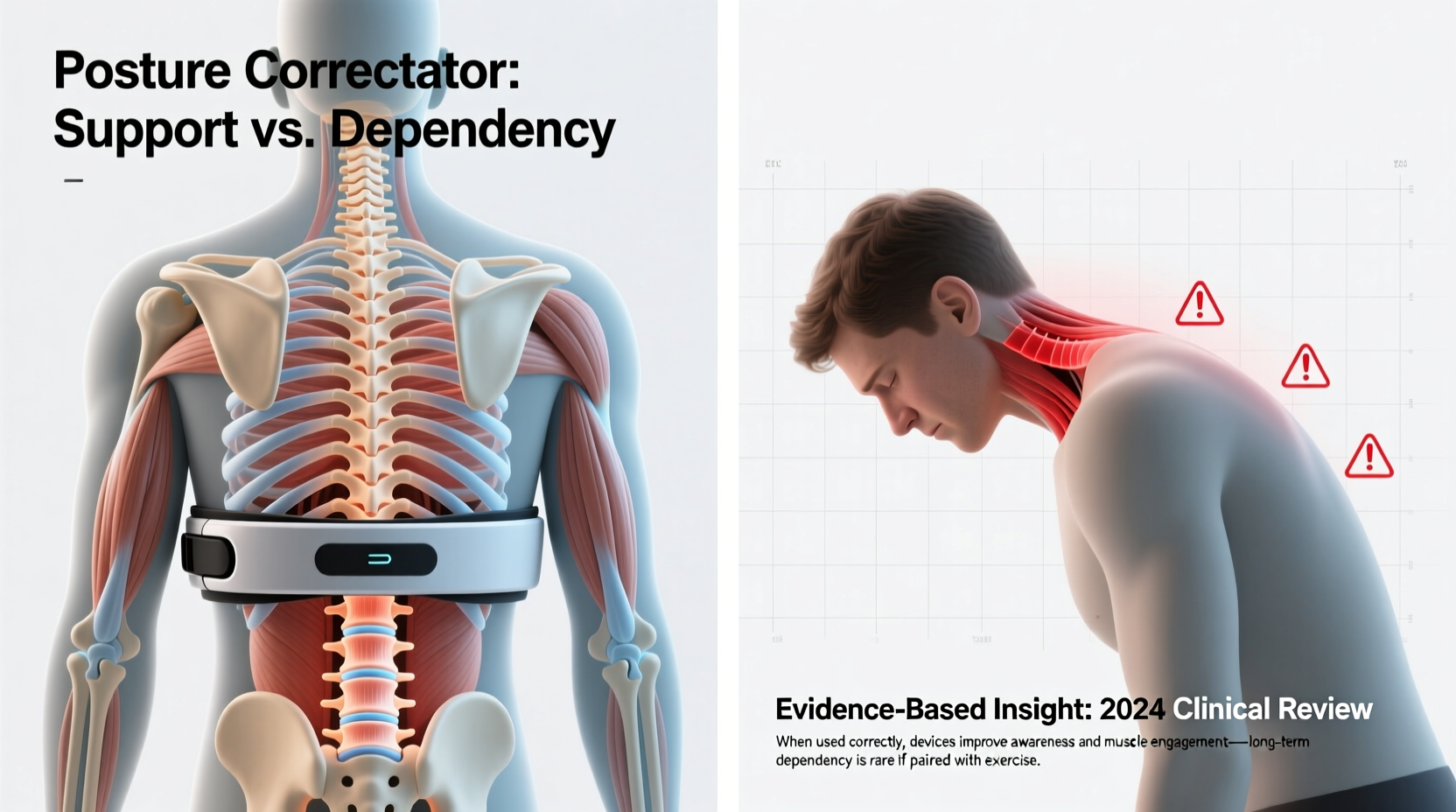
Posture correctors come in various forms—brace-like straps, vests, clip-on supports, and even smart wearables. Most work by pulling the shoulders back and aligning the spine into what’s considered a “neutral” position. The idea is simple: if you wear the device regularly, your body will learn to maintain proper posture naturally over time.
Manufacturers often claim their products can relieve back and neck pain, improve breathing, boost confidence, and even enhance athletic performance. With celebrity endorsements and aggressive online marketing, sales have surged. However, many health professionals caution against viewing these tools as standalone solutions.
“Wearing a posture corrector is like using training wheels on a bike. They can offer temporary support, but they don’t teach muscle control or body awareness.” — Dr. Lena Torres, Physical Therapist and Spine Health Specialist
The Science Behind Posture and Muscle Memory
To understand whether posture correctors are beneficial or harmful, it’s essential to grasp how posture is maintained biologically. Good posture isn’t achieved through rigid positioning—it’s the result of balanced muscular engagement, joint mobility, and neuromuscular coordination.
Your postural muscles, including the deep neck flexors, lower trapezius, rhomboids, and core stabilizers, function best when they’re actively engaged throughout the day. When these muscles weaken due to inactivity or prolonged sitting, the superficial muscles (like the upper traps and pectorals) take over, leading to forward head posture and rounded shoulders.
Posture correctors aim to counteract this imbalance by externally forcing the shoulders back. While this may temporarily improve appearance, research suggests that passive correction doesn’t translate into lasting change unless paired with active retraining.
Benefits vs. Risks: A Balanced View
Like any tool, posture correctors aren't inherently good or bad—they depend on how they're used. Here's a breakdown of potential benefits and risks based on clinical observations and studies.
| Benefits | Risks |
|---|---|
| Provides immediate feedback on slouching | Can lead to muscle atrophy if worn excessively |
| May reduce short-term discomfort from poor alignment | Over-reliance diminishes natural postural control |
| Useful as a sensory reminder during long workdays | Potential skin irritation or nerve compression from tight straps |
| Can aid in re-establishing body awareness (proprioception) | Masks underlying strength or mobility deficits |
A 2021 study published in the *Journal of Bodywork and Movement Therapies* found that participants who wore posture correctors for more than two hours daily showed no significant improvement in postural endurance after six weeks—unless they also performed targeted strengthening exercises. In contrast, those who combined brief use of a corrector (20–30 minutes) with daily scapular stabilization drills demonstrated measurable gains in posture and reduced pain.
When Posture Correctors Help—and When They Harm
Context matters. For some individuals, especially those recovering from injury or surgery, a posture corrector prescribed by a physical therapist can be part of a structured rehabilitation plan. In these cases, the device serves as a proprioceptive aid, helping patients relearn neutral alignment.
However, problems arise when people use them incorrectly:
- Wearing them all day, every day
- Using them instead of addressing root causes like weak core or tight chest muscles
- Ignoring pain or discomfort caused by improper fit
- Expecting automatic results without behavioral changes
Dr. Alan Pierce, an orthopedic specialist at the Cleveland Spine Institute, warns: “I’ve seen patients come in with increased shoulder pain after wearing cheap online braces for months. Their bodies adapted to being pulled back unnaturally, which created new imbalances.”
The risk of dependency is real. Just as relying on ankle braces indefinitely can weaken the peroneal muscles, constantly using a posture corrector can inhibit the very muscles needed for upright posture. Over time, this creates a cycle: poor posture leads to device use, which leads to weaker muscles, which worsens posture—requiring even more reliance on the device.
Mini Case Study: Sarah’s Experience
Sarah, a 34-year-old software developer, began experiencing neck stiffness and headaches after transitioning to remote work. She bought a popular posture corrector online and wore it for 6–8 hours daily. Initially, she felt relief and noticed her shoulders looked straighter in photos. But within three months, she developed sharp pain under her shoulder blades and found herself unable to sit comfortably without the brace.
After consulting a physical therapist, she learned her mid-back muscles had weakened from disuse. Her pecs were tight, and her lower trapezius was essentially “asleep.” The corrector wasn’t fixing anything—it was compensating. Under professional guidance, Sarah stopped full-time use, started daily mobility drills, and incorporated resistance bands into her routine. Within ten weeks, she could maintain good posture unaided and only used the device occasionally as a mindfulness check.
The Right Way to Use a Posture Corrector: A Step-by-Step Guide
If you choose to use a posture corrector, do so strategically. Follow this evidence-based approach to avoid dependency and build lasting improvements.
- Consult a professional first: See a physical therapist or certified trainer to assess your posture and identify specific weaknesses.
- Limit wear time: Start with 15–30 minutes per day, gradually increasing to no more than 2 hours. Never sleep or exercise in a corrector unless advised otherwise.
- Pair with corrective exercises: Perform rows, scapular retractions, chin tucks, and core activation drills daily.
- Use it as a cue, not a crutch: When the brace pulls your shoulders back, notice how your body feels. Try to replicate that alignment without the device.
- Monitor for discomfort: If you feel numbness, tingling, or increased pain, stop using it immediately.
- Gradually wean off: As your posture improves, reduce frequency until you no longer need it.
“The goal isn’t to wear a brace forever—it’s to make it obsolete.” — Dr. Lena Torres
Long-Term Solutions That Outperform Devices
True postural health comes from lifestyle changes, not gadgets. These strategies have stronger scientific backing and deliver sustainable results:
- Ergonomic workspace setup: Position your monitor at eye level, keep elbows at 90 degrees, and use a chair with lumbar support.
- Frequent movement breaks: Stand, stretch, or walk every 30–60 minutes to reset muscle tension.
- Strengthening key muscle groups: Focus on exercises that target the lower traps, serratus anterior, deep neck flexors, and transverse abdominis.
- Stretch tight areas: Regularly stretch the pectoralis minor, upper traps, and hip flexors, which commonly contribute to slouching.
- Practice mindful posture: Use apps or alarms to periodically check your alignment and engage your core.
Expert Checklist: Building Sustainable Posture Habits
Instead of depending on a device, follow this actionable checklist to develop natural, resilient posture:
- ✅ Assess Your Posture Weekly
- Take side-profile photos to track progress and identify changes.
- ✅ Perform Daily Strengthening Exercises
- Include band pull-aparts, wall angels, planks, and chin tucks in your routine.
- ✅ Optimize Your Workspace
- Ensure your screen is at eye level and your feet rest flat on the floor.
- ✅ Move Frequently
- Stand up every hour—even briefly—to reset spinal loading.
- ✅ Avoid Prolonged Static Positions
- Shift positions regularly; consider a standing desk or balance stool.
- ✅ Seek Professional Guidance if Pain Persists
- A physical therapist can design a personalized corrective program.
Frequently Asked Questions
Can posture correctors fix kyphosis or scoliosis?
No. While mild postural kyphosis (rounding of the upper back) may improve with behavior changes, structural conditions like Scheuermann’s kyphosis or scoliosis require medical evaluation and tailored treatment plans. Bracing for these conditions must be prescribed and monitored by a specialist—not purchased over-the-counter.
How long does it take to improve posture naturally?
Visible improvements can occur within 6–12 weeks with consistent effort. However, full neuromuscular re-education may take several months. Progress depends on frequency of exercise, ergonomic habits, and individual factors like age and prior injury history.
Are smart posture correctors better than traditional ones?
Some wearable tech devices provide vibration alerts when you slouch, offering real-time biofeedback. While potentially more effective than static braces, they still require user engagement. Without accompanying strength training and habit change, even smart devices offer limited long-term benefit.
Conclusion: Empowerment Over Dependency
Posture correctors aren’t inherently harmful—but they’re often misused. Relying on them as a permanent solution risks weakening the very muscles needed for healthy alignment. True postural improvement comes not from external force, but from internal strength, awareness, and consistent practice.
Think of a posture corrector not as a fix, but as a temporary mirror—one that reflects your current habits and reminds you to engage your body consciously. When paired with targeted exercise, ergonomic adjustments, and mindful movement, it can play a supportive role. But the ultimate goal should always be independence: standing tall not because a strap pulls you back, but because your body knows how to do it on its own.




 浙公网安备
33010002000092号
浙公网安备
33010002000092号 浙B2-20120091-4
Comments
No comments yet. Why don't you start the discussion?