
For collectors and fans of the Gundam universe, few things are as satisfying as adding a new model to the shelf. But with prices ranging from $20 to over $300, many wonder: Is buying an official Bandai Gundam kit truly worth it when cheaper bootlegs exist? The answer isn’t just about cost—it’s about craftsmanship, longevity, and respect for intellectual property. Understanding what separates a genuine Gunpla from a counterfeit reveals why authenticity matters far beyond brand loyalty.
The Anatomy of a Real vs. Fake Gundam Kit
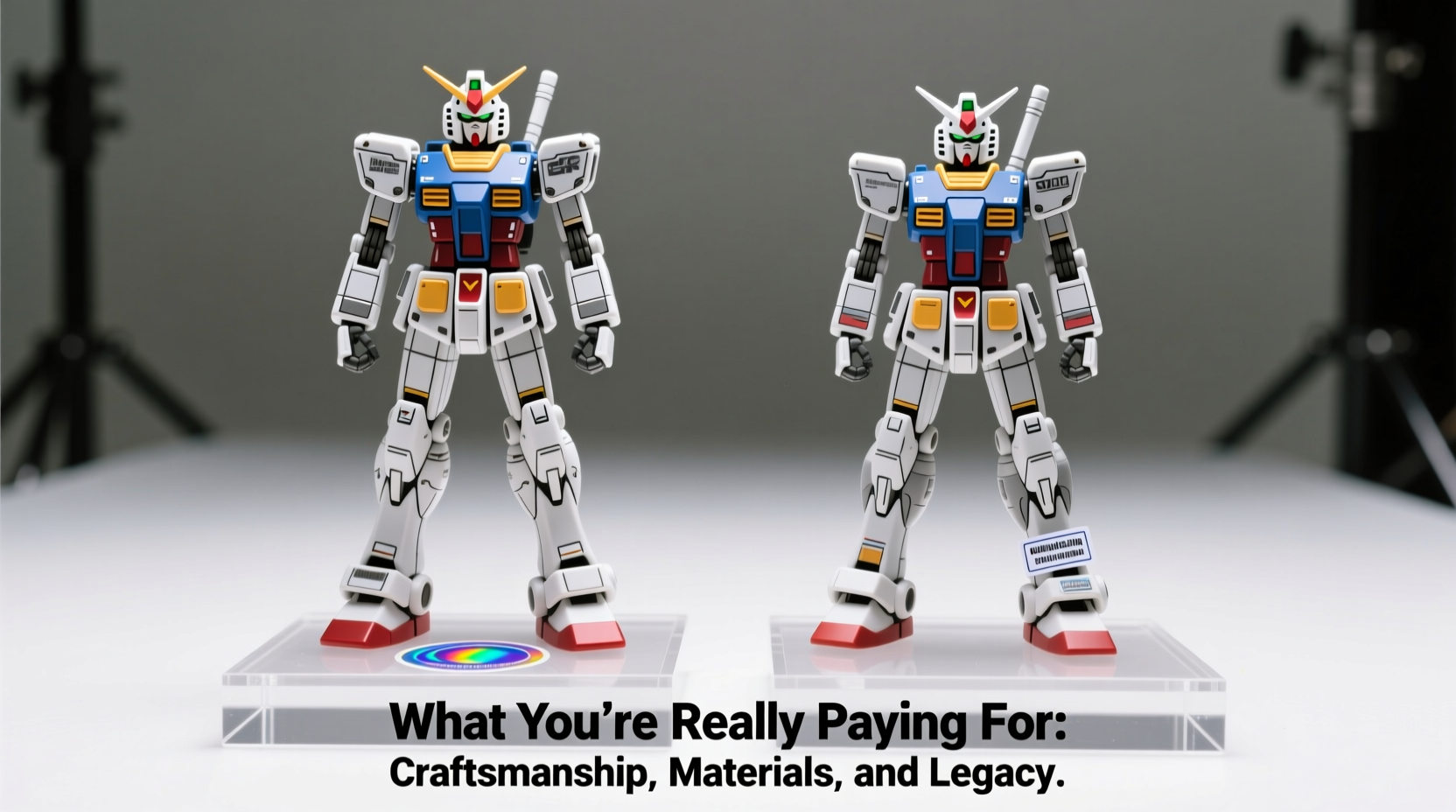
At first glance, some bootleg kits appear nearly identical to their official counterparts. They use similar colors, box art, and even mimic Bandai’s iconic runner design. However, closer inspection reveals critical differences in materials, fit, and engineering.
Genuine Gunpla (Gundam Plastic Models) are manufactured by Bandai Namco using proprietary plastic compounds that balance flexibility and rigidity. This allows parts to snap together securely without glue while minimizing stress marks during assembly. Bootlegs, on the other hand, often use lower-grade polystyrene or PVC, which can be brittle, overly soft, or prone to warping.
What You’re Actually Paying For
When you purchase an official High Grade (HG), Master Grade (MG), or Perfect Grade (PG) kit, you're not just buying plastic—you're investing in decades of research, precision engineering, and fan-centric design philosophy.
- Engineering Precision: Bandai uses advanced CAD modeling and injection molding techniques to ensure each joint moves smoothly and holds position.
- Design Fidelity: Official kits are supervised by Sunrise and Bandai Spirits to maintain canon accuracy in proportions, color separation, and detailing.
- Innovation: Features like inner skeletons, die-cast metal components, and LED lighting systems are exclusive to licensed releases.
- Sustainability: Bandai has invested in eco-friendly packaging and recyclable materials, reducing environmental impact.
“Gunpla is more than a toy—it’s a blend of art, engineering, and storytelling. Every snap-fit joint represents years of refinement.” — Tetsunori Kawana, Lead Designer at Bandai Spirits
Quality Comparison: Real vs. Bootleg (Detailed Breakdown)
| Feature | Official Bandai Kit | Bootleg Equivalent |
|---|---|---|
| Plastic Quality | High-grade ABS/PS blend; durable and flexible | Inconsistent resin; often brittle or oily |
| Runner Precision | Clean gates, minimal flash, easy part removal | Rough edges, excess mold lines, difficult cleanup |
| Color Separation | No painting needed; accurate multi-color molding | Poor color alignment; frequent need for paint |
| Articulation & Poseability | Smooth joints, strong holding power | Loose connections, sagging limbs |
| Box & Manual | Full-color box, multilingual instruction manual | Generic print, poorly translated or missing guide |
| Long-Term Durability | Resists yellowing and cracking for years | Prone to degradation within months |
A Collector’s Dilemma: A Real Example
Take Mark, a hobbyist from Toronto who bought a \"Perfect Grade\" RX-78-2 online for $85—a fraction of the retail price. Excited by the deal, he assembled it over a weekend. Immediately, he noticed issues: panels cracked during assembly, armor didn’t align properly, and the head wouldn’t stay upright. After two weeks on display, the blue chest piece began fading unevenly under room light.
He later learned the kit was a third-party reproduction from a Shenzhen-based manufacturer. Disappointed, he purchased the official PG version six months later for $320. The difference was staggering: crisp details, seamless articulation, and a satisfying click with every connection. “It felt like going from AM radio to high-fidelity sound,” he said. “The price gap made sense once I experienced both.”
Why Bootlegs Fall Short Beyond Just Quality
While bootlegs may seem like a budget-friendly option, they come with hidden costs. Many infringe on copyright laws, depriving creators and animators of rightful revenue. Bandai funds ongoing anime production, model R&D, and global tournaments through legitimate sales. Buying counterfeit products indirectly undermines the very ecosystem that produces new series and innovative kits.
Additionally, resale value plummets with bootlegs. Authentic Gunpla, especially limited editions or discontinued MG/PG models, appreciate over time. A sealed Master Grade Unicorn sold for over $1,200 at auction in 2023—something no bootleg could ever achieve.
How to Spot a Bootleg: A Quick Checklist
Before purchasing any kit, verify its legitimacy with this checklist:
- ✅ Box has a clear Bandai logo with holographic seal (on higher-end kits)
- ✅ Instruction manual includes multiple languages (Japanese, English, etc.)
- ✅ Runners are cleanly molded with no excessive flashing or sink marks
- ✅ Part numbers match those listed on Bandai’s official database
- ✅ Price seems too good to be true—especially for PG or RG kits
- ❌ Seller refuses to provide origin or lacks return policy
Step-by-Step: Building a Long-Term Collection Wisely
- Start with HG Kits: Affordable, widely available, and perfect for learning assembly basics.
- Invest in Tools: Nipper clippers, sanding sticks, and tweezers make a noticeable difference in finish.
- Buy from Trusted Sources: Stick to known vendors to avoid counterfeits.
- Join Communities: Forums like Gunpla.io or r/Gunpla offer advice, reviews, and warnings about fake listings.
- Upgrade Gradually: Move to MG or RG only after mastering simpler builds.
- Display with Care: Keep models out of direct sunlight and dust-covered areas to preserve condition.
Frequently Asked Questions
Are all non-Bandai kits considered bootlegs?
No. Some third-party companies like Kotobukiya or MegaHouse produce licensed mecha models. True bootlegs are unlicensed copies specifically designed to mimic Bandai’s Gunpla line without permission.
Can I paint or modify a bootleg to make it better?
You can improve appearance with paint and putty, but structural flaws—like weak joints or thin armor—cannot be fully corrected. Modifications require significantly more effort than starting with a genuine kit.
Do bootlegs support the anime industry?
No. Revenue from counterfeit products does not reach the studios, voice actors, or designers behind the Gundam franchise. Supporting official merchandise ensures continued production of new content.
The Value Beyond the Price Tag
Ultimately, choosing a real Gundam figurine over a bootleg isn’t just about avoiding disappointment—it’s about participation in a culture of craftsmanship and creativity. Each official kit reflects thousands of hours of design work, testing, and passion. When you build a Bandai Gunpla, you’re engaging with a legacy that spans over four decades of mechanical design evolution.
Moreover, the satisfaction of completing a well-engineered model—one that stands tall, poses dynamically, and withstands time—is incomparable. That confidence comes not from saving money upfront, but from knowing every component was made to last.
Final Thoughts: Make Your Build Count
If you're building for fun, display, or future collectibility, the official route is always worth it. Yes, bootlegs exist. Yes, they’re cheaper. But they compromise on durability, ethics, and the joy of creation. A genuine Gunpla kit rewards patience with precision, beauty, and pride of ownership.




 浙公网安备
33010002000092号
浙公网安备
33010002000092号 浙B2-20120091-4
Comments
No comments yet. Why don't you start the discussion?