
As smart home technology evolves, robot vacuums with mopping functions have become increasingly popular. Marketed as the ultimate solution for hands-free floor maintenance, these devices promise to vacuum and mop your floors without lifting a finger. But do they actually deliver on that promise? For many homeowners, the decision between investing in a hybrid robot cleaner versus sticking with traditional sweeping and mopping methods comes down to performance, convenience, and long-term value. This article dives into real-world effectiveness, compares key capabilities, and helps you determine whether a robot vacuum with mopping is worth it—or if you're better off with a bucket and cloth.
How Robot Vacuums with Mopping Work
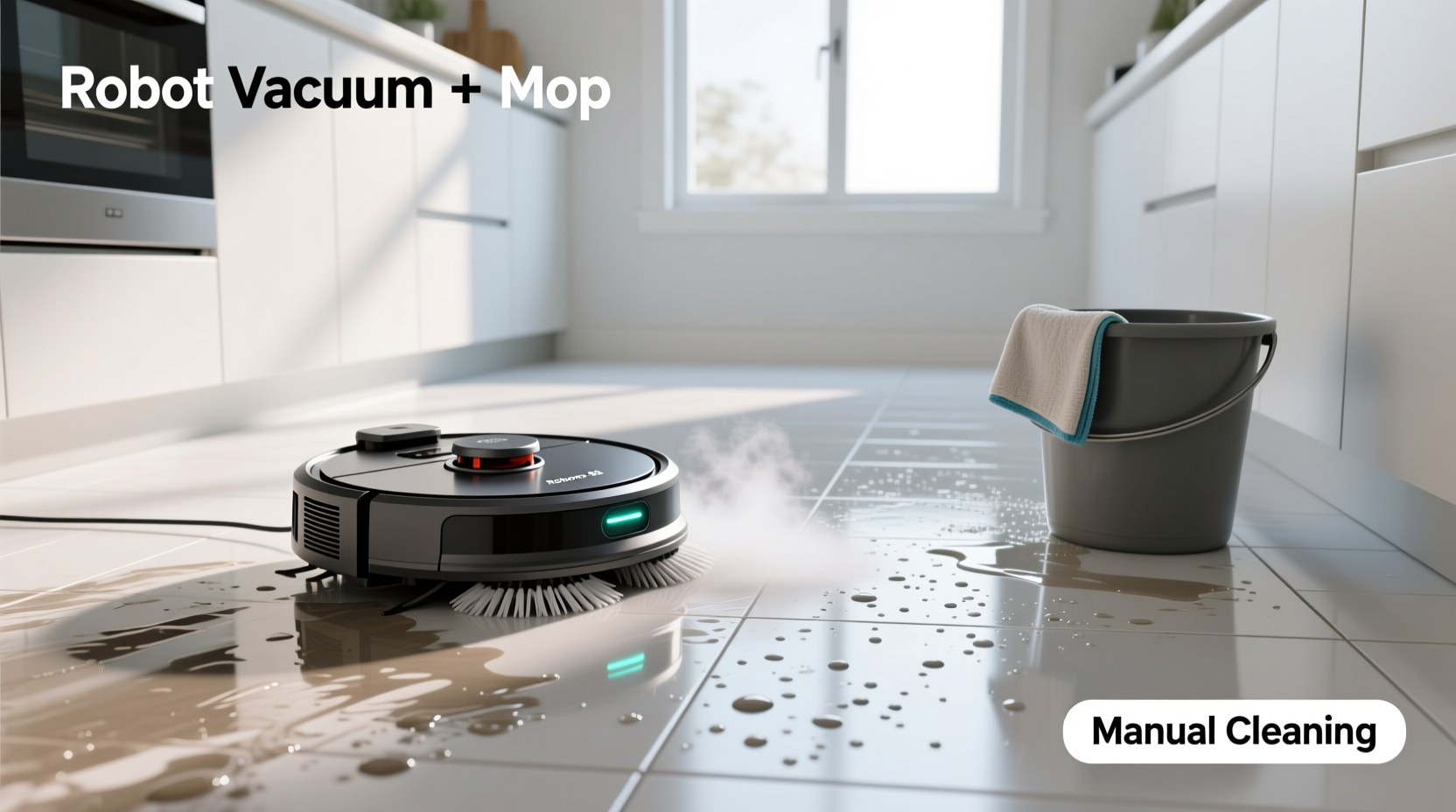
Most robot vacuums equipped with mopping features use a water reservoir and a microfiber pad attached to the bottom of the unit. As the robot moves across hard flooring—such as tile, hardwood, or laminate—it releases a controlled amount of water or cleaning solution to dampen the surface while scrubbing lightly with the pad. Some advanced models include vibrating or rotating mop pads to simulate scrubbing action, while others offer adjustable water flow settings to prevent over-wetting delicate surfaces.
These robots typically follow one of two mopping approaches:
- Premop Vacuuming: The robot first vacuums the floor to remove loose debris before switching to mopping mode.
- Simultaneous Vacuum and Mop: A few high-end models attempt both tasks at once using dual chambers and separated cleaning zones.
Despite technological advancements, limitations remain. Most robot mops lack the pressure and precision of human scrubbing. They also struggle with heavily soiled areas, dried spills, or grout lines in tiled floors. Their effectiveness is highly dependent on floor type, maintenance frequency, and the level of mess being addressed.
Performance Comparison: Robot vs. Manual Cleaning
To assess real-world performance, consider how each method handles common household cleaning challenges. The table below outlines key differences:
| Factor | Robot Vacuum + Mop | Manual Cleaning (Broom, Vacuum, Mop) |
|---|---|---|
| Cleaning Coverage | Good on open spaces; may miss corners, edges, and under furniture | Full control allows access to tight spots and detailed areas |
| Dirt Removal (Dry) | Effective for daily dust and light debris | Superior suction (especially upright vacuums) removes embedded particles |
| Stain & Spill Handling | Limited; only effective on fresh, light stains | High; targeted scrubbing removes dried spills and sticky residues |
| Grout & Texture Cleaning | Poor; flat pads can't reach into textured or uneven surfaces | Excellent; brushes and elbow grease tackle deep dirt in grout |
| Time Investment | Nearly zero during operation; setup and maintenance required | 30–60 minutes per room, depending on size and mess level |
| Water Control | Automated but inconsistent; some models oversaturate floors | Precise; user controls moisture levels and dwell time |
The data shows that while robot mops excel in convenience and routine upkeep, they fall short when deep cleaning is needed. Manual methods remain unmatched in thoroughness, especially for kitchens, bathrooms, and entryways where spills and tracked-in dirt accumulate.
When a Robot Mop Makes Sense
Not every home needs a deep scrub every day. For many households, maintaining cleanliness between deeper cleanings is the real challenge. This is where robot vacuums with mopping shine.
They are most effective in homes with:
- Primarily hard flooring (wood, tile, vinyl)
- Low to moderate foot traffic
- Few pets or minimal shedding
- Consistent but light messes (dust, crumbs, sand)
In such environments, a robot mop used every 1–3 days can significantly reduce visible dust and maintain a fresh appearance. It prevents buildup that would otherwise require more labor-intensive cleaning later. Over time, this consistent maintenance extends the life of flooring by minimizing abrasive particles that scratch surfaces.
“Daily light mopping with a robot system can reduce long-term wear on hardwood floors by up to 30% compared to weekly deep cleans alone.” — Dr. Lena Torres, Indoor Environmental Scientist, Clean Living Institute
Real-World Case: The Martinez Family’s Experience
The Martinez family lives in a 1,500-square-foot condo with two adults, a toddler, and a golden retriever. Their kitchen and living area feature light oak hardwood floors, which showed scratches and scuff marks within months of moving in. Initially skeptical, they purchased a mid-range robot vacuum-mop combo after reading online reviews.
They programmed it to run every evening at 8 PM, after dinner cleanup. Within two weeks, they noticed fewer tracked-in paw prints and less dust accumulation. However, after a spilled grape juice incident in the kitchen, the robot failed to remove the stain despite multiple passes. They had to manually scrub the area with a vinegar-water solution.
Over six months, they adjusted their expectations. Now, they use the robot for daily maintenance and reserve manual mopping for weekends or after major spills. The result? Floors stay cleaner overall, and deep cleaning sessions take half as long. “It’s not replacing our mop,” says Maria Martinez, “but it’s definitely reducing how often we need it.”
Limitations and Common Pitfalls
Despite their appeal, robot mops come with notable drawbacks that affect their reliability:
- Over-wetting risks: Poorly calibrated water flow can leave puddles, warp wood, or promote mold under cabinets.
- Mop pad hygiene: Used pads left damp in storage develop mildew and spread bacteria if not cleaned regularly.
- Navigation issues: Robots may skip rooms, get stuck, or avoid dark rugs that sensors misread as drop-offs.
- No edge cleaning: Most mop pads don’t extend to the sides, leaving baseboards and corners untouched.
Additionally, these devices are ineffective on carpets. Attempting to mop over carpeted areas can damage both the floor and the machine. Users must either set virtual boundaries or physically block off non-hard-surface zones.
Step-by-Step Guide to Maximizing Your Robot Mop’s Effectiveness
If you decide to go the robot route, follow this sequence to get the best results without frustration:
- Clear the Floor: Pick up toys, cords, and small objects that could obstruct movement or get tangled.
- Vacuum First (if not automatic): Run a dry vacuum pass before mopping to prevent spreading wet sludge.
- Check Water Levels: Fill the reservoir according to floor size—too much causes drips, too little reduces effectiveness.
- Attach Fresh Mop Pad: Use a clean, slightly dampened microfiber pad; never reuse a dirty one.
- Set Zones and Schedules: Designate moppable areas and schedule runs during low-traffic times.
- Monitor First Few Runs: Watch how the robot navigates and adjust barriers or maps as needed.
- Clean After Each Use: Empty the dustbin, rinse the mop pad, and wipe the rollers and sensors.
- Deep Clean Monthly: Manually mop every 4–6 weeks to remove residue and sanitize the floor.
This routine ensures optimal performance and prolongs the lifespan of both the device and your flooring.
Checklist: Is a Robot Mop Right for You?
Answer the following to determine if a robot vacuum with mopping fits your lifestyle:
- ☑ Do you have mostly hard-surface flooring?
- ☑ Are you willing to perform weekly maintenance on the device?
- ☑ Do you value time savings over absolute cleaning perfection?
- ☑ Do you already vacuum frequently and want to add light mopping?
- ☑ Can you commit to manual deep cleaning every few weeks?
- ☐ Do you have pets that track in mud or have frequent accidents?
- ☐ Do you live in a home with lots of clutter or complex layouts?
If most checked boxes are positive, a robot mop can be a valuable addition. If the last two dominate, you may find it more frustrating than helpful.
Frequently Asked Questions
Can robot mops clean sticky spills like syrup or pet accidents?
Generally, no. While some models handle light spills if caught early, thick or sticky substances require immediate manual attention. Robot mops lack the scrubbing power and targeted application needed for such messes.
Do I still need to mop manually if I own a robot mop?
Yes. Experts recommend manual mopping every 2–4 weeks to sanitize, remove built-up residue, and address areas robots miss. Think of the robot as a maintenance tool, not a replacement.
Are self-cleaning robot mops worth the extra cost?
For users seeking maximum convenience, yes. Self-cleaning models automatically wash and dry mop pads via a docking station, reducing hands-on maintenance. However, they cost significantly more (often $800+) and still require occasional manual checks and filter cleaning.
Final Verdict: Convenience vs. Completeness
A robot vacuum with mopping is effective—not as a standalone solution, but as part of a balanced cleaning strategy. It excels at maintaining cleanliness between deeper cleanings, reducing daily effort, and preventing dust buildup. However, it cannot replicate the thoroughness of manual scrubbing, especially on tough stains, textured surfaces, or high-traffic zones.
The ideal approach combines both methods: use the robot for consistent, light cleaning and reserve traditional mopping for weekly or biweekly deep maintenance. This hybrid model saves time without sacrificing results.
Technology continues to improve. Future models may offer stronger scrubbing mechanisms, AI-driven stain detection, and smarter water distribution. For now, though, the robot mop is a helpful assistant—not a replacement—for conscientious homeowners.




 浙公网安备
33010002000092号
浙公网安备
33010002000092号 浙B2-20120091-4
Comments
No comments yet. Why don't you start the discussion?