
For indoor gardeners, especially those growing tall or top-heavy plants like fiddle leaf figs, citrus trees, or olive trees, finding consistent light can be a constant challenge. Most homes don’t offer 360-degree natural sunlight, which means plants often stretch, lean, or develop uneven foliage. Enter the rotating tree stand—a motorized base designed to slowly turn your potted tree, theoretically ensuring all sides receive equal exposure. But is this gadget a game-changer for plant health, or just an expensive, noisy gimmick? The answer depends on your space, plant type, and tolerance for subtle mechanical hum.
Rotating stands have gained popularity in recent years, marketed as the “set it and forget it” solution to uneven growth. Yet, many seasoned plant owners remain skeptical. Some swear by them; others say they’re more trouble than they’re worth. To cut through the noise, we’ve analyzed real-world performance, plant response data, user experiences, and expert horticultural principles to deliver a clear verdict.
The Science Behind Light Distribution and Plant Growth
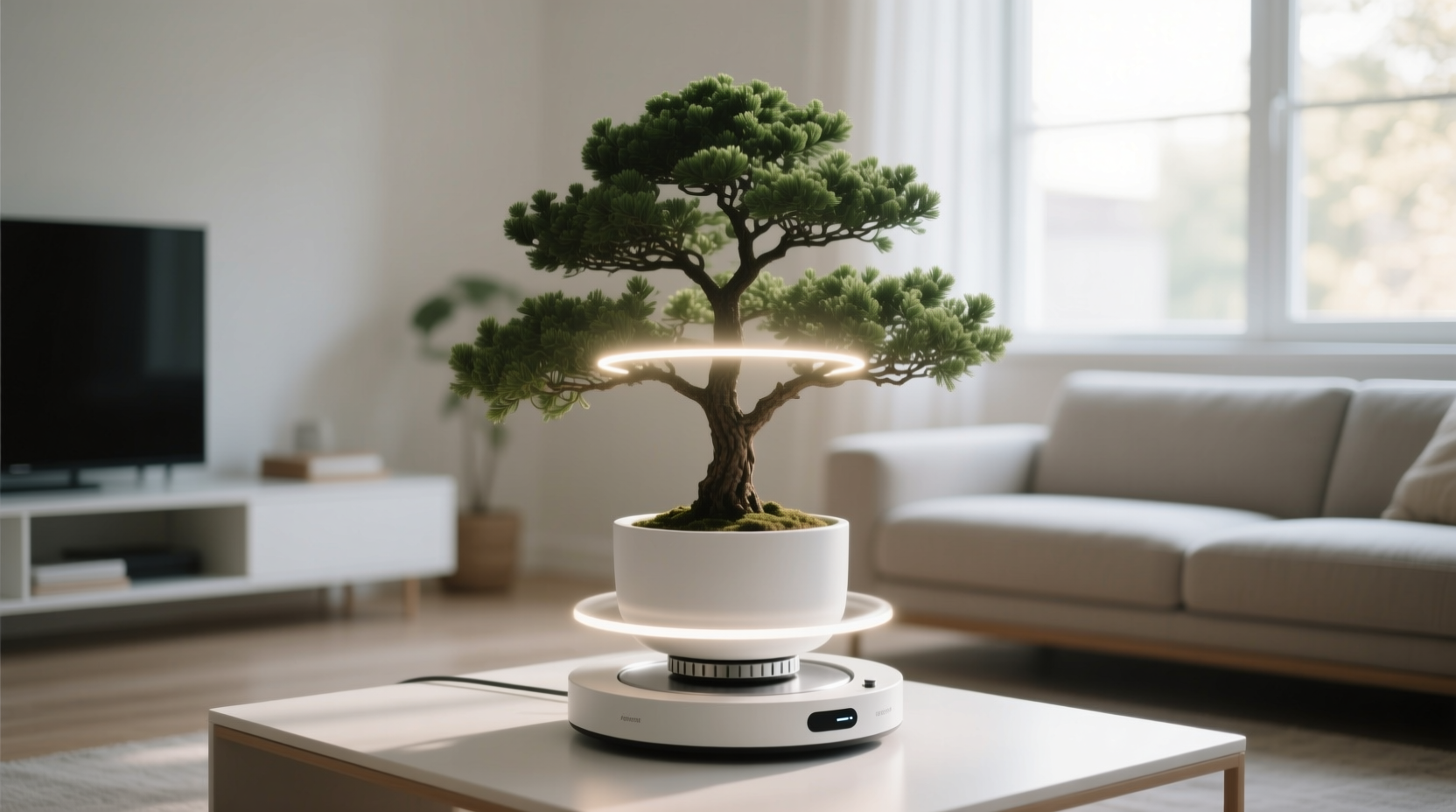
Plants grow toward light—a phenomenon known as phototropism. When light comes from a single direction (like a south-facing window), the side of the plant facing the light receives more energy, encouraging denser foliage and stronger growth. Meanwhile, the shaded side may become leggy, sparse, or discolored. Over time, this leads to asymmetry, weakened structure, and reduced aesthetic appeal.
In nature, trees are exposed to shifting sunlight throughout the day and across seasons. Indoors, that variability is lost. Rotating stands attempt to replicate this natural cycle by turning the plant incrementally—typically 360 degrees over 12 to 24 hours. The goal is to balance photosynthetic activity across all sides of the canopy.
However, not all plants respond the same way. Fast-growing, sun-loving species with broad leaves benefit most from even exposure. Slow-growing or shade-tolerant plants may show minimal improvement. The key lies in understanding your plant’s biology before investing in automation.
“Rotation isn’t about maximizing growth—it’s about promoting symmetry and structural integrity.” — Dr. Lena Tran, Urban Horticulturist at Green Canopy Institute
Pros and Cons: Is the Rotation Worth It?
Before deciding whether a rotating tree stand is right for your setup, weigh the tangible advantages against the potential downsides.
| Advantages | Drawbacks |
|---|---|
|
|
The biggest advantage—hands-off rotation—is also its greatest limitation. While eliminating the need to manually spin your plant every few days sounds ideal, some users report that the mechanical motion feels unnatural. Plants evolved with gradual environmental shifts, not constant, machine-driven turns. A poorly calibrated rotation speed (too fast or too slow) can confuse growth patterns rather than help them.
Who Actually Benefits From a Rotating Stand?
Not every indoor gardener needs a rotating base. The value depends heavily on three factors: plant size, light access, and lifestyle.
- Large specimen trees (over 5 feet tall) that are hard to rotate manually gain the most benefit. Moving a 7-foot fiddle leaf fig weekly is impractical and risks root disturbance.
- Single-window rooms where light enters from only one direction create strong directional bias. Rotation helps counteract this imbalance.
- Busy homeowners who travel frequently or forget routine care tasks may appreciate automation.
Conversely, if you have multiple light sources, use grow lights strategically, or enjoy hands-on plant care, a rotating stand may add little value. Manual rotation takes less than a minute per week and keeps you engaged with your plants’ progress.
Real-World Case: The Brooklyn Brownstone Dilemma
Consider Maria, a plant enthusiast living in a narrow brownstone with a single eastern-facing bay window. She owns a 6-foot rubber tree that had grown aggressively toward the morning sun, creating a pronounced lean and bare backside. After six months of manually rotating the pot every Sunday, she noticed inconsistent results—sometimes forgetting, other times over-rotating out of guilt.
She invested in a mid-range rotating stand with a 24-hour cycle. Within eight weeks, new growth emerged more symmetrically. The trunk straightened slightly, and lateral branching improved. However, she noted a faint humming sound at night, barely audible but noticeable in silence. Her cat also avoided the area initially, likely due to vibration.
Maria concluded the stand was “worth it” for her specific constraints—but acknowledged it wouldn’t suit everyone. For her, the trade-off between minor noise and consistent plant health was acceptable.
Alternatives to Motorized Rotation
Before committing to a rotating stand, explore simpler, quieter, and often more effective alternatives.
- Manual rotation schedule: Turn your plant 90 degrees every 7–10 days. Use a calendar reminder or pair it with another habit (e.g., watering day).
- Strategic grow lighting: Supplement natural light with full-spectrum LED panels placed opposite the window to balance exposure.
- Reflective surfaces: Place white boards, mirrors, or aluminum foil behind the plant to bounce light onto shaded areas.
- Pruning and training: Encourage fuller growth on weak sides by pinching back dominant shoots and using stakes for support.
- Relocation during peak seasons: Move plants closer to windows in winter, or into brighter rooms seasonally.
These methods require more attention but foster deeper plant awareness. They’re also free or low-cost, making them ideal for beginners or budget-conscious growers.
Step-by-Step: Evaluating Whether You Need a Rotating Stand
Follow this practical timeline to determine if a rotating stand makes sense for your situation.
- Week 1–2: Assess current conditions
Observe your tree’s growth pattern. Note any leaning, sparse branching, or leaf drop on one side. Take photos from multiple angles. - Week 3–4: Implement manual rotation
Rotate the pot 90 degrees weekly. Track changes in growth direction and foliage density. Keep a simple journal or notes in your phone. - Week 5–6: Introduce supplemental strategies
Add a reflector board or small grow light opposite the main light source. Monitor improvements in shadowed areas. - Week 7–8: Evaluate results
If growth remains uneven despite effort, and the plant is large or difficult to move, consider a rotating stand. If improvement is visible, continue with low-tech solutions. - Decision Point: Test before buying (if possible)
Rent, borrow, or trial a friend’s unit for a week to assess noise, vibration, and visual impact before purchasing.
This method prevents impulse buys and ensures you’re solving an actual problem—not just chasing convenience.
Frequently Asked Questions
Do rotating tree stands damage roots?
No, when used correctly, rotating stands do not harm roots. The rotation is slow and smooth, causing no internal disturbance. However, sudden starts/stops or wobbling due to imbalance could stress the root ball. Ensure the stand is level and properly weighted.
Can I use a rotating stand with a self-watering pot?
Yes, but check compatibility. Some self-watering systems have external reservoirs or wicks that may interfere with the rotating mechanism. Opt for center-fed or integrated designs. Also, ensure the total weight (pot + soil + water) stays within the stand’s rated capacity.
Are there quiet rotating stands available?
Yes. Higher-end models use brushless motors and precision gears to minimize noise. Look for units advertising “whisper-quiet” operation or sound levels below 30 dB. Reading verified customer reviews focused on noise is essential before purchase.
Checklist: Choosing the Right Rotating Stand
If you decide to buy, use this checklist to avoid common pitfalls:
- ✅ Weight capacity exceeds your fully loaded pot by at least 20%
- ✅ Rotation speed is adjustable (ideally 12–24 hour cycle)
- ✅ Motor is rated for continuous, long-term use
- ✅ Base has non-slip padding or locking feature when off
- ✅ Power option suits your space (corded vs. battery with auto-shutoff)
- ✅ Low noise rating (<35 dB) if used in bedrooms or quiet areas
- ✅ Warranty of at least 1 year for motor and frame
Avoid ultra-cheap models from unknown brands—they often fail within months and lack safety certifications.
Final Verdict: Worth It or Overkill?
A rotating tree stand is neither universally essential nor universally useless. It occupies a niche: valuable for specific scenarios, superfluous in others.
It’s worth it if:
- You own a large, mature indoor tree in a low-light-access room
- Manual rotation is physically difficult or consistently forgotten
- You’ve already tried reflectors and supplemental lighting without success
- You’re willing to accept minor mechanical noise for long-term symmetry
It’s overkill if:
- Your plants receive balanced light from multiple directions
- You enjoy hands-on care and regular interaction with your plants
- You’re sensitive to background noise or live in a very quiet space
- You’re working with small to medium-sized plants easily rotated by hand
The truth is, most plant problems stem not from lack of rotation, but from inadequate total light. No amount of spinning will fix a plant starved for photons. Prioritize light quality and duration first—rotation is a refinement, not a foundation.
“The best tool for even growth isn’t always mechanical. Sometimes it’s simply paying attention.” — Carlos Mendez, Indoor Jungle Founder
Conclusion
Deciding on a rotating tree stand comes down to honest assessment: What does your plant actually need, and what are you realistically able to provide? For select situations—large trees, asymmetric light, limited mobility—the stand delivers measurable benefits. For others, it adds complexity without meaningful return.
Don’t let marketing blur the line between innovation and indulgence. Test low-cost solutions first. Engage with your plants directly. If, after careful observation, you still find yourself struggling with uneven growth, then a well-chosen rotating stand may be a justified upgrade.
Ultimately, healthy plants thrive on consistency, awareness, and thoughtful intervention—not gadgets. Use technology to enhance your care, not replace it.




 浙公网安备
33010002000092号
浙公网安备
33010002000092号 浙B2-20120091-4
Comments
No comments yet. Why don't you start the discussion?