
The holiday season is defined by sensory experiences—twinkling lights, festive music, and above all, the unmistakable aroma of a fresh-cut Christmas tree. That crisp pine scent evokes nostalgia, warmth, and tradition. But as home fragrance technology advances, many are turning to scent diffusers to replicate the same cozy atmosphere without the mess or maintenance of a real tree. So, is a scent diffuser truly better than a real Christmas tree when it comes to delivering that iconic holiday fragrance?
The answer isn’t straightforward. Each option has strengths and trade-offs in terms of scent authenticity, longevity, safety, convenience, and environmental impact. To make an informed decision, it’s essential to weigh these factors based on your lifestyle, priorities, and holiday preferences.
Fragrance Authenticity: Natural vs. Artificial
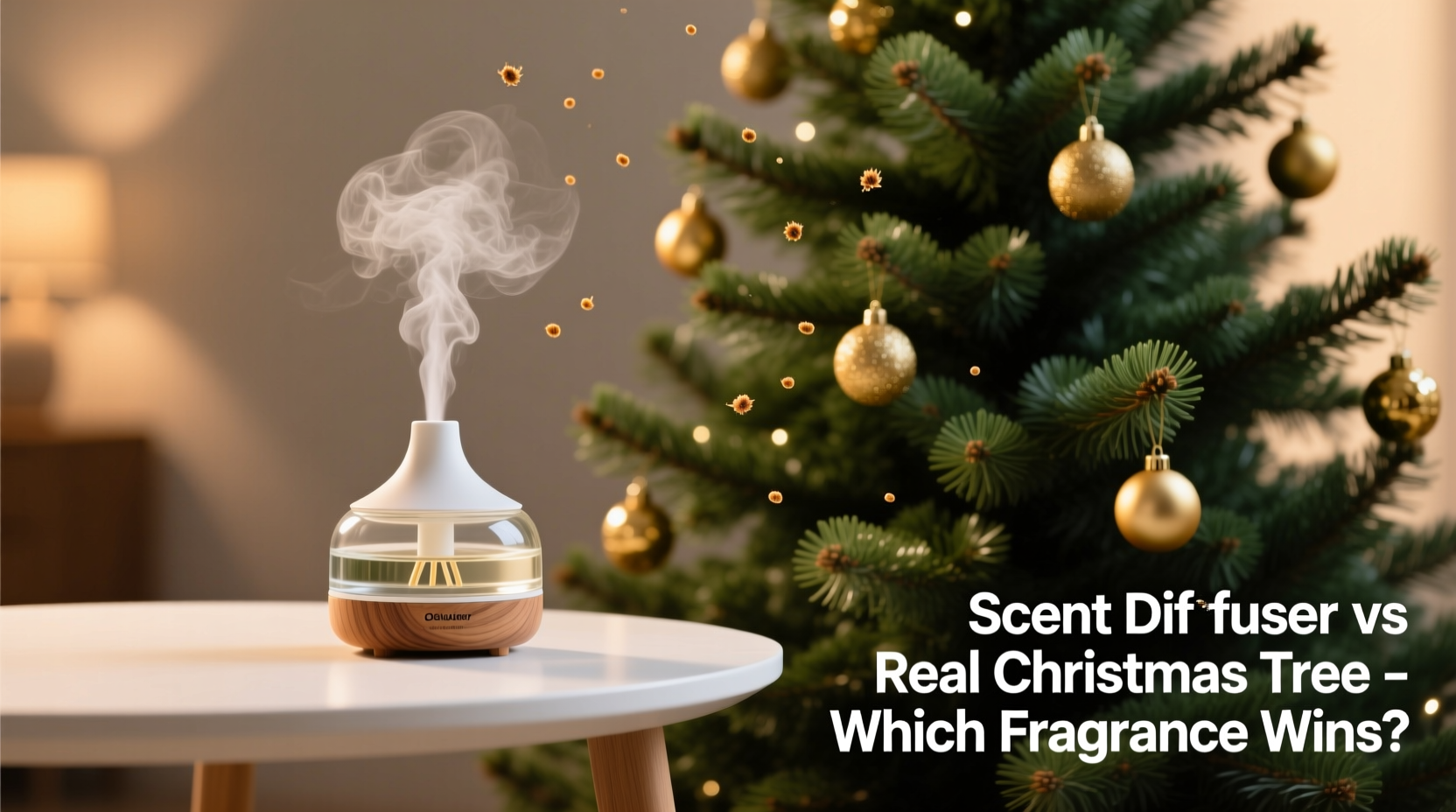
One of the most significant differences between a real Christmas tree and a scent diffuser lies in the quality and character of the fragrance.
A real tree emits a natural, complex blend of terpenes—organic compounds found in coniferous trees—that create its signature evergreen aroma. This scent varies slightly depending on the species (e.g., Fraser fir, Balsam fir, or Douglas fir), offering subtle nuances like citrusy top notes or earthy undertones. The smell evolves over time, intensifying after cutting and gradually fading as the tree dries.
In contrast, scent diffusers rely on synthetic or blended essential oils designed to mimic the smell of pine or “Christmas forest.” While high-end diffusers use premium fragrance oils that come close to the real thing, they often lack depth and variability. Many people report that artificial scents feel one-dimensional or overly sweet compared to the sharp, clean aroma of a live tree.
“Natural tree scent contains volatile organic compounds that interact with indoor air in ways synthetic fragrances can’t fully replicate. There’s a biological authenticity to it.” — Dr. Lena Peterson, Environmental Aromatics Researcher, University of Vermont
That said, some modern diffusers now offer blends incorporating real essential oils from pine, spruce, and cedar, narrowing the gap in olfactory realism. Still, purists argue nothing compares to standing beneath a freshly cut tree and inhaling deeply.
Longevity and Consistency of Scent
When comparing how long each option delivers fragrance, scent diffusers generally outperform real trees in consistency and duration.
A real Christmas tree typically peaks in fragrance within the first week after being cut. As it dries out over the following weeks, its ability to emit scent diminishes significantly—especially if not watered properly. By the third or fourth week, the aroma may be barely noticeable unless you’re standing right next to it.
Scent diffusers, on the other hand, provide a steady release of fragrance for several weeks or even months, depending on the model and oil volume. Ultrasonic diffusers can run daily for 4–8 hours, while reed diffusers passively emit scent continuously. With proper maintenance—refilling oil and cleaning components—the fragrance level remains predictable and controllable.
If consistent, long-term fragrance is your priority, a diffuser wins hands down. But if you value intensity during a short seasonal window, a real tree offers unmatched power during its prime.
Safety, Maintenance, and Practicality
Practical considerations often tip the balance toward diffusers—especially for households with pets, allergies, or limited space.
Real trees require regular upkeep: watering daily, managing fallen needles, and ensuring the tree doesn’t become a fire hazard near heat sources. Dry trees are highly flammable, and the National Fire Protection Association reports that Christmas trees contribute to an average of 160 home fires annually in the U.S.
Diffusers eliminate most of these concerns. Electric models pose minimal fire risk when used correctly, and there’s no shedding or sap. However, some diffusers use essential oils that can irritate pets or individuals with respiratory sensitivities. Oils like pine or eucalyptus, while festive, can be toxic to cats and birds if diffused in poorly ventilated areas.
| Factor | Real Christmas Tree | Scent Diffuser |
|---|---|---|
| Maintenance | High (daily watering, needle cleanup) | Low (occasional refills, cleaning) |
| Allergens | Potential (pollen, mold on sap) | Potential (essential oil sensitivity) |
| Fire Risk | Moderate to high (if dry) | Very low (with modern devices) |
| Pet Safety | Generally safe (watch for ingestion) | Caution with certain oils |
| Lifespan (Fragrance Delivery) | 2–4 weeks | 4–12 weeks |
For urban apartments, small homes, or busy families, the low-maintenance nature of diffusers makes them a compelling alternative. You avoid hauling a large tree through narrow hallways and skip the post-holiday disposal hassle.
Environmental and Economic Impact
From an ecological standpoint, both options have pros and cons.
Real Christmas trees are renewable resources. Most are grown on farms specifically for harvest, absorbing CO₂ during growth. After use, they can be recycled into mulch or habitat logs. However, transportation emissions, pesticide use in farming, and improper disposal (ending up in landfills) reduce their sustainability profile.
Scent diffusers have a mixed footprint. While reusable, they depend on plastic components, electronic parts, and bottled fragrance oils—many of which contain synthetic chemicals derived from petroleum. Refill bottles generate ongoing plastic waste unless brands offer sustainable packaging.
Economically, real trees are a one-time seasonal purchase, averaging $75–$120 for a standard 6–7 foot tree. Scent diffusers require an upfront investment ($30–$100) plus recurring costs for oil refills ($15–$25 per bottle). Over multiple years, diffusers can be more cost-effective—especially if used beyond the holidays with different seasonal scents.
Mini Case Study: The Urban Apartment Holiday
Consider Sarah, a marketing professional living in a 700-square-foot downtown loft. Last year, she bought a real Fraser fir for the first time in five years, excited to recreate childhood memories. But within days, pine needles covered her hardwood floor, her cat chewed a lower branch, and she forgot to refill the water stand. By Christmas Eve, the tree was noticeably dry—and so was the air in her apartment.
This year, Sarah opted for a sleek ultrasonic diffuser with a “Winter Forest” essential oil blend. She set it to run two hours each evening, filling her space with a consistent, woodsy aroma. No mess, no pet risks, and no last-minute tree disposal. While she admits missing the grandeur of a full tree, she appreciates the simplicity and reliability of her new setup—especially during a hectic work season.
Her experience reflects a growing trend among city dwellers who prioritize convenience without sacrificing ambiance. For them, scent diffusers aren’t just a substitute—they’re a smarter fit.
Step-by-Step: How to Maximize Holiday Fragrance (Regardless of Choice)
Whether you choose a real tree or a diffuser, follow this guide to enhance and prolong your holiday scent experience:
- Start early: Begin diffusing or setting up your tree the weekend before Thanksgiving to establish the holiday atmosphere gradually.
- Layer the scent: Combine your primary source (tree or diffuser) with complementary elements like pine-scented candles, potpourri, or baked goods (e.g., gingerbread, cinnamon rolls).
- Optimize airflow: Place diffusers near natural air currents (not in corners). For trees, avoid enclosing them behind furniture.
- Maintain hydration: Check tree water levels twice daily. For diffusers, clean the tank weekly to prevent clogs and odor buildup.
- Refresh mid-season: Add a few drops of essential oil to tree branches (spray diluted solution) or switch to a stronger diffuser blend if the scent fades.
- Extend beyond December: Save unused fragrance oil or freeze tree trimmings to use in DIY sachets or wreaths next year.
Checklist: Choosing Between a Real Tree and a Scent Diffuser
- ✅ Do you have space for a full-sized tree?
- ✅ Are you willing to commit to daily maintenance?
- ✅ Do you or anyone in your household have allergies or asthma?
- ✅ Do you own pets sensitive to essential oils or curious about chewing branches?
- ✅ Is fire safety a major concern (e.g., old wiring, wood stove)?
- ✅ Do you value authentic, natural fragrance over convenience?
- ✅ Are you looking for a multi-season fragrance solution?
Tally your answers. If most are “yes” to the first four, a diffuser may be better. If you answered “yes” to the last three, a real tree might be worth the effort.
Frequently Asked Questions
Can I use both a real tree and a scent diffuser together?
Absolutely. Many people use a diffuser to boost the tree’s natural scent, especially later in the season when the tree begins to dry. Just ensure the diffuser isn’t placed too close to the tree, which could increase moisture-related issues like mold.
Are there diffusers that smell exactly like a real Christmas tree?
None perfectly replicate it, but some come close. Look for blends containing Siberian fir, blue spruce, or balsam essential oils. Brands like P.F. Candle Co., WoodWick, and Vitruvi offer “forest” or “evergreen” profiles praised for their realism.
What’s the most eco-friendly way to enjoy holiday scents?
Combine a locally sourced, organically grown Christmas tree with a reusable diffuser using biodegradable, plant-based oils. After the holidays, recycle the tree and repurpose leftover oil in homemade cleaners or linen sprays.
Conclusion
The question isn’t whether a scent diffuser is objectively better than a real Christmas tree—it’s whether it’s better for you. For those who cherish tradition, sensory authenticity, and the ritual of selecting and decorating a tree, nothing replaces the real thing. But for others—those in small spaces, with demanding schedules, or prioritizing safety and ease—a high-quality diffuser offers a compelling, modern alternative.
Ultimately, the best holiday fragrance is the one that brings you joy, comfort, and a sense of belonging. Whether it rises from the needles of a sunlit fir or mists gently from a quiet corner of your living room, the scent of the season is what you make of it.




 浙公网安备
33010002000092号
浙公网安备
33010002000092号 浙B2-20120091-4
Comments
No comments yet. Why don't you start the discussion?