
The holiday season brings with it a wave of themed decor—some timeless, others fleeting. Among the latest trends is the Christmas tree-shaped scent diffuser: a decorative item that doubles as an aroma dispenser, often marketed as both festive and functional. These devices blend seasonal charm with aromatherapy, promising to freshen your home while doubling as a centerpiece. But beyond the visual appeal, do they deliver in performance, longevity, and value? Or are they simply another short-lived impulse buy destined for a closet by January?
This article examines the practicality of Christmas tree-shaped diffusers from multiple angles—design, functionality, cost, user experience, and sustainability—to help you determine whether this novelty is truly worth incorporating into your holiday routine.
Design and Aesthetic Appeal
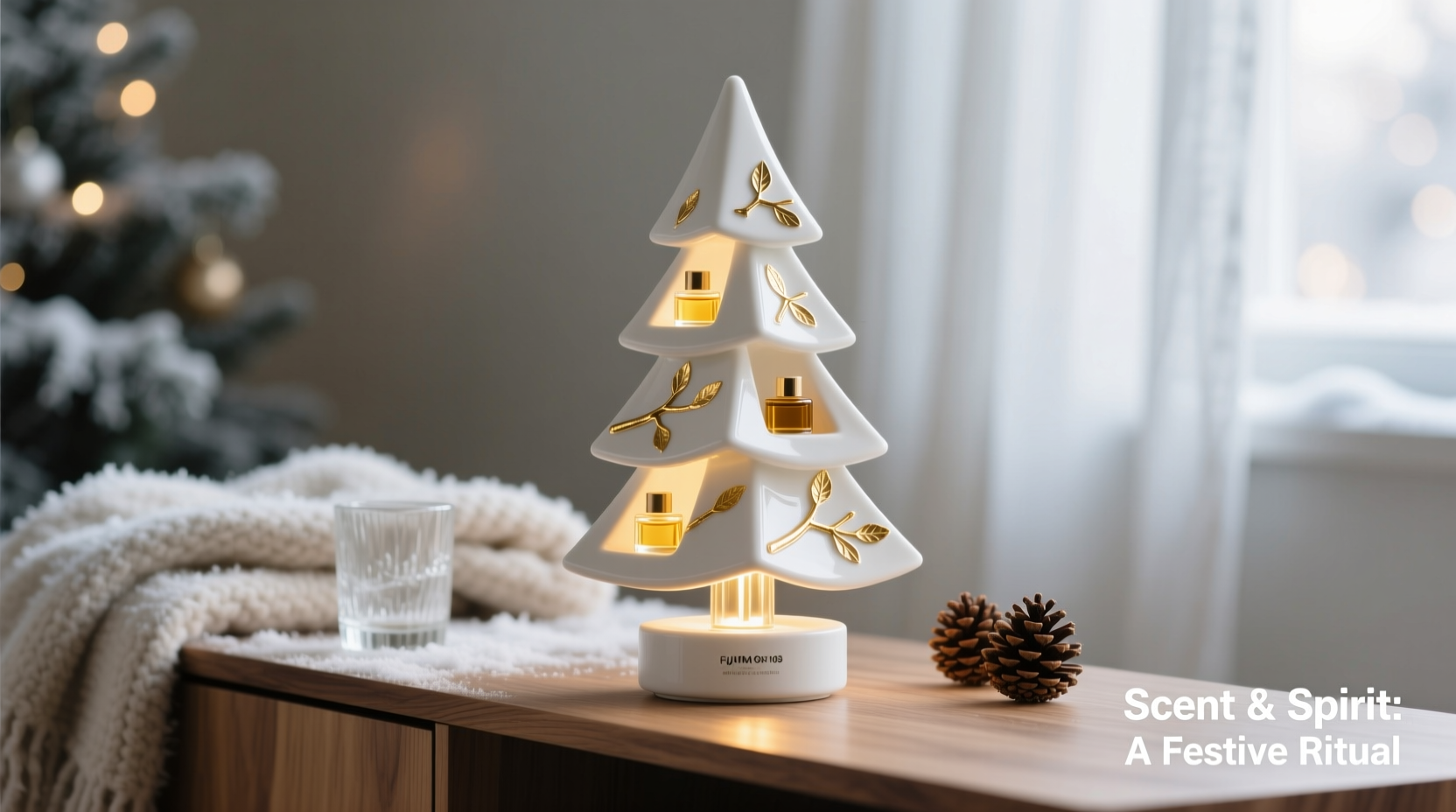
First impressions matter, and in this case, the Christmas tree diffuser scores high on visual impact. Crafted to resemble a miniature evergreen—complete with tiered branches, textured bark, or even twinkling LED lights—these units are designed to mimic traditional trees without the mess of pine needles or the space requirements of a full-sized version.
Available in materials ranging from ceramic and resin to plastic and wood composite, these diffusers come in sizes from 6 inches to over 2 feet tall. Some feature built-in water reservoirs and ultrasonic misting technology, while others use reed-based diffusion systems where essential oils travel up sticks embedded in the base.
Their compact footprint makes them ideal for apartments, office desks, or mantelpieces. Unlike real trees, they don’t require watering, trimming, or post-holiday disposal. For urban dwellers with limited space or pet owners wary of fallen needles, the aesthetic convenience is undeniable.
Functionality: Does It Diffuse Effectively?
A decorative object is only as good as its function. While the tree shape may be charming, does it interfere with performance?
Ultrasonic models generally perform well, producing a fine mist that disperses fragrance evenly across small to medium rooms (up to 300 sq ft). However, their effectiveness depends on placement, room ventilation, and oil concentration. The tree’s branching structure can sometimes obstruct airflow or limit reservoir capacity, reducing runtime compared to cylindrical or dome-shaped diffusers.
Reed-based versions, though quieter and more energy-efficient, rely on passive diffusion. Their output is milder and better suited for personal spaces like bathrooms or entryways. In larger rooms, the scent may not project strongly enough to make a noticeable difference.
One recurring issue reported by users is uneven saturation. In multi-tiered designs, oil may pool at the base rather than wicking upward through higher branches, leading to inconsistent fragrance distribution. This undermines the very idea of a “tree”-shaped diffuser—if only the bottom emits scent, the visual symmetry loses meaning.
“Form should follow function. When novelty overrides engineering, you end up with products that look great in photos but underperform in real homes.” — Lena Park, Product Design Consultant at HomeWell Labs
Cost vs. Value Comparison
Priced between $25 and $80, Christmas tree diffusers sit at a premium compared to standard diffusers, which average $15–$30. The markup reflects seasonal branding, intricate molds, and added features like color-changing lights or sound emitters.
To assess true value, consider long-term usability. Will you use it beyond the holidays? Most consumers store theirs after December, rendering it idle for 11 months. Compare that to a neutral-colored diffuser used year-round with seasonal oils—peppermint in winter, citrus in spring, lavender in summer.
Below is a comparison of typical costs and utility:
| Feature | Christmas Tree Diffuser | Standard Diffuser |
|---|---|---|
| Average Price | $35–$75 | $15–$40 |
| Year-Round Use | Limited (seasonal) | High (versatile) |
| Maintenance | Moderate (harder to clean crevices) | Low (smooth interiors) |
| Scent Coverage | Small to medium rooms | Small to large rooms |
| Lifespan | 1–3 seasons (with seasonal storage) | 2+ years (regular use) |
| Storage Space | Bulky (irregular shape) | Compact (uniform shape) |
While the tree diffuser offers seasonal joy, its restricted usage window reduces cost-efficiency. Unless you host frequent holiday gatherings or run a themed retail space, the return on investment diminishes significantly.
User Experience: Real-World Scenarios
Consider Sarah, a marketing manager in Chicago who bought a 12-inch LED Christmas tree diffuser for her apartment living room. She filled it with a pine-cinnamon blend and turned it on during a Friendsgiving gathering. Guests complimented the cozy ambiance, and the soft glow paired beautifully with her string lights.
But within three days, she noticed white mineral residue building up on the lower branches—a common issue with tap water in ultrasonic models. Cleaning required disassembling the tiers, a process not clearly outlined in the manual. After two uses, she stopped refilling it, citing hassle and inconsistent misting.
In contrast, Mark, who runs a boutique gift shop in Portland, purchased five mini tree diffusers wholesale to display near checkout counters. Used daily from November through January, they enhanced customer experience and doubled as sellable inventory. For him, the novelty had commercial value—it attracted attention and aligned with his brand’s festive identity.
The takeaway: context defines worth. For occasional home use, the novelty may wear off quickly. For businesses or enthusiastic decorators, it can serve dual roles as decor and atmosphere enhancer.
Practical Tips for Maximizing Use
If you already own—or are considering purchasing—a Christmas tree diffuser, these strategies can improve its performance and extend its usefulness:
- Rotate scents seasonally: Use evergreen blends in December, then switch to fresh linen or eucalyptus in January to keep using it post-holidays.
- Repurpose as a nightlight: Even without oil, the soft LED glow can serve as a calming bedroom light.
- Store properly: Disassemble and wrap in tissue paper to protect delicate branches. Keep in a labeled box to avoid damage.
- Use in high-traffic zones: Entryways, powder rooms, or home offices benefit most from consistent fragrance exposure.
- Limit runtime: Run in 2-hour intervals to preserve internal components and prevent over-saturation of scent.
Environmental and Ethical Considerations
As with any seasonal product, sustainability is a concern. Many tree diffusers are made from non-recyclable plastics or mixed materials that complicate disposal. If used only once a year, their environmental footprint per hour of use becomes disproportionately high.
Additionally, the rise in fast-decor trends encourages disposable consumption. Retailers release new models annually—slightly taller, brighter, or smarter—urging repeat purchases instead of reuse. This cycle mirrors fast fashion in home goods, contributing to clutter and waste.
Opting for a durable, minimalist diffuser made from recyclable materials (like glass or bamboo) supports longer-term ownership and reduces landfill contribution. Some brands now offer refillable pods and modular designs, allowing users to swap outer shells while keeping the core mechanism—this could be the future of themed diffusers.
Step-by-Step Guide: How to Decide If It’s Worth Buying
Before adding a Christmas tree diffuser to your cart, follow this decision-making sequence:
- Assess your space: Do you have a dedicated spot where it will be visible and functional?
- Evaluate current diffusers: Do you already own one? Can it handle seasonal oils without needing a new device?
- Estimate usage frequency: Will you use it more than 10 times per holiday season? Less than that, and ROI drops sharply.
- Check cleaning requirements: Are you willing to disassemble and deep-clean every few weeks?
- Consider resale or gifting: Could it double as a present? That increases utility even if you don’t keep it.
- Review material quality: Avoid flimsy plastic. Look for BPA-free labels, stainless steel components, or ceramic builds.
- Calculate total cost: Include oils, electricity, and potential replacements. Is it under $100 for meaningful enjoyment?
If you answer “yes” to at least four of the first five questions, the purchase may be justified. Otherwise, consider renting holiday ambiance through temporary decor swaps or borrowing from friends.
Frequently Asked Questions
Can I use regular air freshener oils in a Christmas tree diffuser?
No. Only use essential oils or diffuser-safe fragrance oils. Synthetic air fresheners may contain chemicals that corrode internal mechanisms, especially in ultrasonic models. Always check manufacturer guidelines before filling.
How long does a typical session last?
Most models run 3–6 hours continuously before needing a refill. Larger reservoirs or intermittent modes can extend this to 10–12 hours. Reed-based versions emit scent passively for 4–8 weeks, depending on airflow and oil viscosity.
Are these safe around pets?
Proceed with caution. While the diffuser unit itself is safe, many essential oils (e.g., tea tree, citrus, pine) are toxic to cats and dogs when inhaled in concentrated form. Opt for pet-safe blends and ensure proper ventilation. Never place near pet beds or enclosures.
Final Verdict: Novelty vs. Necessity
The Christmas tree-shaped scent diffuser excels as a conversation starter and mood enhancer during the holidays. Its charm lies in merging sensory pleasure—aroma and sight—into a single object. For those who love immersive seasonal experiences, it can elevate the spirit of the season.
However, judged by functionality, cost-efficiency, and year-round utility, it falls short of necessity. It’s a luxury, not a staple. Like ornaments or advent calendars, its value is emotional rather than practical.
If you prioritize ambiance over efficiency, enjoy rotating decor, or operate a hospitality-focused space, the novelty is absolutely worth it. But if you seek reliable, low-maintenance fragrance delivery, a simple, well-built diffuser will serve you better—and last longer.
Ultimately, the decision hinges on how you define value. Is it measured in daily utility, or in the warmth of a moment—the first whiff of pine on a snowy evening, the soft glow reflecting off frosted windows? For some, that moment justifies the price.




 浙公网安备
33010002000092号
浙公网安备
33010002000092号 浙B2-20120091-4
Comments
No comments yet. Why don't you start the discussion?