
For many, the holiday season is defined by tradition: twinkling lights, wrapped gifts, carols on repeat—and the unmistakable aroma of a fresh pine tree filling the home. But not everyone has space for a full-sized evergreen, or the time to manage shedding needles and daily watering. As minimalist lifestyles and urban living gain traction, alternatives to the traditional Christmas tree are becoming more popular. One such option gaining attention is the use of a scent diffuser with pine essential oil as a sensory substitute. But can an aroma truly replicate the experience of a real tree? And more importantly, is it a worthwhile alternative?
This article explores the practical, emotional, and environmental dimensions of using a pine-scented diffuser in place of a live or artificial tree. From air quality considerations to psychological effects, we’ll examine what’s gained—and what might be lost—in making this switch.
The Role of Scent in Holiday Memory and Emotion
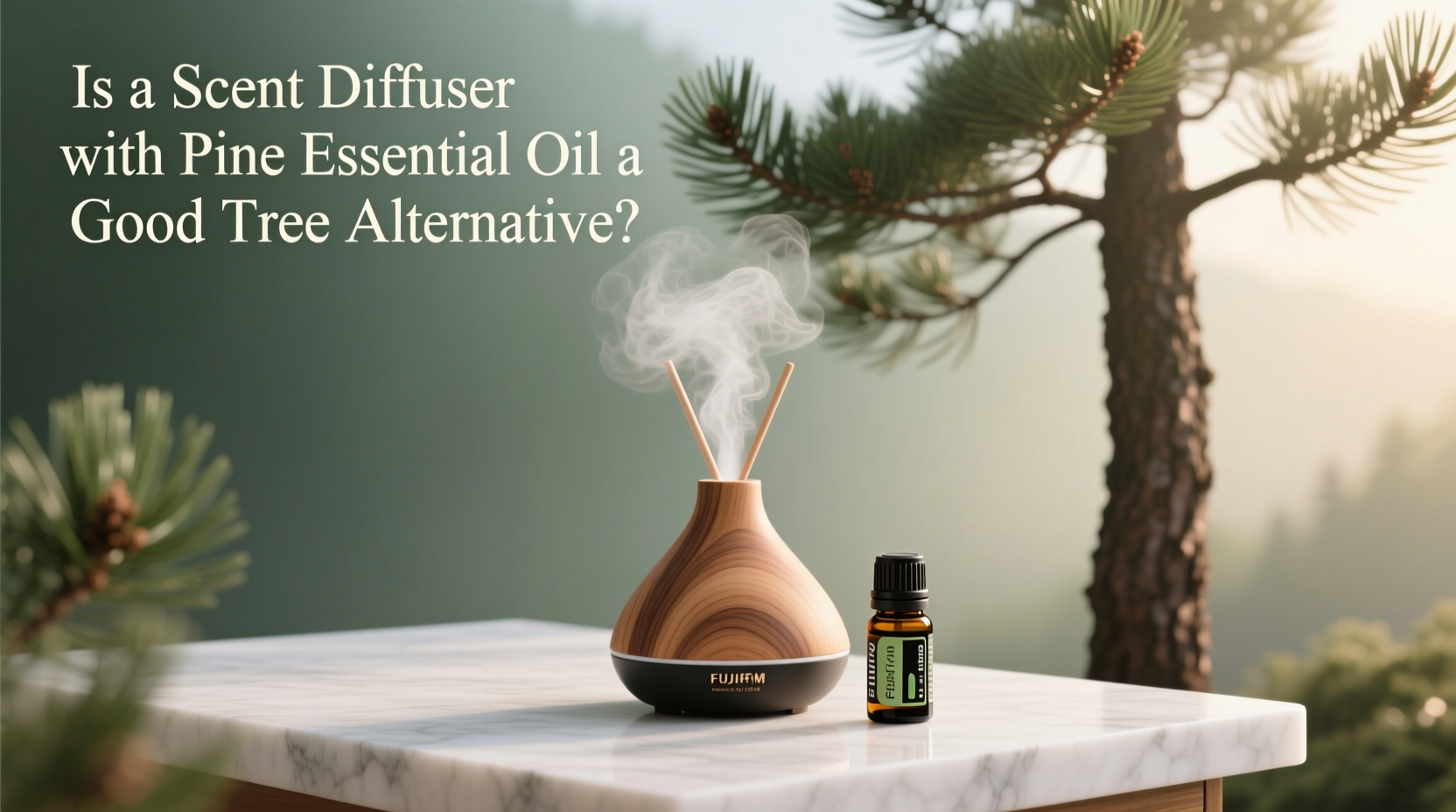
Scent is deeply tied to memory and emotion. Unlike other senses, olfaction connects directly to the limbic system—the brain’s center for emotion and long-term memory. The smell of pine, cinnamon, or baked cookies during the holidays isn’t just pleasant; it can trigger vivid recollections of childhood Christmases, family gatherings, or quiet winter mornings.
Pine essential oil, extracted from species like *Pinus sylvestris* (Scots pine) or *Abies alba* (silver fir), contains compounds such as alpha-pinene and limonene, which closely mimic the natural fragrance of evergreen trees. When diffused, these volatile oils disperse into the air, creating an ambient forest-like atmosphere that can evoke the essence of a Christmas tree without the physical presence.
“Scent has the power to transport us instantly. A whiff of pine can awaken decades-old memories with surprising clarity.” — Dr. Lena Moretti, Cognitive Psychologist, University of Oregon
For those who prioritize emotional resonance over visual tradition, a well-placed diffuser may offer a surprisingly effective substitute. It delivers the nostalgic aroma without requiring floor space, maintenance, or disposal efforts.
Practical Advantages of a Pine-Scented Diffuser
Beyond nostalgia, there are tangible benefits to choosing a scent-based alternative:
- Space-saving: Ideal for small apartments, dorm rooms, or office spaces where a tree would be impractical.
- No cleanup: Eliminates needle shedding, sap drips, and post-holiday disposal.
- Allergy-friendly: Avoids pollen and mold spores common in live trees, which can trigger respiratory issues.
- Pet-safe options: While some essential oils are toxic to pets, pine oil—when properly diluted and used in well-ventilated areas—can be safer than tinsel or electrical hazards from tree lights.
- Cost-effective: A single bottle of pine essential oil lasts multiple seasons, unlike annual tree purchases.
Comparing Experience: Tree vs. Diffuser
To assess whether a diffuser is a viable alternative, it’s important to compare the full sensory and experiential package of both options. The following table outlines key differences:
| Feature | Real Christmas Tree | Pine Scent Diffuser |
|---|---|---|
| Visual Impact | High – centerpiece decor, lights, ornaments | Low – requires complementary décor |
| Aroma Authenticity | Natural, evolving scent over time | Synthetic approximation; consistent but less complex |
| Maintenance | Daily watering, needle cleanup, fire risk | Weekly refills, minimal upkeep |
| Lifespan | 3–4 weeks (live); years (artificial) | Years (device), oil replenished as needed |
| Environmental Impact | Mixed – biodegradable but transportation-heavy; artificial trees create plastic waste | Low – reusable device, small oil volumes |
| Emotional Engagement | High – ritual of selection, decorating, family traditions | Moderate – primarily olfactory stimulation |
| Cost (Annual) | $50–$100 (live); $100+ (artificial, amortized) | $20–$40 (oil + electricity) |
While the diffuser wins in convenience and cost-efficiency, it lacks the visual and tactile engagement of a real tree. For some, this trade-off is acceptable. For others, especially families with children or strong holiday rituals, the absence of a physical tree may feel like a loss of tradition.
Creating a Complete Alternative Experience
A diffuser alone won’t satisfy the desire for a festive centerpiece. However, when combined with intentional design choices, it can form part of a compelling alternative. Consider this step-by-step approach to recreating the spirit of a Christmas tree without the tree itself:
- Choose your diffuser location: Place it near a seating area or entryway where the scent will circulate naturally.
- Layer the ambiance: Pair the pine aroma with soft lighting—string lights draped over a shelf, candles (real or flameless), or a menorah for multi-tradition homes.
- Add symbolic greenery: Use potted plants like rosemary (which smells subtly pine-like), eucalyptus garlands, or faux evergreen swags on mantles or walls.
- Incorporate ornamentation: Hang a few meaningful ornaments on a mirror, window, or decorative ladder to maintain the ritual of decoration.
- Set a scent schedule: Use a diffuser with a timer to release pine oil during evenings or weekends, mimicking the “arrival” of the holiday mood.
“We replaced our tree with a ‘memory wall’—a curated display of old ornaments, photos, and a diffuser in the corner. It’s quieter, calmer, and still feels sacred.” — Maria Tran, Portland, OR (Mini Case Study)
Maria, a busy nurse and mother of two, switched to a scent-based setup after years of struggling with tree logistics. With limited space and two cats prone to knocking things over, she found relief in simplifying. Her diffuser runs two hours each evening, timed with dinner music and dimmed lights. The ritual remains, even if the form has changed.
Health and Safety Considerations
While generally safe, pine essential oil isn’t risk-free. Proper usage is critical:
- Dilution matters: Always follow manufacturer guidelines. Over-concentration can irritate lungs or cause headaches.
- Ventilation: Run diffusers in open spaces. Avoid using them in small, unventilated rooms for extended periods.
- Pet precautions: Some animals, especially birds and cats, are sensitive to essential oils. Consult a veterinarian before regular use in pet households.
- Quality of oil: Choose 100% pure, therapeutic-grade pine oil. Avoid synthetic fragrances labeled as “pine-scented,” which may contain phthalates or other irritants.
Environmental and Ethical Implications
The environmental footprint of Christmas trees is often overlooked. While live trees are renewable and biodegradable, their cultivation involves pesticides, water use, and carbon emissions from transportation. Artificial trees, typically made from PVC and metal, can take centuries to decompose and are rarely recycled.
In contrast, a high-quality diffuser uses minimal resources. A 10ml bottle of pine essential oil can last an entire holiday season with intermittent use. If sourced sustainably—ideally from forests managed under FSC (Forest Stewardship Council) standards—the ecological impact is negligible.
However, ethical sourcing matters. Some pine oil is harvested through destructive distillation methods that damage young trees. Look for brands that disclose origin and use steam extraction from fallen needles or sustainable pruning.
When a Diffuser Works Best—and When It Doesn’t
A pine-scented diffuser is not a one-size-fits-all solution. It excels in specific contexts:
- Urban dwellers with limited square footage
- Individuals with allergies or respiratory sensitivities
- Minimalist or modern aesthetics where a tree feels out of place
- Temporary setups (e.g., rental homes, pop-up events)
It falls short when:
- Children expect a place to hang all their handmade ornaments
- Family traditions revolve around tree shopping or decorating together
- The home lacks other festive elements to compensate visually
- There’s a strong cultural or religious emphasis on the tree as a symbol
Frequently Asked Questions
Can pine essential oil fully replace the smell of a real tree?
It comes close, especially high-quality oil from true pine or fir species. However, the natural complexity of a live tree’s scent—shaped by resin, moisture, and temperature—cannot be perfectly replicated. Most users report a 70–80% similarity in aroma.
Are there any health risks to diffusing pine oil regularly?
When used appropriately, risks are low. However, prolonged exposure in poorly ventilated areas may cause headaches or respiratory irritation in sensitive individuals. Limit diffusion to 30–60 minutes at a time, and take breaks between sessions.
How do I make the scent last longer without overwhelming the room?
Use a diffuser with adjustable mist settings. Start with low output and increase only if needed. You can also place bowls of water with a few drops of oil near heat sources (radiators, vents) for passive diffusion.
Checklist: Is a Pine Diffuser Right for You?
Before making the switch, consider the following:
- ✅ Do you lack space for a tree?
- ✅ Are you looking to reduce holiday cleanup?
- ✅ Do you or someone in your household have allergies to pollen or mold?
- ✅ Are you open to redefining holiday traditions?
- ✅ Can you incorporate other festive elements (lights, greenery, music) to compensate visually?
- ✅ Are you committed to using high-quality, sustainably sourced essential oils?
If you answered “yes” to most of these, a pine essential oil diffuser could be a thoughtful and sustainable alternative.
Conclusion: Tradition Evolves—And That’s Okay
The holiday season is not about perfection—it’s about meaning. Whether that meaning comes from a towering spruce lit with generations of ornaments or a quiet corner where the scent of pine drifts through the air depends entirely on your life, values, and circumstances.
A scent diffuser with pine essential oil won’t hang your stockings or support a star topper. But it can deliver warmth, memory, and a whisper of the forest. For many, that’s enough. For others, it’s a starting point—a way to simplify today so they can return to tradition tomorrow.
Ultimately, the best holiday setup is the one that brings peace, not stress. If letting go of the tree frees you to focus on connection, rest, or joy, then the diffuser isn’t just a good alternative—it’s an upgrade.




 浙公网安备
33010002000092号
浙公网安备
33010002000092号 浙B2-20120091-4
Comments
No comments yet. Why don't you start the discussion?