
The holiday season brings with it an unmistakable desire for warmth, comfort, and serenity. As homes are adorned with festive decor, lighting plays a pivotal role in shaping the emotional tone of the space. Among the most common choices are LED string lights with programmable settings—particularly the slow fade and twinkle modes. But which one truly fosters a calming, restful atmosphere? While both offer visual appeal, their psychological and sensory impacts differ significantly. Understanding these differences allows homeowners, event planners, and designers to make intentional decisions that align with their desired ambiance.
Understanding Light Motion and Mood
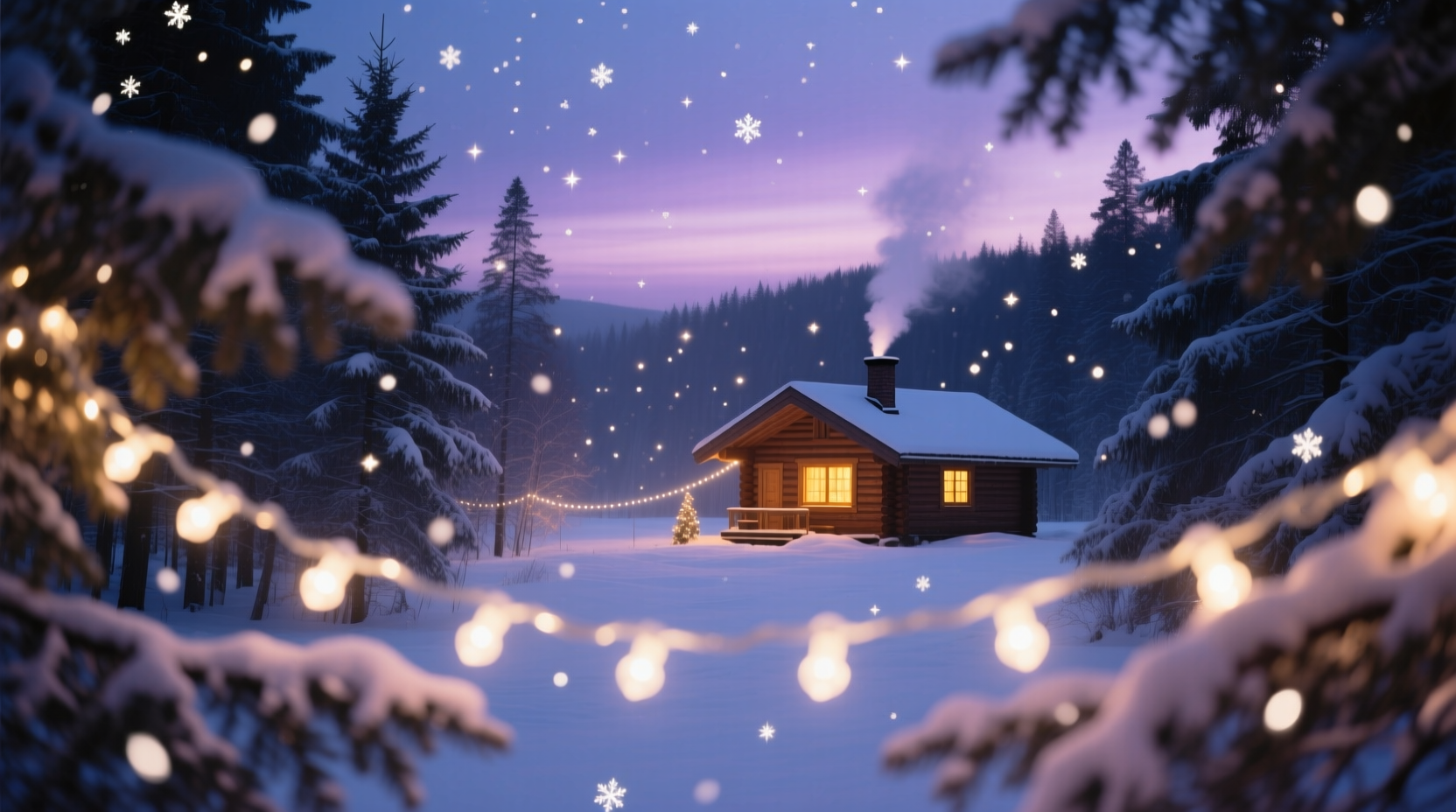
Light doesn’t just illuminate—it influences. The human brain responds to light patterns on both conscious and subconscious levels. Rapid changes in brightness or position can trigger alertness, while gradual transitions support relaxation. This principle is rooted in chronobiology, the study of biological rhythms influenced by light exposure.
When evaluating holiday lighting effects, two key factors come into play: rhythm and predictability. A twinkle setting mimics the erratic flicker of stars or fireflies—random, quick bursts of light across individual bulbs. In contrast, a slow fade creates a smooth, wave-like transition from full brightness to dimmed glow across all bulbs in sequence. This distinction affects not only aesthetic preference but also physiological response.
“Lighting that moves slowly and predictably supports parasympathetic nervous system activation—the state associated with rest and digestion.” — Dr. Lena Patel, Environmental Psychologist
For holiday environments meant to encourage family bonding, quiet reflection, or evening wind-downs, minimizing sensory overload is essential. Fast, unpredictable lighting may energize a party scene but can disrupt the sense of calm needed in intimate gatherings or bedtime routines.
Slow Fade: The Science of Calm
The slow fade effect operates on a cycle—typically lasting 5 to 10 seconds per transition—where lights gradually brighten and dim in unison or gentle progression. This mimics natural phenomena like sunrise and sunset, which humans have evolved to respond to with hormonal shifts (e.g., melatonin regulation).
In therapeutic environments such as meditation rooms or sleep-friendly bedrooms, rhythmic dimming has been used to reduce anxiety and prepare the mind for rest. Applied to holiday lighting, this same principle helps create a soothing backdrop without demanding attention.
Because the change is predictable and uniform, the brain doesn’t need to track sudden movements or surprises in the visual field. This reduces cognitive load, making it ideal for spaces where people linger—living rooms, porches, dining areas during dinner, or bedside nooks decorated for the season.
Twinkle Mode: Energy Over Ease
Twinkle settings simulate randomness. Individual bulbs flash independently at varying intensities and intervals, often with sharp on-off contrasts. This dynamic quality captures attention quickly, stimulating the visual cortex. It’s effective for drawing focus—perfect for outdoor displays visible from the street or festive centerpieces at lively parties.
However, this very strength becomes a drawback when seeking tranquility. The unpredictability of twinkling lights introduces micro-arousals in the nervous system. For children, individuals with sensory sensitivities, or anyone trying to relax, this constant visual “noise” can be subconsciously fatiguing.
Consider a scenario: a family gathers after dinner to sip cocoa and watch a holiday film. If the room is lit with rapid twinkles, viewers may feel subtly agitated or distracted, even if they can't pinpoint why. Their brains are continuously processing new points of light appearing and disappearing—like peripheral movement catching the eye.
Mini Case Study: The Johnson Family Living Room
The Johnsons loved Christmas lights but noticed their youngest daughter struggled to settle down during evening festivities. She would become overstimulated, resist bedtime, and complain that “the lights were too loud.” After consulting a pediatric occupational therapist, they learned that her sensory processing sensitivity made her particularly reactive to erratic visual stimuli.
They replaced their traditional twinkle-mode tree lights with a slow fade warm-white strand. Within days, bedtime routines improved. The parents also reported feeling more relaxed themselves. “It’s like the room finally breathes,” said Mrs. Johnson. “Before, it felt jittery. Now it feels peaceful.”
Comparative Analysis: Slow Fade vs Twinkle
| Feature | Slow Fade | Twinkle |
|---|---|---|
| Motion Type | Smooth, gradual transition | Random, rapid flashes |
| Cognitive Load | Low – predictable pattern | High – requires constant tracking |
| Best For | Indoor relaxation, bedrooms, quiet spaces | Outdoor displays, parties, attention-grabbing decor |
| Sleep-Friendly? | Yes – especially with warm tones | No – can delay melatonin release |
| Emotional Effect | Calm, reflective, cozy | Excited, playful, energetic |
| Suitable for Sensory Sensitivity | Highly recommended | Not recommended |
This comparison underscores that neither setting is universally superior—the choice depends on context and intention. For a relaxing holiday mood, slow fade consistently outperforms twinkle in supporting emotional ease and neurological comfort.
Designing for Intention: Matching Light to Environment
Selecting between slow fade and twinkle should begin with a simple question: What do I want people to feel here?
If the goal is connection, stillness, or warmth—such as during candlelit dinners, late-night conversations, or solo moments with a book—slow fade enhances those experiences. Its gentle pulse mirrors breathing, inviting synchronicity between environment and inhabitant.
Conversely, twinkle excels in celebratory contexts: neighborhood light tours, holiday markets, or New Year’s Eve gatherings. These are times when stimulation is welcome, even desired. The sparkle adds whimsy and joy, reinforcing the festive spirit.
Step-by-Step Guide: Creating a Relaxing Holiday Lighting Plan
- Assess Your Spaces: Identify areas used for relaxation (e.g., living room, bedroom, reading nook) versus high-energy zones (entryway, porch, kitchen during parties).
- Choose Bulb Color: Opt for warm white (2700K–3000K). Avoid cool white or multicolor unless used sparingly in non-relaxation areas.
- Select Motion Settings: Install slow fade in relaxation zones; reserve twinkle for exterior or entertainment-focused interiors.
- Control Brightness: Use dimmers or smart controllers to adjust intensity based on time of day. Lower brightness after 7 PM supports circadian health.
- Test and Adjust: Spend 10 minutes in each lit space after setup. Note any feelings of tension, distraction, or discomfort. Modify settings accordingly.
- Create Schedules: Program lights to turn off automatically by 10 or 11 PM to avoid overnight exposure and energy waste.
Expert Recommendations and Common Pitfalls
Interior designers specializing in wellness-centric spaces increasingly advocate for “emotional intelligence” in lighting design. According to Marcus Reed, a lighting consultant with over 15 years in residential projects:
“People forget that holiday lights aren’t just decoration—they’re part of the room’s nervous system. A poorly chosen setting can sabotage months of thoughtful interior design in seconds.” — Marcus Reed, Wellness Lighting Consultant
One common mistake is using the same lighting mode throughout the home. A single twinkle strand wrapped around a mantel can disrupt the entire living area’s vibe. Another is overlooking control options—many modern LED systems allow per-string programming, enabling precise customization.
Checklist: Choosing the Right Setting for Relaxation
- ☐ Is the space used for winding down, conversation, or quiet activities?
- ☐ Are children, elderly, or neurodivergent individuals frequent users of the space?
- ☐ Does the lighting compete with screens (TV, tablets) or other focal points?
- ☐ Can you test the setting at night before finalizing placement?
- ☐ Have you paired the motion effect with warm-color bulbs?
- ☐ Is there a way to switch modes seasonally or daily (e.g., twinkle during visits, fade afterward)?
Frequently Asked Questions
Can I use twinkle lights at all if I want a relaxing space?
Yes—but sparingly. A single strand of subtle twinkle lights, placed low or behind furniture, can add depth without overwhelming. Avoid placing them at eye level or in primary sightlines. Consider using “soft twinkle” modes if available, which dim adjacent bulbs rather than flashing sharply.
Are there health benefits to choosing slow fade over twinkle?
Indirectly, yes. Consistent exposure to erratic lighting at night may contribute to increased stress markers and disrupted sleep cycles. Slow fade supports circadian alignment, especially when combined with warm color temperatures and evening dimming. Over weeks, this can improve sleep quality and daytime focus.
Do smart lights offer better options for relaxation?
Absolutely. Smart LED systems (like Philips Hue, LIFX, or compatible app-controlled strings) allow granular control over speed, color, brightness, and pattern. You can program a slow fade that begins at dusk and gently dims through the evening. Some even sync with music or breathing exercises for enhanced mindfulness practices during the holidays.
Conclusion: Let Your Lights Reflect Your Intentions
The difference between a slow fade and a twinkle setting isn’t merely aesthetic—it’s emotional. When crafting a relaxing holiday mood, every detail matters, and lighting is among the most powerful tools at your disposal. Slow fade offers a rhythm that echoes the natural world: gentle, predictable, and deeply calming. It invites presence, softens edges, and turns a house into a sanctuary.
That doesn’t mean twinkle has no place. Joy, excitement, and wonder are vital parts of the season. But balance is key. By thoughtfully assigning each lighting mode to its appropriate context, you honor both festivity and peace.




 浙公网安备
33010002000092号
浙公网安备
33010002000092号 浙B2-20120091-4
Comments
No comments yet. Why don't you start the discussion?