
The modern bathroom has evolved from a purely functional space into a hub of wellness, grooming, and even digital connectivity. As technology integrates deeper into our daily lives, one innovation stands out: the smart mirror. More than just a reflective surface, these mirrors now offer weather updates, fitness tracking, voice assistants, and even skincare analysis. But with prices ranging from $300 to over $1,500, many homeowners are asking: is a smart mirror worth adding to your bathroom routine?
The answer isn’t a simple yes or no—it depends on how you use your bathroom, your tech habits, and what kind of value you place on convenience and personalization. To help you make an informed decision, let’s break down the features, benefits, drawbacks, and real-world utility of smart mirrors.
What Exactly Is a Smart Mirror?
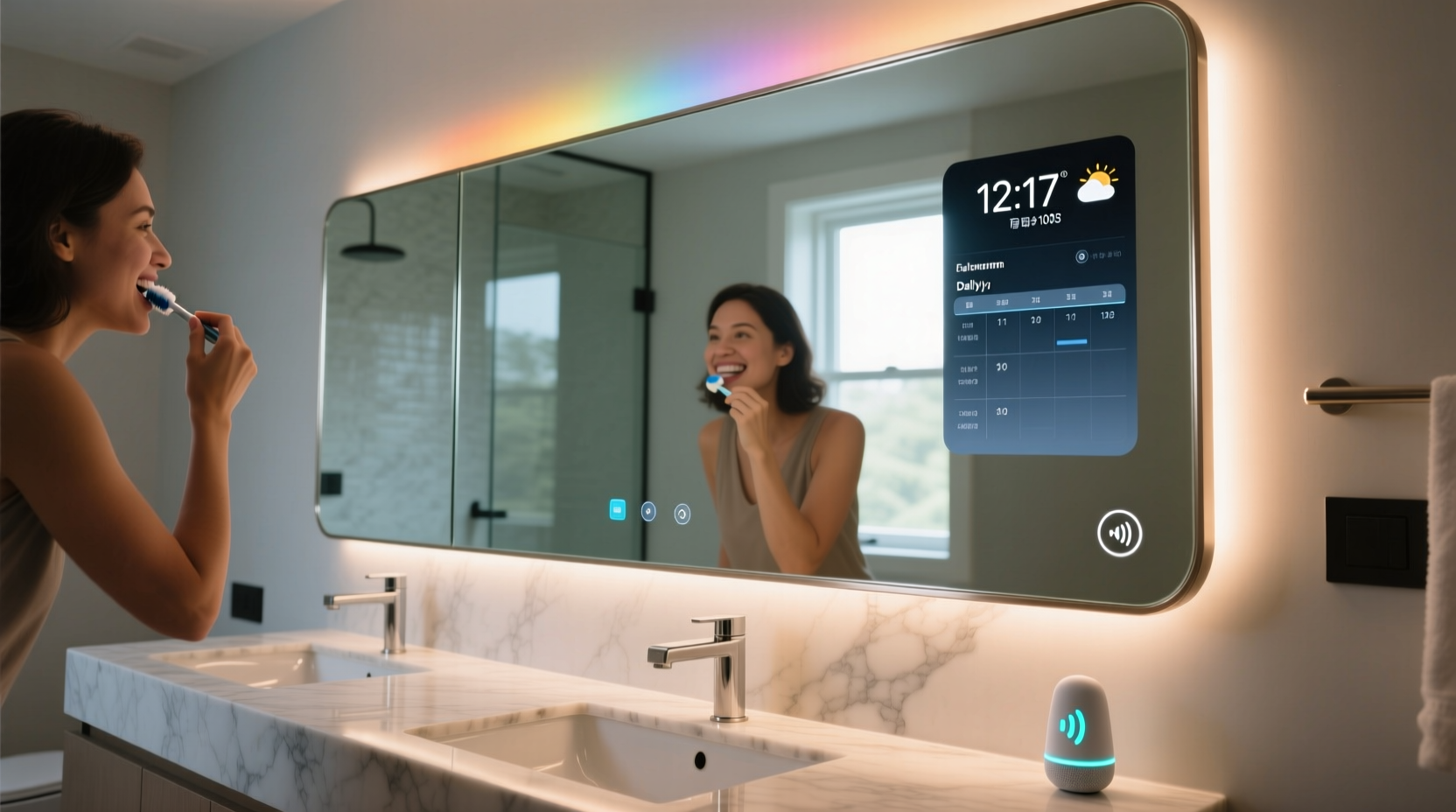
A smart mirror is a two-way glass panel embedded with a display and sensors that remain hidden when off but become visible when activated. Behind the sleek surface lies a small computer system capable of running apps, connecting to Wi-Fi, integrating with smart home devices, and responding to touch or voice commands.
Unlike traditional mirrors, smart mirrors can:
- Show time, date, weather, and news headlines
- Play music or podcasts via Bluetooth
- Display step-by-step grooming or makeup tutorials
- Integrate with fitness apps to track workouts or hydration goals
- Offer skin analysis using built-in cameras and AI algorithms
- Sync with calendars and send reminders
Some high-end models, like those from HiMirror or Recess, even include ambient lighting that mimics natural daylight—ideal for accurate makeup application.
Practical Benefits of a Smart Bathroom Mirror
The appeal of a smart mirror goes beyond novelty. When thoughtfully integrated, it can enhance efficiency, support wellness goals, and streamline morning routines.
Time Efficiency in Morning Prep
Mornings are often rushed. A smart mirror can consolidate information you’d normally check on your phone or tablet—weather, traffic, calendar events—into a single glance while brushing your teeth or styling your hair. This reduces screen-switching and minimizes distractions.
Skin and Grooming Insights
Advanced models feature facial recognition and dermatological analysis. By scanning your face under consistent lighting, they track changes in pores, wrinkles, dark spots, and moisture levels over time. This data helps users evaluate the effectiveness of skincare products.
“Smart mirrors with skin analysis aren’t medical tools, but they offer valuable trend tracking—like a fitness tracker for your complexion.” — Dr. Lena Torres, Dermatologist & Tech Consultant
For individuals managing acne, rosacea, or aging concerns, this feedback loop can reinforce consistency in skincare regimens.
Integration with Smart Home Ecosystems
If you already use Alexa, Google Assistant, or Apple HomeKit, a smart mirror can serve as a central visual interface. Imagine starting your day by saying, “Good morning,” and having your mirror display your agenda, outdoor temperature, and coffee machine status—all while showing your reflection.
This level of automation supports a seamless, connected lifestyle, especially in bathrooms adjacent to smart showers, heated floors, or voice-controlled lighting.
Cost vs. Value: Is It a Justifiable Investment?
Pricing varies significantly based on size, features, and brand. Here’s a general breakdown:
| Feature Level | Average Price | Key Capabilities |
|---|---|---|
| Basic (Wi-Fi, Weather, Clock) | $300–$600 | Touch display, app integration, Bluetooth audio |
| Mid-Tier (Voice Control, Calendar Sync) | $600–$900 | Voice assistant, cloud sync, LED lighting control |
| Premium (Skin Analysis, AI Coaching) | $900–$1,600+ | Facial scanning, hydration tracking, personalized skincare tips |
When evaluating cost, consider long-term usage. If you spend 30 minutes daily in front of the mirror, a $700 model used for three years equates to roughly $0.64 per day. Compare that to the cost of a daily coffee or streaming subscription—context matters.
However, not all users will extract equal value. For tech enthusiasts or those with structured wellness routines, the ROI is clearer. For others, the same functions might be better served by a waterproof speaker or wall-mounted tablet.
Real-World Example: How One User Transformed Their Routine
Consider Sarah, a 34-year-old marketing director in Seattle. She installed a mid-tier smart mirror after struggling with inconsistent skincare and morning disorganization. Her previous routine involved checking her phone while getting ready, often leading to wasted time and water waste from prolonged showers.
After integrating a smart mirror with voice assistant and skin analysis features:
- She reduced phone usage during grooming by 70%
- Her skincare regimen became more consistent due to weekly progress reports
- Calendar alerts helped her avoid late departures
- Voice-controlled music improved her mood and energy levels
Within four months, she reported feeling more in control of her mornings. While the initial cost gave her pause, she now considers it one of her most-used tech investments.
Common Drawbacks and Limitations
Despite their promise, smart mirrors come with notable challenges:
Privacy Concerns
Cameras and microphones in a private space raise valid questions. Always verify whether data is processed locally or uploaded to the cloud. Look for brands that offer on-device processing and clear privacy policies. Disable camera/mic when not in use if possible.
Moisture and Longevity
Bathrooms are humid environments. Even with proper ventilation, condensation can damage internal electronics over time. Choose models specifically rated for bathroom use with anti-fog coatings and sealed components.
Limited App Ecosystem
Unlike smartphones, smart mirrors run on proprietary platforms with fewer third-party apps. Most functionality is preloaded or limited to major services like Spotify or Google Calendar. Don’t expect the versatility of a full tablet OS.
Learning Curve
Older users or those less comfortable with technology may find setup and navigation frustrating. Touch interfaces can be tricky with wet fingers, and voice commands don’t always work reliably in noisy environments.
Step-by-Step Guide: How to Decide If a Smart Mirror Is Right for You
Follow this five-step process to determine whether a smart mirror aligns with your lifestyle:
- Assess Your Daily Routine: Do you spend significant time grooming, applying makeup, or preparing for the day in front of the mirror? If so, added functionality could enhance productivity.
- List Desired Features: Prioritize what matters—basic info display, skin tracking, voice control, or entertainment? Avoid paying for features you won’t use.
- Check Compatibility: Ensure the mirror works with your existing ecosystem (Google, Alexa, Apple). Cross-platform support increases utility.
- Evaluate Installation Requirements: Some mirrors require professional mounting and hardwired power; others are plug-and-play. Confirm your bathroom has nearby outlets and structural support.
- Research Brands and Warranties: Look for companies offering at least a two-year warranty and responsive customer service. Read user reviews focusing on durability and software updates.
Checklist: Smart Mirror Buying Guide
Before making a purchase, confirm the following:
- ✅ Waterproof or humidity-resistant rating (IP44 or higher recommended)
- ✅ Anti-fog technology for consistent visibility
- ✅ Voice assistant compatibility (Alexa, Google Assistant, etc.)
- ✅ Screen brightness adjustable for low-light conditions
- ✅ Secure data handling policy (especially for facial scans)
- ✅ Easy-to-use interface with minimal lag
- ✅ Available software updates and manufacturer support
Frequently Asked Questions
Can I install a smart mirror myself?
Many plug-in models are designed for DIY installation, especially smaller units that mount like standard mirrors. However, larger or hardwired versions—particularly those with backlighting or integrated medicine cabinets—are best installed by a professional electrician to ensure safety and proper sealing against moisture.
Do smart mirrors work in low light?
Yes, most come with built-in LED lighting that activates automatically or manually. Premium models offer tunable color temperatures (warm to cool white), simulating different times of day for optimal visibility during shaving or makeup application.
Are smart mirrors worth it for renters?
Possibly, but with caveats. If you plan to stay in your current home for at least 18–24 months, the investment may pay off. Otherwise, consider portable or adhesive-mounted options that won’t damage walls. Alternatively, a smart display placed near the mirror (like an Echo Show) can offer similar functionality without permanent installation.
Final Verdict: Who Should Buy One—and Who Should Wait
A smart mirror is not essential, but it can be transformative for the right user. It shines brightest for individuals who:
- Value efficiency and hate switching between devices in the morning
- Are committed to skincare and want objective progress tracking
- Already live in a connected smart home environment
- Have the budget and space for a dedicated upgrade
On the other hand, if your bathroom time is brief, you’re not tech-dependent, or you’re sensitive to upfront costs, a smart mirror may feel like overkill. The same outcomes—listening to news, checking weather—can be achieved with simpler, cheaper alternatives.
Ultimately, the decision hinges on whether the mirror enhances your routine meaningfully or merely adds complexity. Technology should serve life, not complicate it. A well-chosen smart mirror does exactly that: simplifies, informs, and empowers—without demanding attention.




 浙公网安备
33010002000092号
浙公网安备
33010002000092号 浙B2-20120091-4
Comments
No comments yet. Why don't you start the discussion?