
For many people, stepping on a scale is a weekly ritual—a quick check-in to monitor progress or maintain awareness of their health. If that sounds like your routine, you might be wondering whether investing in a smart scale makes sense. These high-tech devices go beyond basic weight tracking, offering body composition metrics like body fat percentage, muscle mass, bone density, and hydration levels. But when used only once a week, does the added complexity justify the cost?
The answer isn’t a simple yes or no. It depends on your goals, how you interpret data, and what kind of feedback loop you’re trying to build with your health. Let’s explore the real value of a smart scale for someone who weighs themselves infrequently.
What Does a Smart Scale Actually Measure?
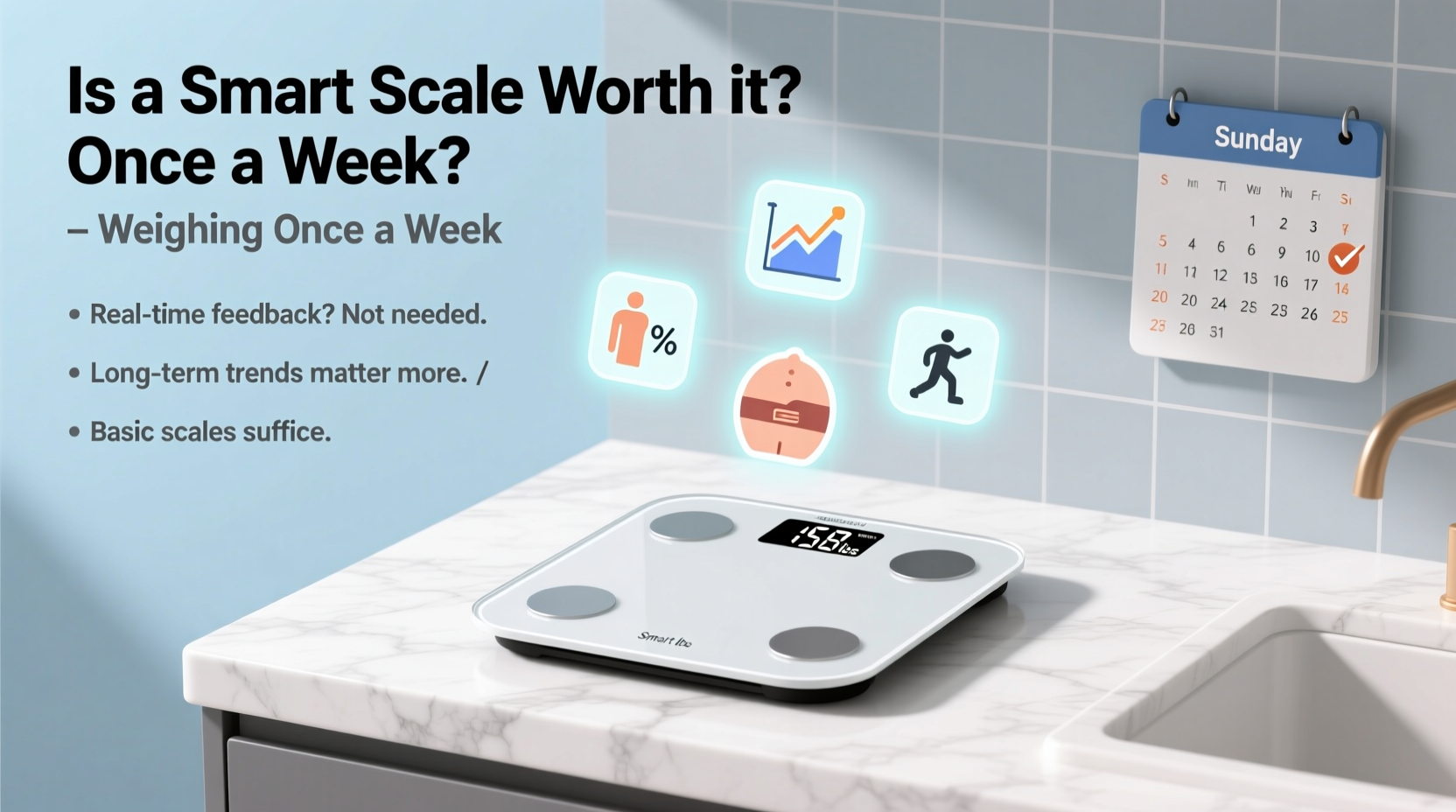
Unlike traditional bathroom scales that display only weight, smart scales use a technology called bioelectrical impedance analysis (BIA) to estimate body composition. A small, safe electrical current passes through your body when you stand barefoot on the conductive surface. The resistance encountered by this current—called impedance—helps calculate various metrics.
Common measurements include:
- Weight – Total body mass in pounds or kilograms.
- Body Fat Percentage – Estimated proportion of fat relative to total weight.
- Muscle Mass – Total skeletal muscle, often broken down by segment.
- Bone Mass – Estimated mineral content in bones.
- Body Water Percentage – Hydration level as a percentage of total weight.
- Visceral Fat Level – Deep abdominal fat linked to metabolic risk.
- Basal Metabolic Rate (BMR) – Calories burned at rest.
- Body Mass Index (BMI) – Weight-to-height ratio (though limited in accuracy).
Data syncs wirelessly via Bluetooth or Wi-Fi to smartphone apps such as Apple Health, Google Fit, or proprietary platforms like Withings or Fitbit. Multiple user profiles allow households to track individuals separately.
Weekly Use vs. Daily Tracking: Does Frequency Matter?
One common argument against smart scales for weekly users is that body composition fluctuates daily due to hydration, food intake, hormonal cycles, and activity levels. A single weekly reading may not capture trends accurately unless viewed over time.
However, consistency matters more than frequency. Even weekly data points, when collected under similar conditions, can reveal meaningful patterns over weeks and months. For example:
- A gradual decline in body fat percentage despite stable weight suggests improved body composition.
- An increase in muscle mass alongside reduced visceral fat indicates positive changes from strength training.
- Fluctuating water weight might correlate with menstrual cycles or sodium intake.
As Dr. Sarah Lin, a sports medicine physician, explains:
“Smart scales aren’t lab-grade tools, but they’re excellent for trend tracking. One-off numbers mean little. What matters is the direction over time—especially when paired with lifestyle habits.” — Dr. Sarah Lin, MD, Sports Medicine Specialist
If your goal is long-term health monitoring rather than daily obsession, weekly smart scale use aligns well with sustainable habits.
Cost-Benefit Analysis: Is the Investment Justified?
Smart scales typically range from $60 to $200+, depending on brand, features, and integration capabilities. Compare that to a basic digital scale at $20–$30. The key question: does the extra $40–$180 deliver proportional value for weekly users?
To help evaluate, consider this breakdown:
| Factor | Basic Scale | Smart Scale |
|---|---|---|
| Primary Metric | Weight only | Weight + body composition |
| Data Tracking | Manual logging required | Automatic cloud syncing |
| User Profiles | Limited or none | Supports 5–8 users |
| Integration | No app connectivity | Syncs with fitness apps |
| Accuracy (Composition) | N/A | Moderate; best for trends |
| Price Range | $15–$30 | $60–$200+ |
| Best For | Simple weight checks | Holistic health tracking |
For someone focused solely on weight, a basic scale suffices. But if you're interested in understanding *why* the number changes—or lack thereof—a smart scale offers deeper insight. For instance, maintaining weight while gaining muscle and losing fat is a win, but invisible without composition data.
Real-World Example: Maria’s Weekly Check-In Routine
Maria, a 42-year-old teacher, started using a smart scale after joining a strength training program. She weighs herself every Sunday morning, always barefoot and before breakfast. Initially skeptical, she soon noticed something surprising: her weight hadn’t dropped much in two months, but her body fat had decreased from 34% to 29%, and muscle mass increased by nearly 3 pounds.
“I almost quit because the scale wasn’t moving,” she says. “But seeing those other numbers told me I was making real progress. That kept me going.”
Maria now uses her weekly reading as a motivational anchor. She logs the data into her phone, reviews monthly summaries, and adjusts her workouts based on trends. For her, the smart scale became less about immediate results and more about long-term accountability.
This illustrates a crucial point: for non-daily users, the psychological benefit of comprehensive feedback can outweigh raw data precision.
When a Smart Scale Adds Real Value—Even Weekly
Not all users will benefit equally. Here are specific scenarios where a smart scale proves worthwhile even with weekly use:
- You’re Building Muscle: If you're strength training, weight alone is misleading. Gaining lean mass while losing fat may keep the scale steady. Composition data confirms progress.
- You’re Managing Chronic Conditions: People with heart failure, kidney disease, or obesity-related risks can track fluid retention or visceral fat trends over time.
- You Want Long-Term Baseline Data: Annual physicals don’t catch subtle shifts. Year-over-year comparisons from a smart scale can flag early warnings.
- You Share Health Goals with Others: Couples or families using shared apps can encourage each other through collective tracking.
- You Prefer Automated Logging: Manually recording weight weekly is easy to skip. Smart scales remove friction, increasing adherence.
Limitations to Keep in Mind
Despite their advantages, smart scales have notable limitations:
- Hydration Skews Results: Dehydration increases impedance, inflating body fat estimates. Drinking water before measuring distorts hydration percentages.
- Pregnancy & Medical Devices: BIA is not recommended during pregnancy or for individuals with pacemakers or implanted defibrillators.
- Segmental Inaccuracy: While some models claim to measure leg vs. arm muscle, these readings are estimates with wide error margins.
- Calibration Drift: Over time, sensors may degrade or require recalibration, especially with heavy use.
Also, avoid comparing smart scale results to DEXA scans or hydrostatic weighing—the gold standards in body composition. Smart scales offer convenience, not clinical precision.
Step-by-Step Guide to Maximizing Weekly Smart Scale Use
To get the most out of your investment—even with infrequent use—follow this routine:
- Choose a Consistent Day and Time: Pick the same day each week (e.g., Sunday morning) and stick to it.
- Prepare Your Body: Weigh yourself after using the bathroom, before eating, and ideally after a shower (dry feet).
- Stand Still on Bare Feet: Ensure full contact between footpads and skin. Avoid socks or slippers.
- Wait for All Metrics to Display: Some scales show weight first, then upload composition data seconds later.
- Review Trends, Not Single Numbers: Open your app monthly to view graphs and identify patterns.
- Pair with Other Data: Note recent workouts, sleep quality, or diet changes to contextualize shifts.
- Reassess Every 3–6 Months: Ask yourself: Is this device still helping? Has it changed your behavior positively?
Frequently Asked Questions
Can I trust the body fat percentage on a smart scale?
Smart scales provide reasonable estimates for tracking trends, but absolute values can be off by several percentage points. Don’t treat them as medical diagnostics. Instead, focus on whether the number is rising, falling, or stabilizing over time.
Do I need Wi-Fi for a smart scale to work?
No. Most smart scales use Bluetooth to sync with your phone. Wi-Fi is only needed if you want automatic syncing without opening an app or tracking multiple users across devices.
Will my data stay private?
Reputable brands like Withings, Garmin, and Eufy encrypt user data and allow local storage options. Always review privacy policies and disable cloud sharing if concerned about sensitive health information.
Checklist: Is a Smart Scale Right for You?
Answer “yes” to three or more of these to justify the purchase:
- ☐ I want to track body fat, muscle, or hydration—not just weight.
- ☐ I’m engaged in fitness or body recomposition goals.
- ☐ I prefer automatic data logging over manual journaling.
- ☐ I’m comfortable with tech and syncing devices.
- ☐ I plan to use it consistently, even if only weekly.
- ☐ I’ll review trends over time, not obsess over daily fluctuations.
Final Verdict: Yes, With Conditions
A smart scale can absolutely be worth it—even if you only weigh yourself once a week. The value lies not in frequency, but in depth. When used mindfully, it transforms a passive number into actionable insight. It helps you see beyond the scale, understand your body’s story, and make informed decisions about nutrition, exercise, and wellness.
However, it’s only worthwhile if you engage with the data meaningfully. If you’ll ignore everything except weight, or if the cost strains your budget unnecessarily, a basic scale remains a perfectly valid choice.
For those committed to holistic health, long-term tracking, and sustainable progress, a smart scale pays dividends—not in instant answers, but in gradual clarity.




 浙公网安备
33010002000092号
浙公网安备
33010002000092号 浙B2-20120091-4
Comments
No comments yet. Why don't you start the discussion?