
Sous vide cooking has long been associated with high-end restaurants and precision-driven chefs. The image of vacuum-sealed proteins gently simmering in temperature-controlled water baths evokes culinary perfection—but also complexity. For the average home cook juggling work, family, and dinner plans, the question isn’t whether sous vide produces excellent results. It’s whether it fits into a real-world routine, especially on busy weeknights.
The truth is, sous vide technology has evolved from a professional tool to an accessible kitchen appliance. With immersion circulators now available under $100 and smartphone integration becoming standard, more home cooks are wondering: Is this gadget actually useful beyond weekend experiments and dinner parties? Or is it another countertop ornament gathering dust?
The answer depends on how you define “worth it.” If your priority is restaurant-quality steaks every night with zero effort, sous vide might be overkill. But if consistency, food safety, and stress-free meal prep matter—especially when time is tight—then a sous vide immersion circulator could quietly become one of your most reliable kitchen allies.
Understanding Sous Vide: How It Works and Why It Matters
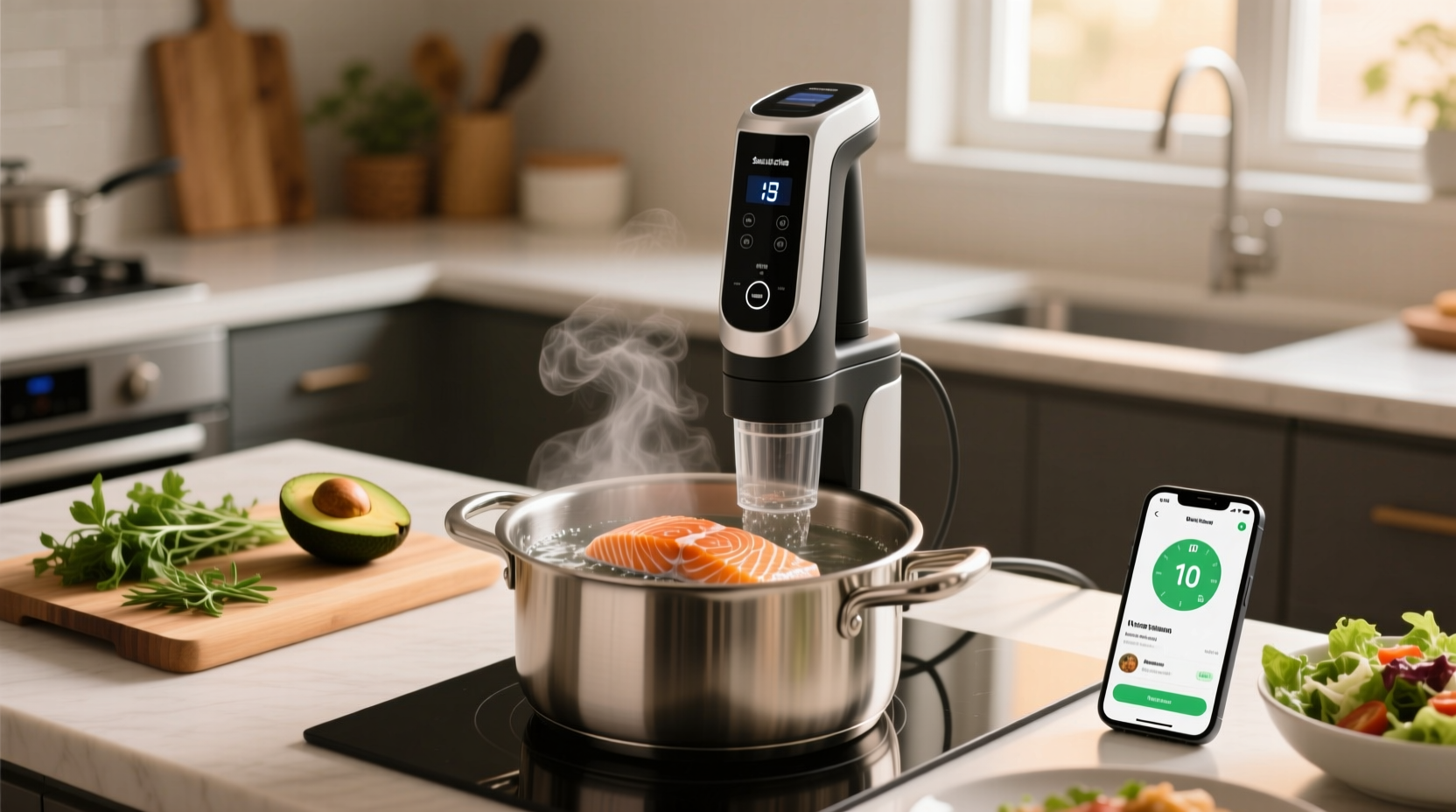
Sous vide (French for “under vacuum”) involves sealing food in airtight bags and submerging them in a water bath held at a precise, consistent temperature. Unlike traditional methods where heat fluctuates—think boiling water or a roaring oven—sous vide maintains exact control. This allows proteins to cook evenly from edge to center without overcooking, and vegetables to retain texture and nutrients.
The immersion circulator is the engine of this system. Clamped to any pot or container, it heats and circulates water to within 0.1°C of the target temperature. Once set, it runs unattended for hours, freeing you to focus on sides, cleanup, or even other tasks entirely.
What makes this method unique is its margin for error. A steak cooked at 54°C (130°F) will reach perfect medium-rare throughout—no guesswork, no carryover cooking. Even if left in for an extra hour, it won’t dry out. That kind of forgiveness is rare in conventional cooking.
“Sous vide removes the anxiety of timing. You’re not racing against the clock to pull something off the heat at the right second.” — Chef Daniel Lee, Culinary Instructor at the San Francisco Cooking School
Practical Benefits for Weeknight Dinners
At first glance, sous vide may seem too slow for weeknight use. After all, chicken breasts take about 1.5 to 2 hours, and tougher cuts like short ribs can require 24–72 hours. But that timeline only tells part of the story. The real advantage lies in predictability and multitasking efficiency.
Consider this common scenario: You arrive home at 6:30 PM, hungry and tired. With sous vide, dinner could already be on its way. If you prepped and sealed ingredients earlier—even the night before—you simply drop the bag into the water bath, set the timer, and go about your evening. No need to hover over a skillet or check the oven every ten minutes.
Moreover, sous vide excels at batch cooking. Cook four chicken breasts at once, then sear and serve two tonight, refrigerate the others for tomorrow’s salad or tacos. Because the food is pasteurized during the process, it’s safer to store and reheat than traditionally cooked leftovers.
Time Investment vs. Active Effort
One of the biggest misconceptions about sous vide is that it’s time-consuming. In reality, while total cook time may be longer, active involvement is minimal. Compare this to pan-searing a steak, which requires constant attention, oil monitoring, flipping, and resting—all while managing side dishes.
With sous vide, active time drops to minutes: season, seal, drop in, and optionally sear at the end. The rest is hands-off. This makes it ideal for households where multiple responsibilities compete for attention.
When Sous Vide Shines: Real-World Applications
To understand its value, consider specific weeknight-friendly applications where sous vide delivers clear advantages over conventional methods.
Perfect Chicken Every Time
Dry, overcooked chicken breast is a universal frustration. Sous vide eliminates that risk. Set the circulator to 63°C (145°F), cook for 1.5 hours, then quickly sear for color. Result: juicy, tender meat with no guesswork.
Effortless Weeknight Proteins
- Pork chops: Cook at 60°C (140°F) for 2–3 hours—moist, pink, and full of flavor.
- Salmon: 45°C (113°F) for 30–45 minutes yields buttery, delicate texture.
- Eggs: Soft-set yolks at 63°C or firm whites at 75°C, depending on preference.
Meal Prep and Leftovers Done Right
Sous vide is unmatched for make-ahead meals. Cook a week’s worth of proteins on Sunday, chill in the bags, and reheat in warm water when needed. Since they’re vacuum-sealed, there’s no drying out or flavor loss.
“I started using sous vide for my kids’ lunches. They get perfectly cooked chicken strips three times a week, and I don’t have to worry about uneven cooking or reheating disasters.” — Sarah Nguyen, working parent of two
Comparing Methods: Sous Vide vs. Traditional Cooking
| Cooking Method | Consistency | Active Time | Learning Curve | Best For |
|---|---|---|---|---|
| Sous Vide | ★★★★★ | Low | Moderate | Precision, meal prep, delicate proteins |
| Pan-Searing | ★★★☆☆ | High | Low-Moderate | Quick meals, crispy textures |
| Oven Roasting | ★★★☆☆ | Medium | Low | Large cuts, vegetables, sheet pans |
| Grilling | ★★☆☆☆ | Medium-High | Moderate | Weekend BBQs, smoky flavor |
| Slow Cooker | ★★★☆☆ | Low | Low | Stews, shredded meats, set-and-forget |
While sous vide scores highest in consistency and low active time, it doesn’t replace other methods—it complements them. The sear still matters. Texture variation still enhances a dish. But by handling the core cooking phase flawlessly, sous vide lets you focus on finishing touches without panic.
Setting Up for Success: A Step-by-Step Guide
Integrating sous vide into weeknight routines requires smart planning. Follow this sequence to avoid frustration and maximize efficiency.
- Choose your protein or vegetable. Start with forgiving items like eggs, salmon, or chicken breasts.
- Season and seal. Use zip-top bags with the water displacement method or a vacuum sealer. Add herbs, garlic, or oil if desired.
- Preheat the water bath. Fill a large pot or container with water, attach the circulator, and set the desired temperature (refer to trusted guides).
- Add the bag(s) and start the timer. Ensure the food is fully submerged; use a clip or weight if needed.
- Finish with a quick sear (optional but recommended). Heat a skillet or grill pan, remove food from the bag, pat dry, and sear 60–90 seconds per side for color and crust.
- Serve immediately. Sauce options: reduce bag juices with butter and lemon, or use a store-bought sauce for speed.
Common Misconceptions Debunked
Several myths deter home cooks from trying sous vide. Let’s address them directly.
- Myth: It takes too long. While some foods require hours, many weeknight proteins cook in under 90 minutes. And again, almost all of that time is passive.
- Myth: It’s only for steak. Sous vide works beautifully for eggs, vegetables, custards, tough cuts of meat, and even fruits for desserts.
- Myth: You lose the sear flavor. Not true. A quick sear after cooking adds Maillard reaction flavors—often better because the interior isn’t overcooked.
- Myth: It’s unsafe. When used correctly, sous vide is extremely safe. Temperatures above 54°C (130°F) pasteurize food over time. Always follow recommended time/temperature guidelines.
Cost-Benefit Analysis: Is It Worth the Investment?
Entry-level immersion circulators start around $70–$100. Higher-end models offer Wi-Fi, app control, and sturdier build quality. Compared to a high-end blender or air fryer, it’s a modest investment—but one that pays dividends in reliability.
Ask yourself:
- Do you frequently overcook proteins?
- Do you dread last-minute dinner decisions?
- Would you value the ability to cook now and finish later?
If you answered yes to any of these, sous vide likely offers tangible benefits. It’s not about replacing your stove—it’s about reducing stress and improving outcomes with minimal added effort.
Frequently Asked Questions
Can I use regular zip-top bags?
Yes, high-quality freezer-safe zip-top bags work well with the water displacement method. Squeeze out as much air as possible before sealing. For frequent use, consider reusable silicone bags or a vacuum sealer.
Do I really need to sear after sous vide?
Not always, but highly recommended for meats. Searing adds flavor through caramelization and improves texture. For delicate items like fish or eggs, a light sear or torch finish suffices.
Is sous vide safe for everyday use?
Absolutely. As long as food reaches safe internal temperatures for sufficient time (based on thickness), it’s pasteurized. Avoid holding food in the “danger zone” (4–60°C / 40–140°F) for more than 4 hours. Use a reliable time/temperature guide.
Checklist: Getting Started with Sous Vide on Weeknights
- ✅ Purchase a reliable immersion circulator (Anova, Joule, or similar).
- ✅ Gather a large pot or plastic container and a lid or cover (to reduce evaporation).
- ✅ Buy vacuum-sealed or reusable silicone bags (or use heavy-duty zip-top bags).
- ✅ Download a trusted sous vide app or bookmark a temperature guide.
- ✅ Start with simple recipes: eggs, salmon, chicken breast.
- ✅ Prep and seal proteins in advance when possible.
- ✅ Keep a towel and tongs nearby for safe handling.
- ✅ Have a hot pan ready for quick searing at the end.
Conclusion: A Tool for Precision, Not Perfectionism
The sous vide immersion circulator isn’t just for chefs. It’s for anyone who values consistency, safety, and simplicity in their cooking—especially when time is limited. It won’t replace the joy of grilling in summer or the comfort of a stew simmering on the stove. But it can quietly elevate your weeknight meals from hit-or-miss to reliably excellent.
You don’t need to cook everything sous vide to benefit. Even using it once or twice a week for proteins or meal prep can reduce stress, minimize food waste, and deliver results that feel special without the effort. The key is reframing it not as a gourmet indulgence, but as a practical tool—one that gives you back time, confidence, and better-tasting food.




 浙公网安备
33010002000092号
浙公网安备
33010002000092号 浙B2-20120091-4
Comments
No comments yet. Why don't you start the discussion?