
For those living in tiny homes, every square inch matters—especially during the holidays. The traditional floor-standing Christmas tree, while festive, can dominate a compact living area, making navigation difficult and aesthetics overwhelming. As more people embrace minimalist and space-efficient lifestyles, the tabletop tree has emerged as a compelling alternative. But is it truly better? This article examines the real advantages and trade-offs of tabletop trees versus floor trees in the context of tiny home living, offering practical insights for holiday decorating with intention.
Space Efficiency: Maximizing Square Footage
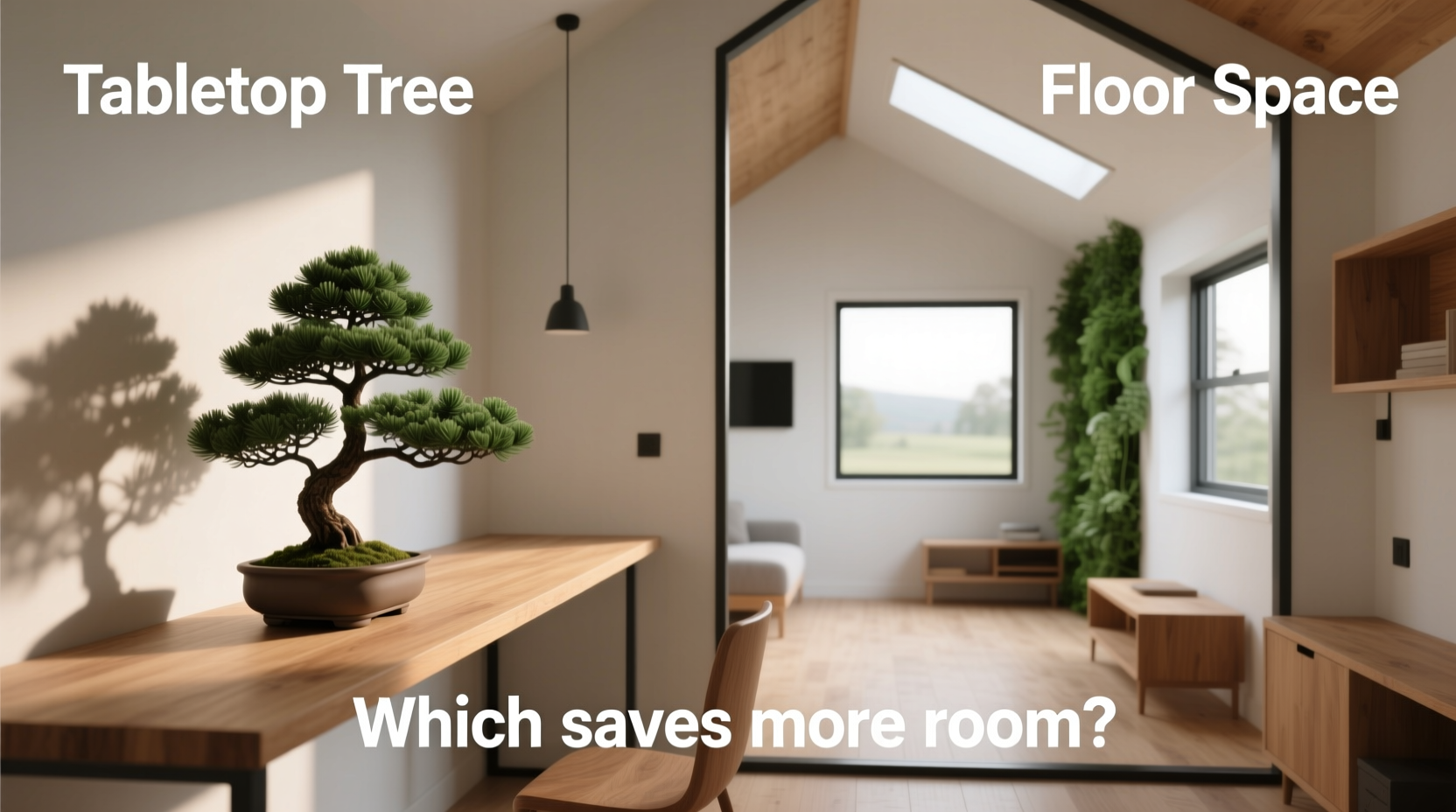
In a tiny home, spatial efficiency isn't just about convenience—it's a necessity. Most tiny homes range from 100 to 400 square feet, meaning furniture and decor must serve dual purposes or remain unobtrusive. A standard floor tree, even at a modest height of five feet, occupies valuable floor space that could be used for seating, storage, or movement.
A tabletop tree, typically ranging from 12 to 36 inches tall, sits atop existing furniture like coffee tables, consoles, or dressers. This vertical use of space frees up the floor entirely. In a studio-style tiny home where the living, sleeping, and kitchen areas overlap, eliminating a floor tree can improve traffic flow and maintain an open feel.
Moreover, smaller trees allow for multiple decorative zones. Instead of one dominant tree, you might place three small trees in different corners—a festive touch in the sleeping loft, another by the kitchen counter, and a third on the main living table. This distributed approach enhances seasonal ambiance without sacrificing functionality.
Safety and Stability Considerations
Tiny homes are often built on trailers and designed for mobility. Even when parked, slight shifts in foundation or vibrations from appliances can destabilize a freestanding floor tree. If not properly secured, a full-size tree can tip over, posing risks to pets, children, and nearby electronics.
Tabletop trees are inherently more stable due to their lower center of gravity and secure placement on flat surfaces. When anchored to sturdy furniture—especially models bolted into wall frames—they present minimal risk of falling. This makes them particularly suitable for mobile tiny homes that may travel between seasons.
“From a structural standpoint, any item above waist height in a tiny home should be secured. Tabletop trees naturally meet this safety benchmark.” — Jordan Lee, Tiny Home Architect and Builder
Additionally, electrical safety improves with smaller trees. Fewer lights mean less strain on limited electrical circuits, which is crucial in off-grid or solar-powered setups. Many tabletop trees operate on battery-powered LED lights, further reducing fire hazards and energy consumption.
Style and Aesthetic Flexibility
One common concern is whether a smaller tree diminishes the holiday spirit. The truth is, aesthetic impact depends more on styling than size. A well-decorated 24-inch tabletop tree can radiate just as much warmth as a larger model—sometimes more, because its details are closer to eye level and easier to appreciate.
Because they’re smaller, tabletop trees invite creativity. You can rotate themes annually: a rustic pinecone-and-burlap tree one year, a modern metallic design the next, or a whimsical mini village surround. Their portability also allows seasonal relocation—move the tree from the dining nook to the bathroom vanity for variety.
Furthers, in homes with high ceilings or lofts, a low tree creates intentional visual balance. It draws attention downward, grounding the space and complementing overhead storage or mezzanine levels. In contrast, a tall tree in a low-ceilinged environment can feel oppressive.
Choosing the Right Base and Theme
The container matters as much as the tree. Rather than a plastic stand, consider placing your tabletop tree in a vintage tin, wooden crate, or ceramic planter that aligns with your interior style. Fill the base with moss, pinecones, or fairy lights for added charm.
Cost and Sustainability Comparison
Tabletop trees are generally more affordable than full-size models. Artificial versions range from $20 to $60, compared to $80–$200 for premium floor trees. Even live potted saplings, which some tiny homeowners prefer for authenticity and sustainability, cost less when kept small.
They also support long-term sustainability. Smaller trees consume fewer materials, require less packaging, and are easier to store year-round. Many fit inside a single closet bin, avoiding attic crawls or outdoor sheds. This ease of storage increases the likelihood of reuse, reducing annual waste.
For eco-conscious dwellers, a tabletop tree aligns with the core principles of tiny living: reduce, reuse, and live intentionally. By choosing quality over size, you invest in a lasting piece rather than a disposable decoration.
Do’s and Don’ts: Tabletop vs. Floor Trees in Tiny Homes
| Consideration | Tabletop Tree (Do) | Floor Tree (Don’t) |
|---|---|---|
| Footprint | Uses existing furniture; no additional floor space needed | Takes up 3–5 sq ft of walkable area |
| Mobility | Easy to relocate or pack for travel | Bulky; requires disassembly for transport |
| Safety | Lower risk of tipping; ideal for homes with kids or pets | Must be wall-anchored to prevent falls |
| Energy Use | Fewer lights; often battery-operated | Higher wattage; strains small electrical systems |
| Lifespan | Easier to maintain; less wear from handling | Frequent setup/teardown leads to broken branches |
Real-Life Example: A Holiday Season in a 200-Square-Foot Home
Meet Sarah, a designer living in a 200-square-foot tiny home in Portland, Oregon. Her home features a lofted bed, a fold-down desk, and a galley kitchen. Last year, she attempted a five-foot artificial tree in the corner near her front door. While beautiful, it blocked access to her coat closet and made hosting guests awkward.
This year, she switched to a 28-inch frosted pine tabletop tree on her extendable dining table. She wrapped the base in plaid fabric and added miniature ornaments inspired by Pacific Northwest wildlife. She paired it with string lights along the ceiling beams and scented candles for ambiance.
The result? Guests commented on the “cozy cabin” feel without any sense of clutter. Sarah could still use her table for meals and work when needed, folding the tree to the side during the day. “It’s festive but not overwhelming,” she said. “I actually enjoy the season more because I’m not tripping over branches.”
Her experience reflects a growing trend: intentional celebration. By scaling down the tree, she scaled up comfort and usability—proof that smaller doesn’t mean lesser.
Step-by-Step Guide: Transitioning to a Tabletop Tree
If you're considering making the switch, follow this practical timeline to ensure a smooth transition:
- Assess Your Space (2 weeks before setup): Walk through your tiny home and identify stable, flat surfaces at varying heights. Note traffic patterns and avoid high-traffic zones.
- Select Your Tree (10 days out): Decide between artificial, live potted, or DIY options. Prioritize durability and proportion. Measure your chosen surface to ensure fit.
- Gather Decorations (7 days out): Choose ornaments under 2 inches to match scale. Use LED micro-lights for safety. Consider thematic consistency with your home’s palette.
- Assemble and Style (3–5 days before): Set up the tree in a low-traffic test area. Adjust branch spread and light distribution. Add a themed base for cohesion.
- Final Placement and Safety Check (Day of): Position the tree in its final spot. Confirm it won’t slide or tip. Test light connections and battery life.
- Post-Holiday Storage (January): Disassemble carefully. Store in a labeled, airtight container with desiccant packs to prevent dust and moisture damage.
Expert Insight: Design Philosophy for Small Spaces
The shift toward tabletop trees isn’t just practical—it reflects a broader design philosophy gaining traction in sustainable living circles.
“In small spaces, restraint is elegance. A single, well-placed object speaks louder than a room full of clutter. The tabletop tree embodies this principle perfectly.” — Lena Torres, Interior Designer Specializing in Micro-Living
Torres emphasizes that tiny home owners should focus on “meaningful moments over monumental displays.” A smaller tree encourages personalization—handmade ornaments, family heirlooms, or locally sourced elements become focal points rather than lost in a sea of branches.
FAQ: Common Questions About Tabletop Trees in Tiny Homes
Can a tabletop tree still feel festive?
Absolutely. Festivity comes from atmosphere, not size. Combine your tree with ambient lighting, seasonal scents, music, and shared rituals. A smaller tree can actually enhance intimacy, drawing people closer for ornament exchanges or storytelling.
What if I want a real tree scent?
You don’t need a full live tree to enjoy pine fragrance. Use essential oil diffusers with fir, spruce, or cedar notes. Alternatively, place fresh pine boughs around your tabletop tree or simmer citrus and cinnamon on the stove.
Are there durable artificial tabletop trees?
Yes. Look for models with hinged branch construction and metal bases. Brands like National Tree Company and Balsam Hill offer compact, high-density trees designed for repeated use. Read reviews focused on “lifelike appearance” and “sturdiness” to find quality options.
Conclusion: Rethinking Tradition for Modern Living
The question isn’t whether a tabletop tree is objectively better than a floor tree—it’s whether it better serves the values and realities of tiny home living. For most, the answer is yes. It saves space, reduces risk, lowers costs, and supports sustainable habits—all without sacrificing joy.
Holiday traditions evolve. What once required acres of tinsel and towering evergreens can now be expressed through thoughtful, scaled-down choices. The tabletop tree isn’t a compromise; it’s a refinement. It honors the spirit of the season while respecting the boundaries of a consciously designed life.




 浙公网安备
33010002000092号
浙公网安备
33010002000092号 浙B2-20120091-4
Comments
No comments yet. Why don't you start the discussion?