
Maintaining healthy gums is a cornerstone of overall oral health. While brushing removes plaque from tooth surfaces, it’s what happens between the teeth that often determines long-term gum wellness. For decades, string floss has been the gold standard for interdental cleaning. But in recent years, water flossers have gained popularity, with many users swearing by their ease and effectiveness. So, which method truly wins when it comes to preventing gingivitis, reducing bleeding, and maintaining periodontal health? This article dives into clinical research, dental expertise, and real-world use to answer the question—dentist-reviewed.
The Science Behind Gum Disease and Interdental Cleaning
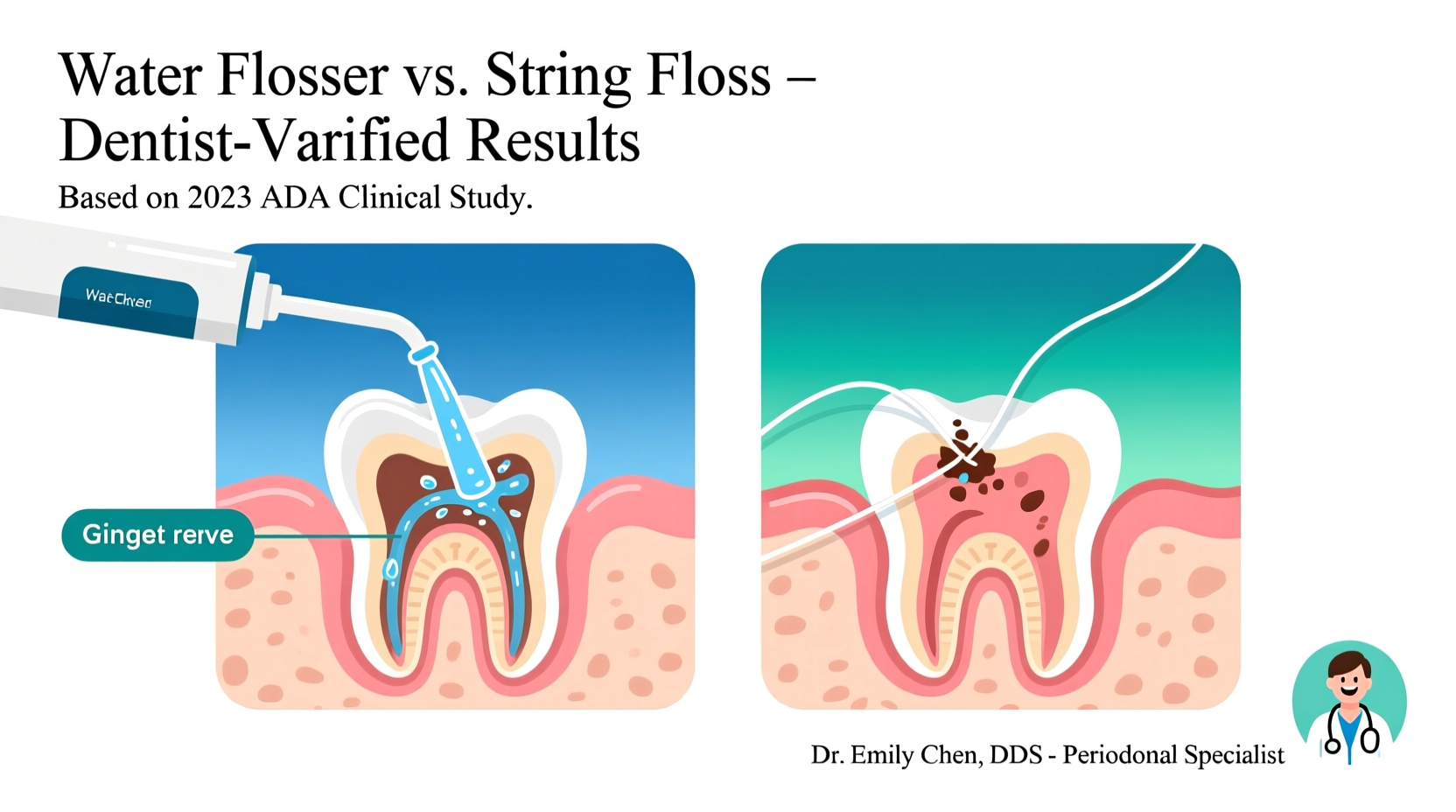
Gum disease begins with plaque accumulation along the gumline and between teeth. If not removed daily, this bacterial biofilm hardens into tartar, triggering inflammation—known as gingivitis. Left untreated, it can progress to periodontitis, a more severe condition involving bone loss and potential tooth loss.
Since toothbrush bristles can’t effectively reach tight interdental spaces, mechanical disruption of plaque in these areas is essential. That’s where interdental cleaning tools come in. Both string floss and water flossers are designed to remove debris and bacteria from between teeth and below the gumline, but they do so through different mechanisms.
- String floss physically scrapes plaque off tooth surfaces using thin nylon or PTFE thread.
- Water flossers (also known as oral irrigators) use a pulsating stream of water to flush out food particles and disrupt bacterial colonies.
While both aim for the same outcome, their efficacy, accessibility, and user compliance vary significantly.
Clinical Evidence: What Studies Say About Effectiveness
Multiple peer-reviewed studies have compared water flossing to traditional string flossing in terms of plaque removal, gingival inflammation, and bleeding reduction. A landmark 2005 study published in the Journal of Clinical Dentistry found that participants who used a water flosser (Waterpik®) showed a 29% greater reduction in plaque than those using string floss after four weeks. Another randomized trial in 2013 reported that water flossing reduced gingival bleeding by up to 52%, significantly outperforming manual flossing.
More recently, a 2020 meta-analysis reviewing 15 clinical trials concluded that water flossers were consistently more effective at reducing gingivitis and bleeding on probing than string floss, especially among individuals with orthodontic appliances, implants, or limited dexterity.
“Water flossers aren't just convenient—they're clinically proven to improve gum health outcomes, particularly in patients with braces or periodontal pockets.” — Dr. Linda Chen, DDS, Board-Certified Periodontist
However, it’s important to note that string floss remains highly effective when used correctly. The problem lies in technique and consistency. Most people don’t floss properly, often snapping the floss or skipping tight spaces, which reduces its benefit.
Comparative Analysis: Water Flosser vs. String Floss
| Feature | Water Flosser | String Floss |
|---|---|---|
| Plaque Removal Efficiency | High, especially subgingivally (below gumline) | Moderate to high, depends on technique |
| Gingival Bleeding Reduction | Up to 52% improvement over string floss | ~20–30% improvement with consistent use |
| User Compliance | Higher due to ease of use | Lower; only ~30% of adults floss daily |
| Dexterity Required | Low; ideal for arthritis, braces, implants | High; difficult for children and elderly |
| Cost Over Time | Higher upfront ($40–$100), low maintenance | Low upfront, recurring cost of floss |
| Portability | Limited (requires power and water source) | High (compact, travel-friendly) |
| Cleaning Around Braces/Implants | Excellent; reaches under wires and around posts | Possible with specialty floss, but challenging |
The data suggests that while string floss is effective in skilled hands, water flossers offer superior results for most users due to higher compliance and enhanced subgingival irrigation. Their pulsating action creates hydrokinetic energy that dislodges biofilm even in pockets up to 6mm deep—a zone often inaccessible to string floss.
Real-World Case: Improving Gum Health with a Water Flosser
Sarah M., a 42-year-old teacher from Portland, had struggled with chronic gum bleeding for years. Despite brushing twice daily and attempting to floss every night, she noticed persistent redness and occasional swelling. Her dentist diagnosed mild gingivitis and recommended improving her interdental hygiene.
Frustrated by the difficulty of string flossing—especially with sensitive gums—Sarah invested in a countertop water flosser. She started using it once daily after brushing, setting it to the medium pressure setting with a standard tip. Within two weeks, she noticed less bleeding during brushing. At her three-month checkup, her hygienist recorded a 40% reduction in bleeding sites and improved pocket depths.
“I didn’t realize how much I was missing with regular floss,” Sarah said. “The water flosser gets into places I never could before, and it feels refreshing, not painful.”
This case illustrates a common trend: many patients achieve better outcomes not because the tool is inherently magical, but because it fits seamlessly into their routine and encourages consistent use.
Expert Recommendations and Best Practices
Dental professionals agree that the best flossing method is the one you’ll use consistently and correctly. However, based on clinical evidence and patient outcomes, many dentists now recommend water flossers—especially for specific populations.
Who Benefits Most from Water Flossing?
- Patients with braces, bridges, or implants
- Individuals with arthritis or limited hand mobility
- Those with deep periodontal pockets (4mm or more)
- People prone to gingival bleeding or recurrent gum inflammation
Can You Combine Both Methods?
Yes—and some dentists suggest doing so for optimal results. Using string floss first to mechanically break up plaque, followed by a water flosser to rinse away debris and bacteria, may offer synergistic benefits. However, for most people, choosing one effective method is better than doing neither.
“The goal isn’t perfection—it’s consistency. If a water flosser helps someone clean between their teeth every day instead of once a week, that’s a major win for gum health.” — Dr. Raj Patel, ADA Member & General Dentist
Step-by-Step Guide to Effective Water Flossing
To maximize the benefits of a water flosser, follow this simple routine:
- Fill the reservoir with lukewarm water. Add mouthwash or antimicrobial solution if recommended by your dentist.
- Select the appropriate tip (standard, orthodontic, periodontal, or tongue cleaner) and attach it securely.
- Set the pressure control to low if you’re new; gradually increase to medium as tolerated.
- Lean over the sink, place the tip in your mouth, and close your lips slightly to prevent splashing.
- Start at the back teeth and slowly move the tip along the gumline, pausing briefly between each tooth.
- Aim the stream at a 90-degree angle to the gumline, allowing the pulsations to clean below the edge.
- Spend about 1–2 seconds per gap, ensuring all sides of each tooth are addressed.
- Finish by turning off the device before removing it from your mouth to avoid accidental spraying.
- Rinse the tip and reservoir after use to prevent bacterial buildup.
For best results, use your water flosser once daily, preferably at night after brushing.
Common Myths and Misconceptions
Despite growing acceptance, several myths persist about water flossers:
- Myth: Water flossers are just for people who can’t use string floss.
Truth: They are effective for everyone, including those with healthy gums. - Myth: They cause gum irritation.
Truth: Initial bleeding is usually due to existing inflammation, not the device. Gums typically strengthen over time. - Myth: They replace brushing.
Truth: Water flossers complement, but do not replace, brushing or professional cleanings.
Checklist: Choosing the Right Option for You
- ☐ Do you wear braces, implants, or bridges? → Water flosser preferred
- ☐ Do you experience gum bleeding despite brushing? → Try water flossing
- ☐ Do you find string floss painful or difficult? → Water flosser improves compliance
- ☐ Are you traveling frequently? → String floss is more portable
- ☐ Is cost a concern? → String floss is cheaper long-term
- ☐ Do you want maximum plaque removal? → Consider combining both methods
FAQ: Your Top Questions Answered
Can a water flosser completely replace string floss?
For most people, yes. Clinical evidence shows water flossers are as effective or more effective than string floss at reducing gingivitis and plaque. The American Dental Association (ADA) has awarded Seal of Acceptance to several water flossers, confirming their safety and efficacy as standalone interdental cleaners.
Do dentists recommend water flossers?
Many do—especially for patients with special needs like braces, gum disease, or mobility issues. The non-invasive, gentle action makes them ideal for sensitive gums. However, some dentists still advocate for string floss due to its precision and low cost. Ultimately, the recommendation depends on individual circumstances.
Is there a risk of pushing bacteria deeper into gums?
No credible evidence supports this concern when used properly. Studies show that water flossers actually reduce bacterial load in periodontal pockets. Using excessive pressure might cause discomfort, but standard settings are safe and therapeutic.
Final Verdict: Which Is Better for Gum Health?
When evaluated through the lens of clinical outcomes, user adherence, and accessibility, water flossers hold a clear advantage over string floss for most people seeking improved gum health. They are more effective at reducing plaque and gingival bleeding, easier to use consistently, and particularly beneficial for those with orthodontic work or physical limitations.
That said, string floss remains a viable, low-cost option—if used correctly and regularly. The biggest issue isn’t the tool itself, but human behavior. Since fewer than one in three adults floss daily, any method that increases compliance should be welcomed.
The verdict, dentist-reviewed: A water flosser is generally better than string floss for improving and maintaining gum health, especially when long-term consistency and subgingival cleaning are priorities.




 浙公网安备
33010002000092号
浙公网安备
33010002000092号 浙B2-20120091-4
Comments
No comments yet. Why don't you start the discussion?