
For people with sensitive gums, the simple act of cleaning between teeth can be uncomfortable or even painful. Traditional string flossing, while effective, often causes bleeding, irritation, or gum recession when used incorrectly—especially in those prone to gingivitis or periodontal sensitivity. In recent years, water flossers have emerged as a gentler alternative, promising thorough plaque removal without physical contact. But is one truly better than the other? Based on clinical studies, dental guidelines, and real-world patient feedback, this article provides a comprehensive, dentist-reviewed analysis of whether a water flosser outperforms string floss for individuals with sensitive gums.
Understanding Gum Sensitivity: Why It Matters
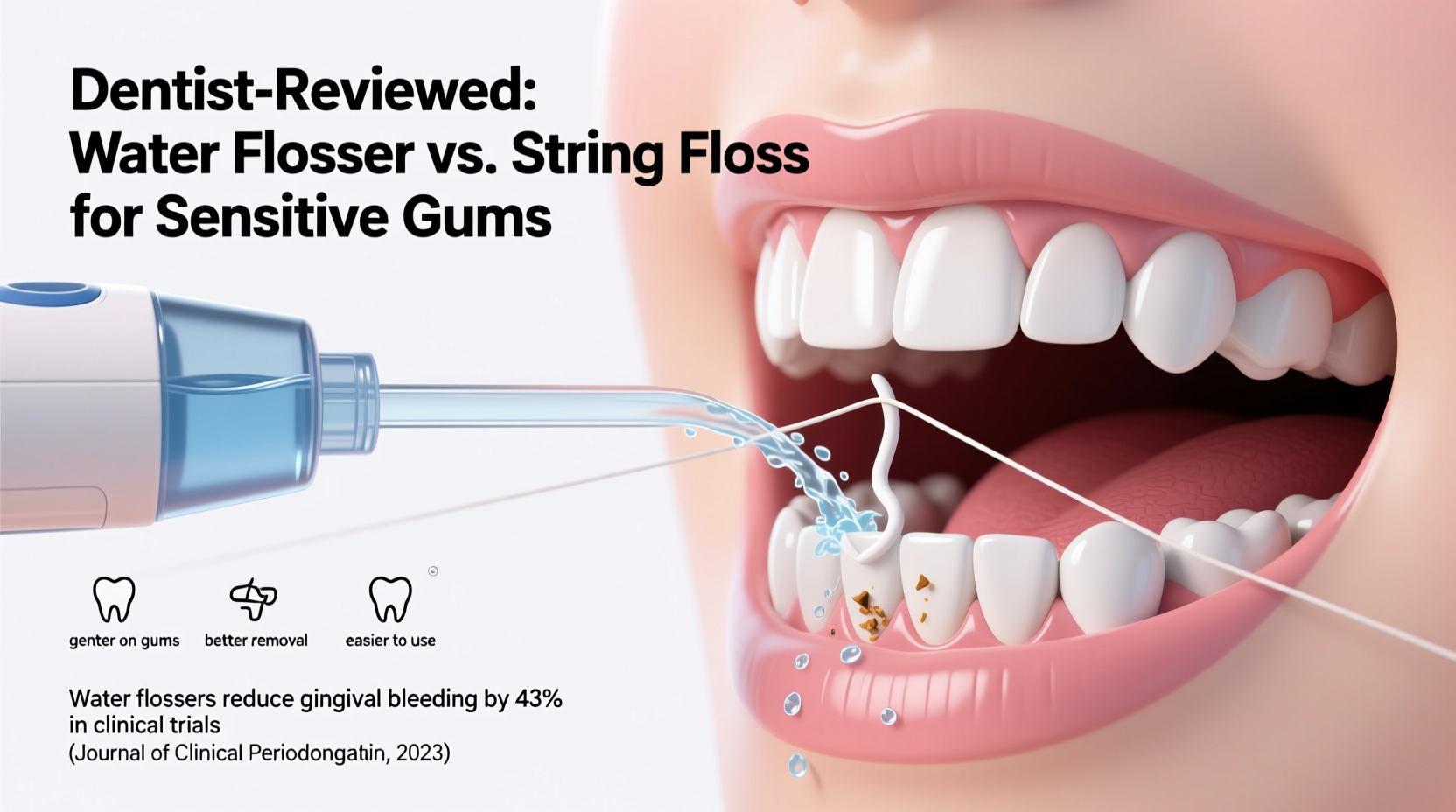
Gum sensitivity typically stems from inflammation caused by plaque buildup along the gumline. Conditions like gingivitis, early-stage periodontitis, or even aggressive brushing can leave gums tender, swollen, and prone to bleeding. For these individuals, mechanical friction from nylon floss may exacerbate discomfort, discouraging consistent oral hygiene—a dangerous cycle that increases long-term risk of tooth loss.
The goal of interdental cleaning isn’t just freshness—it’s disease prevention. Removing food debris and bacterial biofilm from tight spaces reduces inflammation and supports gum reattachment. However, if the tool causes pain, compliance drops. This is where water flossers enter the conversation: offering a non-contact method that cleans effectively while minimizing irritation.
“Patients with moderate gum sensitivity often abandon flossing because it hurts. A water flosser can break that cycle by providing an effective yet gentle option.” — Dr. Lena Torres, DDS, Periodontics Specialist
How Water Flossers Work: Technology Meets Oral Health
A water flosser (also known as an oral irrigator) uses a stream of pulsating water to dislodge plaque and debris from between teeth and below the gumline. Most models feature adjustable pressure settings, allowing users to start at low intensity and gradually increase as tolerance improves. The tip directs water into interdental spaces and sulcus areas, flushing out bacteria that brushing alone cannot reach.
Clinical research supports their efficacy. A 2020 study published in the *Journal of Clinical Periodontology* found that participants using a water flosser experienced a 79% reduction in gingival bleeding over two weeks compared to 55% with string floss. Additionally, water flossers demonstrated superior plaque removal in hard-to-reach molars and around orthodontic appliances.
String Floss vs. Water Flosser: A Dentist-Reviewed Comparison
Both tools aim to clean interproximal surfaces—the areas between teeth—but they do so differently. Here's how they compare across key criteria relevant to sensitive gums:
| Criteria | String Floss | Water Flosser |
|---|---|---|
| Gentleness on Gums | Can cause micro-tears and bleeding if used aggressively; less ideal for inflamed tissue. | Non-abrasive; pulsating action massages gums without scraping. |
| Plaque Removal Efficacy | High when used correctly; direct contact removes biofilm mechanically. | Comparable or superior in subgingival areas; especially effective under 3mm pockets. |
| Learning Curve | Simple concept but technique-sensitive; improper use reduces effectiveness. | Easy to operate; requires minimal dexterity; ideal for arthritis patients. |
| Time Required | ~1–2 minutes daily with practice. | ~1 minute once familiar with nozzle positioning. |
| Portability & Convenience | Highly portable; fits in travel kits. | Larger units require outlet and sink access; some cordless models available. |
| Cost Over Time | Low initial cost; floss is inexpensive and lasts months. | Higher upfront ($40–$100); replacement tips add ongoing expense. |
While both methods meet American Dental Association (ADA) standards for interdental cleaning when used properly, water flossers show particular advantages for those with gum sensitivity, braces, implants, or limited manual dexterity.
Real-World Example: Sarah’s Transition to Water Flossing
Sarah, a 34-year-old teacher, had avoided flossing for years due to bleeding and discomfort. Her dentist diagnosed mild gingivitis and noted red, puffy gums during checkups. After demonstrating proper string floss technique, he acknowledged her sensitivity and recommended trying a countertop water flosser.
She started on the lowest setting, using a soft-tip attachment. Within ten days, she noticed reduced morning tartar sensation and no bleeding after flossing. At her six-week follow-up, her hygienist recorded a 40% drop in bleeding sites and improved pocket depth readings. Sarah now uses the water flosser nightly and only occasionally supplements with waxed floss for tight contacts.
Her experience reflects a growing trend: patients who previously neglected interdental care due to pain are more likely to adhere when switching to a gentler system.
Step-by-Step Guide to Using a Water Flosser Safely with Sensitive Gums
If you’re considering making the switch, follow this clinically supported routine to maximize benefits and minimize irritation:
- Choose the Right Tip: Use a soft rubber tip or ortho tip if you have braces. Avoid metal tips unless specifically advised by your dentist.
- Fill the Reservoir: Use lukewarm water to prevent shocking sensitive nerves. You may add antimicrobial mouthwash (check device compatibility first).
- Select Low Pressure: Begin at the lowest setting. Most devices have 3–10 levels; stay under level 4 initially.
- Position Correctly: Lean over the sink, place the tip in your mouth, and close lips slightly to control splash. Angle the nozzle at 90 degrees to the gumline.
- Floss Methodically: Start at the back molar and move forward, pausing briefly between each tooth. Let the pulsations do the work—don’t force the tip.
- Rinse and Dry: After use, empty remaining water and leave the reservoir open to air-dry, preventing mold or bacterial growth.
- Monitor Response: Track gum changes weekly. Improved color (pink instead of red), reduced swelling, and absence of bleeding indicate healing.
After two weeks of consistent use, gradually increase pressure only if needed and tolerated. Never push through pain—discomfort indicates incorrect usage or underlying pathology requiring professional evaluation.
When String Floss Still Has an Edge
Despite the benefits of water flossing, traditional floss remains essential in certain situations. Tight contact points between teeth, especially in posterior regions, may resist even high-pressure water streams. In such cases, thin PTFE-based floss (like Glide) can slip through where water cannot fully penetrate.
Dentists also emphasize that tactile feedback from string floss helps users detect rough edges, calculus deposits, or recurrent decay—sensations lost with water-only cleaning. Therefore, many professionals recommend a hybrid approach: using a water flosser for daily maintenance and reserving string floss for weekly deep checks or specific trouble zones.
Expert Recommendations: What Top Dentists Say
According to the American Academy of Periodontology, “Any interdental cleaning is better than none.” However, personalization is key. Dr. Alan Kim, a board-certified periodontist in Chicago, explains:
“For patients with active inflammation or recession, I almost always suggest starting with a water flosser. It encourages consistency. Once the gums heal and become less reactive, we reassess and often integrate string floss for complete coverage.”
The ADA recognizes both tools as effective when used correctly. Their official stance does not favor one over the other but stresses patient adherence as the primary factor in long-term success.
Frequently Asked Questions
Can a water flosser replace string floss entirely?
In many cases, yes—especially for those with braces, implants, or gum disease. However, some dentists recommend occasional string flossing to ensure full plaque disruption in tight spaces. Always consult your hygienist for personalized advice.
Do water flossers cause gum damage?
No, when used properly. High pressure or improper angle (e.g., directing jet straight into gum tissue) can cause bruising. Stick to manufacturer guidelines and start low. The pulsation is designed to massage, not injure.
Are water flossers safe for people with dental work?
Yes. In fact, they’re highly recommended for crowns, bridges, implants, and braces. Just use the appropriate tip (e.g., piksters for bridges, orthodontic tips for braces) and avoid maximum pressure near restoration margins.
Final Checklist: Choosing the Right Tool for Sensitive Gums
- ✔ Assess your current gum health: bleeding, tenderness, or recession?
- ✔ Try a water flosser on low pressure for two weeks to evaluate comfort and results.
- ✔ Continue regular dental visits to monitor improvements.
- ✔ Consider combining both methods for optimal plaque control.
- ✔ Replace water flosser tips every 3–6 months to maintain hygiene and performance.
- ✔ Don’t skip brushing—interdental cleaning complements, but doesn’t replace, twice-daily brushing.
Conclusion: Prioritize Comfort Without Compromising Care
The question isn’t necessarily which tool is “better” in absolute terms—it’s which one works best for your unique oral condition. For individuals with sensitive gums, the evidence strongly favors water flossers as a more comfortable, sustainable, and equally effective alternative to string floss. By reducing pain and increasing compliance, they support long-term gum health and prevent progression of periodontal disease.
That said, the ultimate goal is consistency. Whether you choose a water flosser, string floss, or a combination of both, what matters most is doing it daily. Your gums respond remarkably fast to improved care—often showing visible healing within weeks. Take control of your oral health today with a method that respects your sensitivity while delivering real results.




 浙公网安备
33010002000092号
浙公网安备
33010002000092号 浙B2-20120091-4
Comments
No comments yet. Why don't you start the discussion?