
Maintaining oral hygiene is non-negotiable when it comes to long-term dental health, but for people with sensitive gums, the act of flossing can be uncomfortable or even painful. Traditional string floss has long been the gold standard for removing plaque between teeth, but water flossers—also known as oral irrigators—have gained popularity in recent years, especially among those with gum sensitivity, braces, or dental implants. But is a water flosser actually better than string floss for sensitive gums? Dentists across specialties have weighed in, offering evidence-based perspectives that help clarify the real benefits and limitations of each method.
Understanding Gum Sensitivity and Its Causes
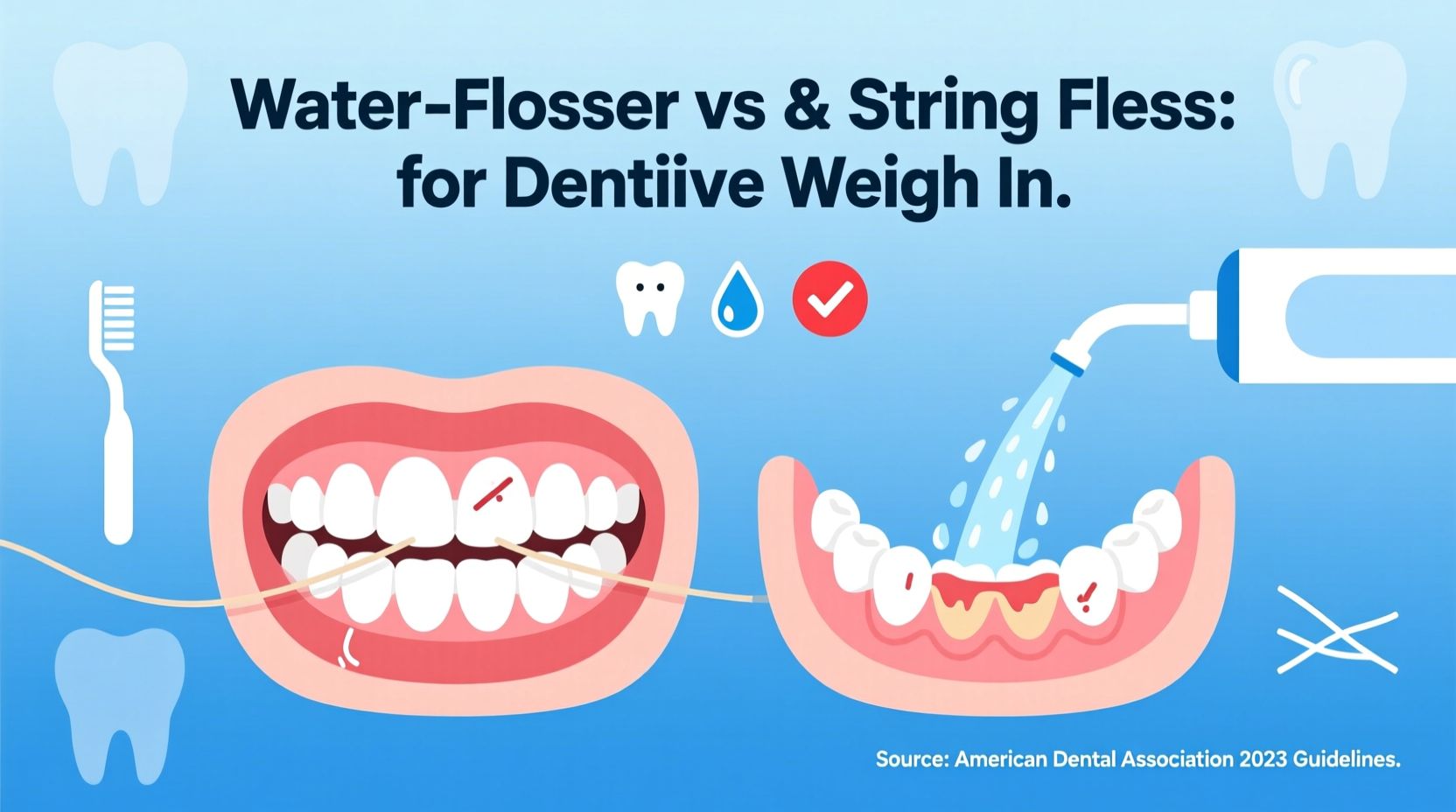
Gum sensitivity often stems from inflammation caused by plaque buildup along the gumline. This condition, known as gingivitis, leads to redness, swelling, and bleeding during brushing or flossing. Other factors contributing to gum sensitivity include aggressive brushing, hormonal changes, certain medications, smoking, and conditions like diabetes. For these individuals, traditional flossing may feel harsh or cause discomfort, leading many to seek gentler alternatives.
The goal of interdental cleaning—cleaning between teeth—is to disrupt bacterial colonies before they harden into tartar, which can only be removed professionally. While both string floss and water flossers aim to achieve this, their mechanisms differ significantly, affecting comfort, efficacy, and suitability for sensitive tissues.
How Water Flossers Work: Technology Meets Oral Care
A water flosser uses a stream of pulsating water to remove food particles, bacteria, and plaque from between teeth and below the gumline. The device typically consists of a reservoir, motorized pump, and a handheld tip that directs the water flow. Most models offer adjustable pressure settings, allowing users to start gently and increase intensity as tolerance improves.
Unlike string floss, which physically scrapes plaque off tooth surfaces, water flossers rely on hydrodynamic action. The pulsations create turbulence that dislodges debris without direct contact, making them particularly appealing to people with tender gums, orthodontic appliances, bridges, or implants.
Clinical studies support their effectiveness. A 2013 study published in the *Journal of Clinical Dentistry* found that water flossers were up to 50% more effective than string floss at reducing gingival bleeding in participants with gingivitis. Another study showed that using a water flosser with an antimicrobial solution reduced subgingival bacteria more effectively than floss alone.
String Floss: The Traditional Standard
Dental professionals have recommended string floss for decades because it provides direct mechanical removal of plaque biofilm. When used correctly—with a C-shape wrap around each tooth and a gentle sawing motion followed by up-and-down strokes—it reaches areas no brush can touch.
However, proper technique is critical. Many people simply snap floss between teeth without curving it, which can traumatize the gum tissue and lead to recession over time. For those with dexterity issues—such as arthritis patients or older adults—manipulating thin string between back teeth can be difficult, leading to inconsistent use.
Despite its challenges, string floss remains highly effective when used properly. It’s also inexpensive, portable, and doesn’t require electricity or maintenance beyond disposal after use.
“Flossing isn’t optional—it’s essential. Whether you choose string or water, what matters most is consistency. For sensitive gums, though, a water flosser can lower the barrier to daily use.” — Dr. Lena Patel, Periodontist and Clinical Instructor at NYU College of Dentistry
Comparing Effectiveness: Water Flosser vs. String Floss
When evaluating which tool works better for sensitive gums, two key factors emerge: clinical efficacy and user compliance.
Efficacy refers to how well a method removes plaque and reduces inflammation. Compliance refers to how likely someone is to use the tool regularly. A less effective tool used daily may outperform a superior one used sporadically.
To break this down clearly, here's a comparison table summarizing key aspects:
| Feature | Water Flosser | String Floss |
|---|---|---|
| Plaque Removal Between Teeth | Good (up to 99.9% reduction with consistent use) | Excellent (direct contact removes biofilm effectively) |
| Gentleness on Sensitive Gums | Excellent (non-contact, adjustable pressure) | Fair to Poor (can irritate if technique is incorrect) |
| Ease of Use with Braces/Implants | Excellent (reaches under wires and around posts) | Moderate (requires specialized floss like super floss) |
| Cost Over Time | Higher (device + replacement tips) | Low (inexpensive and widely available) |
| Portability | Limited (needs power and water source) | High (compact, travel-friendly) |
| User Compliance | Higher (gentle experience encourages daily use) | Lower (only ~30% of adults floss daily) |
While string floss edges out water flossers in raw plaque removal, water flossers win in patient adherence—especially among those with sensitivity or complex dental work. And in dentistry, consistency often trumps perfection.
Expert Recommendations: What Dentists Actually Say
Many dental professionals now advocate for a personalized approach. Rather than insisting on one universal method, they assess individual needs, anatomy, and lifestyle.
Dr. Carlos Mendez, a general dentist in Austin, Texas, explains: “I used to tell every patient to floss with string. But I’ve changed my tune. If someone tells me their gums hurt when they floss, I recommend trying a water flosser first. Once their inflammation goes down, some transition back to string. Others stick with water—and that’s fine. The bottom line is clean interdental spaces, not the tool used.”
Periodontists—who specialize in gum disease—often take a hybrid stance. They may recommend starting with a water flosser to reduce inflammation, then incorporating string floss once gums are healthier. Some suggest using both: water flossing first to flush out debris, followed by string floss for final plaque disruption.
“The water flosser isn’t a replacement for string floss in all cases, but it’s a powerful adjunct—especially for patients who’ve given up on flossing due to pain.” — Dr. Anita Rao, Board-Certified Periodontist
Mini Case Study: Sarah’s Journey with Sensitive Gums
Sarah, a 34-year-old teacher from Portland, had always avoided flossing. “My gums would bleed every time,” she recalls. “I thought I was doing something wrong, so I just stopped.” After developing persistent bad breath and noticing her gums were receding, she visited her dentist, who diagnosed mild gingivitis.
Instead of prescribing traditional floss, her hygienist suggested a countertop water flosser with the lowest pressure setting. Sarah started using it once a day after brushing. Within two weeks, bleeding decreased. By week four, her gums looked pinker and felt firmer.
At her follow-up appointment, her hygienist noted a 60% reduction in bleeding sites. “She hadn’t cured her gingivitis completely, but she’d made significant progress—simply because she was finally cleaning between her teeth consistently,” the hygienist said.
Sarah still uses the water flosser daily. She tried string floss again six months later and found it much more comfortable—but she prefers the water system for its ease and soothing effect.
Step-by-Step Guide: Transitioning to a Water Flosser for Sensitive Gums
If you're considering switching to a water flosser due to gum sensitivity, follow this practical timeline:
- Week 1: Start Low and Slow
Select the lowest pressure setting. Fill the reservoir with warm water. Lean over the sink and place the tip in your mouth before turning it on. Begin at the back molars and move forward, pausing briefly between each tooth. - Week 2: Establish Routine
Use the water flosser daily, preferably at night after brushing. Increase pressure slightly if no irritation occurs. Aim for 60–90 seconds total. - Week 3: Add Antimicrobial Option (Optional)
Replace plain water with an alcohol-free mouthwash (e.g., chlorhexidine or cetylpyridinium chloride) to enhance antibacterial effects. Do not use regular mouthwash containing alcohol—it can dry tissues. - Week 4: Reassess Gum Response
Check for reduced redness, firmness of gums, and absence of bleeding. Schedule a dental checkup to evaluate improvement. - Month 2+: Consider Combining Methods
If gums are healthier, try adding string floss to one quadrant per night, rotating areas. Alternatively, continue with water flossing as your primary method.
FAQ: Common Questions About Water Flossers and Sensitive Gums
Can a water flosser replace string floss entirely?
For most people with healthy mouths, string floss is slightly more effective at removing plaque biofilm. However, for those with sensitivity, braces, or implants, a water flosser can be an acceptable standalone alternative—especially if it means they’ll clean between teeth daily. Some dentists recommend combining both for optimal results.
Do water flossers damage gums?
No, when used correctly. High pressure or improper angle can cause discomfort, but modern devices are designed with safety in mind. Always start at the lowest setting and avoid directing the jet straight into gum pockets unless advised by your dentist.
Are water flossers safe for children?
Yes, especially for kids with braces or difficulty handling string floss. Use a pediatric tip and supervise young children to prevent choking or misuse. Many parents find water flossers make interdental care easier to integrate into nightly routines.
Final Verdict: Which Is Better for Sensitive Gums?
Based on clinical research and expert consensus, water flossers are generally better than string floss for people with sensitive gums—not necessarily because they remove more plaque, but because they enable consistent, pain-free cleaning. The reduction in inflammation, bleeding, and discomfort encourages long-term adherence, which is the ultimate goal of any oral hygiene routine.
That said, the \"best\" tool is the one you’ll use every day. For some, that’s still string floss. For others, especially those with tenderness, orthodontia, or dexterity issues, a water flosser offers a realistic, effective alternative.
The takeaway isn’t about choosing sides—it’s about choosing what works for your body, your lifestyle, and your commitment to gum health.




 浙公网安备
33010002000092号
浙公网安备
33010002000092号 浙B2-20120091-4
Comments
No comments yet. Why don't you start the discussion?