
For millions of people with sensitive gums, the daily ritual of flossing can be anything but pleasant. Bleeding, tenderness, and discomfort often turn what should be a simple hygiene task into an unpleasant chore. As dental technology advances, many are turning to water flossers as a gentler alternative to traditional string floss. But is this modern tool truly more effective and kinder on delicate gum tissue? The answer depends on several factors, including individual oral health conditions, technique, and consistency. This article examines the science, user experience, and expert recommendations behind both methods to help you make an informed decision.
Understanding Gum Sensitivity
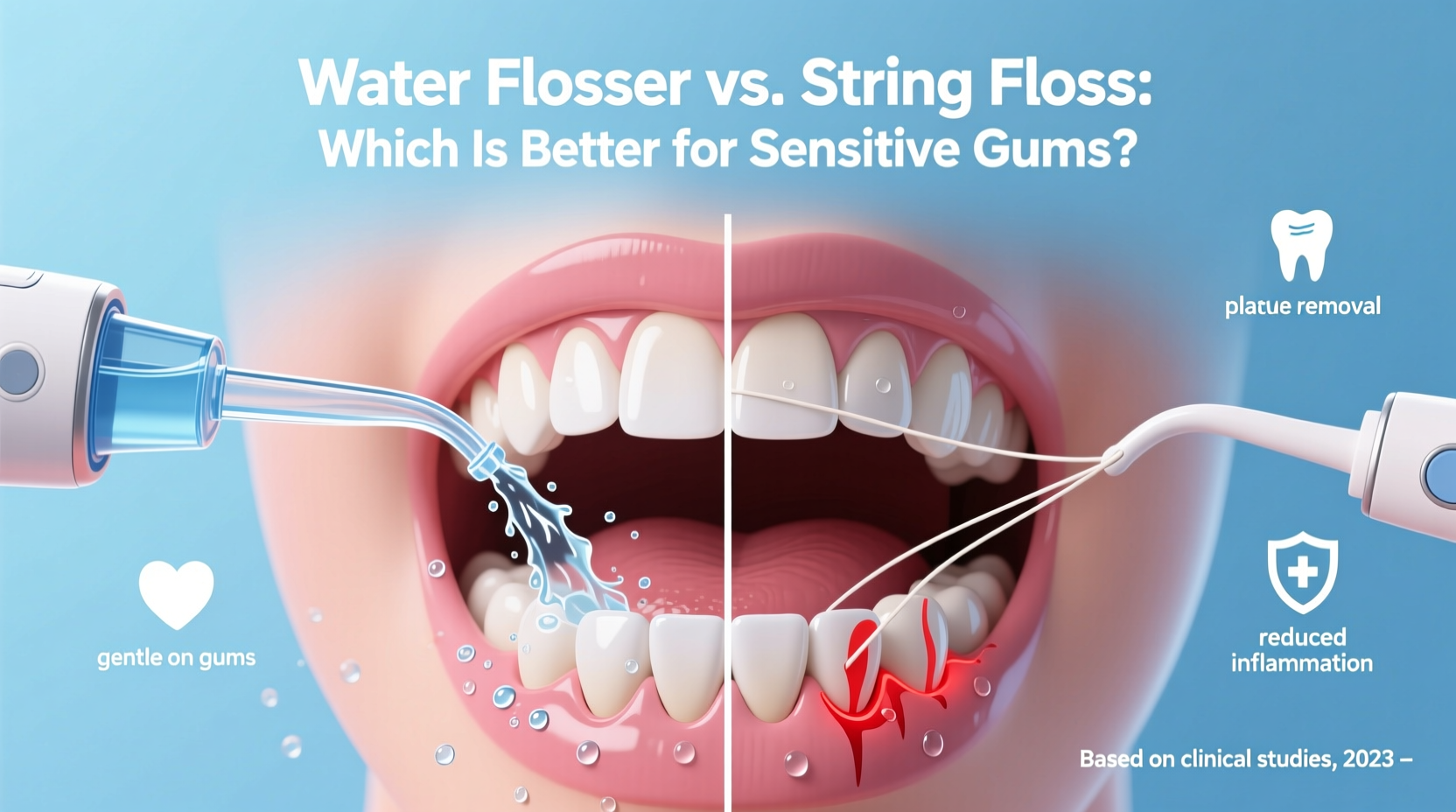
Gum sensitivity is not just a minor inconvenience—it’s often a sign of underlying inflammation or early-stage gum disease. Common causes include gingivitis, aggressive brushing, hormonal changes, certain medications, and even genetics. When gums are inflamed or receding, the act of sliding string floss between teeth can cause micro-tears, leading to pain and bleeding. Over time, this discomfort may discourage consistent flossing, creating a cycle that worsens oral health.
The American Dental Association (ADA) emphasizes that interdental cleaning—removing plaque between teeth—is essential, regardless of gum sensitivity. However, the method matters. For those with tender gums, minimizing irritation while maximizing plaque removal becomes the primary goal.
How Water Flossers Work
A water flosser, also known as an oral irrigator, uses a stream of pulsating water to remove food particles, bacteria, and plaque from between teeth and below the gumline. Unlike string floss, it doesn’t require physical contact with the gum tissue, reducing mechanical trauma. Most models allow users to adjust pressure settings, making them adaptable for different sensitivity levels.
Research supports their effectiveness. A 2013 study published in the Journal of Clinical Dentistry found that water flossers removed up to 29% more plaque than manual string floss when used consistently over two weeks. Additionally, participants with gingivitis showed significantly reduced bleeding and inflammation after using a water flosser daily.
Water flossers are particularly beneficial for individuals with braces, implants, crowns, or periodontal pockets—conditions where string floss may be difficult or painful to use. The targeted spray can reach areas that traditional floss might miss, especially in tight or uneven spaces.
Traditional String Floss: Benefits and Drawbacks
String floss has long been the gold standard for interdental cleaning. Made from nylon or PTFE, it physically scrapes plaque off tooth surfaces through friction. When used correctly—with a gentle C-shape motion around each tooth—it can effectively clean tight contacts.
However, its drawbacks become pronounced for those with sensitive gums. Aggressive or improper flossing can lead to gum recession, abrasion, and increased bleeding. Moreover, many people either skip flossing altogether or perform it incorrectly due to discomfort or lack of dexterity.
Despite these challenges, string floss remains highly portable, inexpensive, and does not require electricity or refills. It also provides tactile feedback, allowing users to feel plaque buildup—a feature absent in water flossing.
“While string floss is effective when used properly, many patients struggle with compliance due to pain. For these individuals, a water flosser offers a viable, evidence-based alternative.” — Dr. Linda Chen, Periodontist and Clinical Instructor at NYU College of Dentistry
Comparative Analysis: Water Flosser vs. String Floss
| Feature | Water Flosser | Traditional String Floss |
|---|---|---|
| Gentleness on Gums | High – no direct contact, adjustable pressure | Low to Moderate – friction can irritate sensitive tissue |
| Plaque Removal Efficiency | High – especially below gumline and around restorations | High – when used correctly with proper technique |
| Bleeding Reduction | Significant improvement shown in clinical studies | Moderate – improves with consistent, gentle use |
| Learning Curve | Low – easy to operate, minimal technique required | High – requires correct angle and motion |
| Portability | Low – requires power and water source | High – compact, travel-friendly |
| Cost Over Time | Higher initial cost, replacement tips add expense | Very low – inexpensive and widely available |
| Ideal For | Sensitive gums, braces, implants, arthritis, deep pockets | Healthy gums, tight contacts, budget-conscious users |
Real-World Example: Sarah’s Transition to Water Flossing
Sarah, a 38-year-old teacher, had avoided flossing for years due to painful bleeding every time she tried. Her dentist diagnosed her with mild gingivitis and recommended switching to a water flosser. Skeptical at first, she began using a countertop model on the lowest pressure setting after brushing each night.
Within two weeks, she noticed less bleeding. By week four, her gums felt firmer and no longer bled during routine brushing. After three months, her hygienist commented on the improved tissue health and reduced pocket depth. “I finally feel like I’m doing something right for my mouth,” Sarah said. “It’s not perfect, but it’s sustainable.”
Her experience reflects a common trend: when comfort increases, so does adherence. For many, this shift leads to measurable improvements in gum health over time.
Step-by-Step Guide to Using a Water Flosser Effectively
If you're considering trying a water flosser, follow this proven routine for optimal results:
- Fill the reservoir with warm water. You may add an antibacterial rinse if recommended by your dentist, but plain water is sufficient for most users.
- Select the appropriate tip. Use a standard jet tip for general cleaning, a periodontal tip for deep pockets, or an orthodontic tip if you have braces.
- Start on the lowest pressure setting, especially if you have sensitive gums. You can gradually increase as tolerance builds.
- Lean over the sink and place the tip in your mouth before turning the device on to avoid splashing.
- Position the nozzle at a 90-degree angle to the gumline, starting at the back molars. Move slowly from tooth to tooth, pausing briefly between each space.
- Follow the gumline around each tooth, ensuring the water reaches both the cheek and tongue sides.
- Take your time—spend at least 60 seconds covering all quadrants of your mouth.
- Empty and rinse the reservoir after use to prevent bacterial growth. Store the unit upright and let tips air-dry.
Can You Use Both? Combining Methods for Optimal Results
Some dental professionals advocate for a hybrid approach: using a water flosser for daily cleaning and string floss occasionally for tight spaces where the water stream may not fully dislodge stubborn plaque. This combination leverages the strengths of both tools.
For example, water flossing excels at flushing out debris from beneath the gums and around complex dental work, while string floss provides superior surface scraping in narrow gaps. Used together, they offer comprehensive coverage.
However, for individuals with extreme sensitivity or limited dexterity, relying solely on a water flosser is still far better than skipping interdental cleaning altogether. Consistency trumps perfection in oral hygiene.
Frequently Asked Questions
Can a water flosser replace string floss completely?
Yes, for most people—including those with sensitive gums—a water flosser can effectively replace string floss. The ADA recognizes water flossers as equivalent to traditional floss for reducing gingivitis and plaque when used properly. However, in cases of extremely tight contacts, supplemental flossing may be needed.
Will a water flosser stop my gums from bleeding?
In most cases, yes—over time. Bleeding is typically caused by inflammation from plaque buildup. Regular water flossing reduces this inflammation, leading to healthier, less reactive gums. Most users see improvement within 2–4 weeks of consistent use.
Are water flossers safe for children and older adults?
Absolutely. Many pediatric dentists recommend water flossers for kids who struggle with manual dexterity. Similarly, older adults with arthritis or limited hand mobility find water flossers easier to use than string floss. Just ensure children use lower pressure settings under supervision.
Final Recommendations and Action Plan
Choosing between a water flosser and traditional string floss isn't about finding a universal winner—it's about matching the tool to your unique needs. For individuals with sensitive gums, the evidence strongly favors water flossers as a more comfortable, effective, and sustainable option.
That said, no device replaces the importance of regular dental checkups, proper brushing technique, and a balanced diet. A water flosser is a powerful ally, not a magic solution.
- Start with a clinically tested model bearing the ADA Seal of Acceptance.
- Commit to daily use for at least four weeks to assess real improvement.
- Monitor gum response: less bleeding, firmer tissue, and fresher breath are signs it’s working.
- Consult your hygienist during your next cleaning to evaluate gum health progress.




 浙公网安备
33010002000092号
浙公网安备
33010002000092号 浙B2-20120091-4
Comments
No comments yet. Why don't you start the discussion?