
As holiday traditions bring festive decor into homes across the country, many pet owners are rethinking how their choices affect their animals—especially curious dogs. One growing trend is the use of scent diffusers in Christmas tree stands to enhance the natural pine aroma or mask less pleasant odors. While this might seem like a harmless way to boost ambiance, introducing essential oils or fragrance additives into tree water raises serious concerns when dogs are present. These animals rely heavily on scent and often explore by licking, nudging, or even drinking from unusual sources. This article examines whether scent-infused tree water poses a danger to dogs, what ingredients are most harmful, and how responsible pet owners can enjoy a fragrant holiday season without risking their dog’s health.
Why Dogs Are Drawn to Tree Stand Water
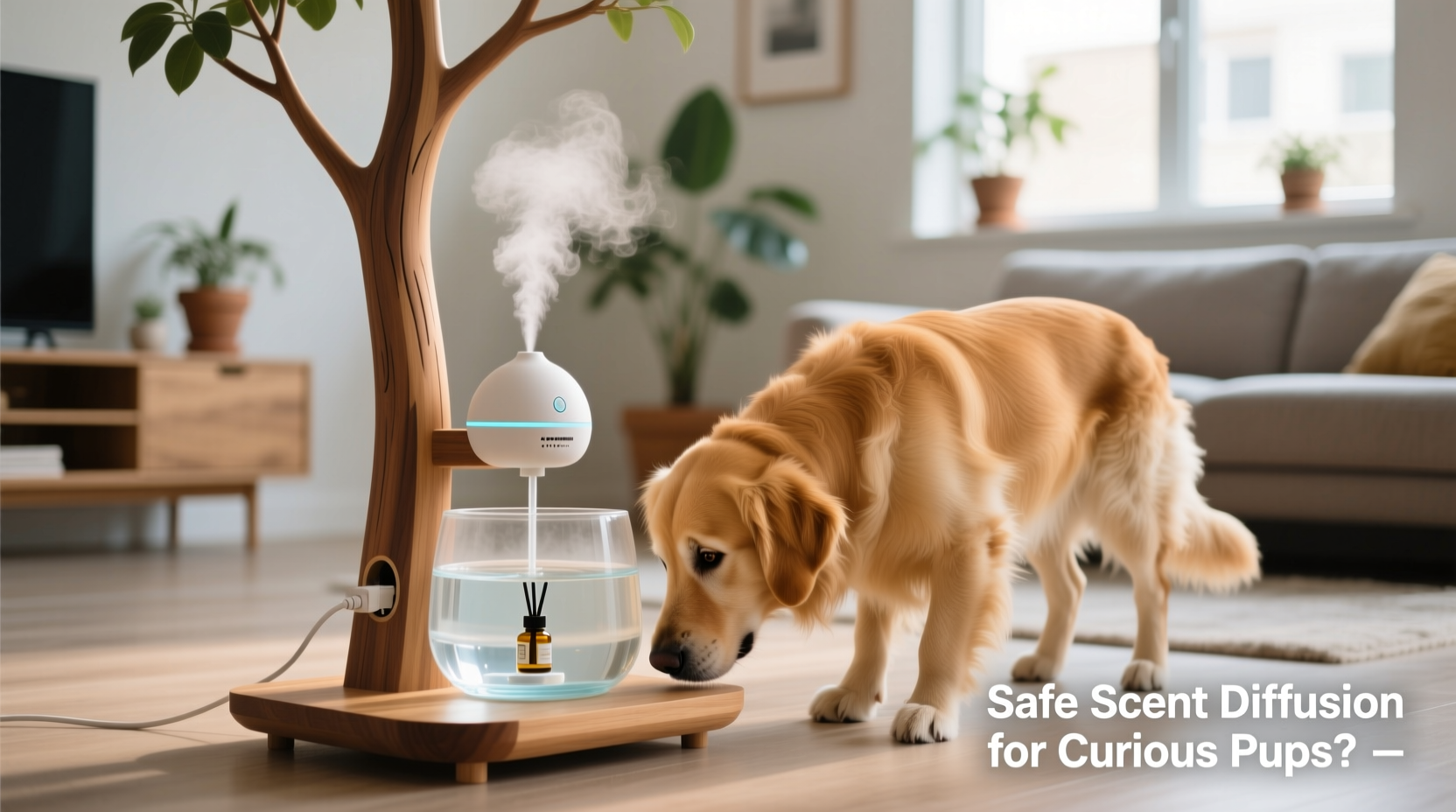
Dogs are naturally inquisitive, particularly when new objects appear in their environment. A Christmas tree introduces multiple novel stimuli: unfamiliar scents, dangling ornaments, crinkling tinsel, and—often overlooked—a bucket of stagnant water at its base. This water quickly accumulates organic matter such as fallen needles, sap, and dust, creating a biofilm that can emit an odor appealing to dogs. Some describe the smell as slightly fermented or earthy—something a dog might interpret as “interesting” or even edible.
Moreover, dogs frequently drink from puddles, toilets, and outdoor ponds. Their instinct doesn’t distinguish between clean and contaminated water sources. When a scent diffuser is added to tree water, especially one containing essential oils, the aromatic compounds can further entice a dog to investigate. The stronger or sweeter the fragrance, the more likely it is to attract attention—and potentially ingestion.
The Hidden Dangers of Scent Diffusers in Tree Water
Many commercially available scent diffusers marketed for tree stands contain concentrated essential oils such as pine, cinnamon, citrus, clove, or eucalyptus. While these may create a cozy winter atmosphere for humans, they pose significant toxicity risks to dogs. Essential oils are highly concentrated plant extracts, and even small amounts can lead to poisoning when ingested or absorbed through mucous membranes.
The American Society for the Prevention of Cruelty to Animals (ASPCA) lists several essential oils as toxic to dogs, including:
- Pine oil
- Tea tree (melaleuca) oil
- Peppermint oil
- Cinnamon oil
- Citrus oil (limonene, linalool)
- Eucalyptus oil
- Ylang-ylang oil
When these substances mix with tree water, they form a solution that may be absorbed through the gastrointestinal tract if consumed. Symptoms of essential oil toxicity in dogs include vomiting, diarrhea, drooling, lethargy, tremors, difficulty breathing, and in severe cases, liver failure or central nervous system depression.
“Essential oils should never be used in environments where pets have unsupervised access. Even minimal exposure through ingestion or skin contact can trigger serious reactions.” — Dr. Rebecca Nguyen, DVM, Veterinary Toxicologist
Common Ingredients and Their Risks: A Comparison
Not all scent additives are created equal. Below is a comparison of common substances people consider adding to tree water for fragrance, along with their safety profile for dogs.
| Substance | Toxic to Dogs? | Potential Effects |
|---|---|---|
| Pine essential oil | Yes | Vomiting, liver damage, respiratory distress |
| Citrus essential oil | Yes | Photosensitivity, gastrointestinal upset, CNS depression |
| Cinnamon oil | Yes | Mouth irritation, low blood sugar, liver issues |
| Vanilla extract (alcohol-based) | Yes (due to ethanol) | Alcohol poisoning, neurological symptoms |
| Plain water + fresh pine needles | No | Safe; mild natural scent only |
| Commercial “pet-safe” tree preservatives | Varies | Check label; some contain fungicides not meant for consumption |
Even products labeled as “natural” or “organic” are not inherently safe for pets. The key issue is concentration and bioavailability. When diluted in water and left accessible, even small sips over time can accumulate to toxic levels.
A Real-Life Scenario: What Happened to Max
Consider the case of Max, a 3-year-old Labrador Retriever in Colorado. His owners added a pine-scented diffuser pod to their tree stand water to enhance the holiday atmosphere. They assumed the product was safe since it was sold in a major home goods store. Within two days, Max began showing signs of excessive drooling and refused his dinner. By day three, he was lethargic and trembling. A visit to the emergency vet revealed elevated liver enzymes and signs of chemical ingestion.
Bloodwork and symptom analysis pointed to essential oil toxicity. The veterinarian traced the source back to the tree water after the owners mentioned the diffuser. Max required intravenous fluids and supportive care for 48 hours before stabilizing. His recovery was full, but the incident served as a wake-up call. “We had no idea something so simple could make him that sick,” said Max’s owner. “Now we keep the tree stand completely covered.”
This example underscores a critical point: pet-safe labeling is not universal, and consumer awareness lags behind product availability.
Safer Alternatives to Fragranced Tree Water
You don’t need to sacrifice a festive atmosphere to protect your dog. There are several effective, non-toxic ways to enjoy a scented home during the holidays:
- Fresh pine boughs in bowls: Place real pine or fir branches in decorative bowls around the house. They release a natural forest scent without any additives.
- Simmer pots: Simmer orange slices, cinnamon sticks, cloves, and cranberries on the stove for short periods under supervision. Remove before leaving the room or house.
- Pet-safe wax warmers: Use warmers with pet-friendly fragrance cubes (not essential oil-based). Keep the device out of reach.
- Baking soda + dried herbs: Create sachets with baking soda and dried rosemary or lavender to place near vents or in drawers.
- Regular water changes: Change tree stand water every few days to reduce bacterial growth and unpleasant odors naturally.
Step-by-Step: How to Safely Maintain Your Tree Without Risking Your Dog
Follow this practical timeline to enjoy a beautiful, fragrant tree while keeping your dog safe:
- Day 1 – Setup: Assemble the tree stand in a secure location. Fill it with plain water—no additives. Check manufacturer guidelines; some trees do best with clean water only.
- Day 1 – Barrier Installation: Secure a tree skirt tightly around the base. For extra protection, use a removable plastic guard or gate to block access entirely.
- Ongoing – Monitoring: Check water levels daily. Top off with fresh water as needed. Avoid letting the water become stagnant.
- Weekly – Cleaning: Every 5–7 days, drain and rinse the stand to remove biofilm and debris. Refill with clean water.
- Holiday Season – Air Freshening: Use alternative scent methods (simmer pots, candles when supervised, or pet-safe electric diffusers in separate rooms).
- Post-Holiday – Disposal: Once the tree comes down, thoroughly clean the stand and store it away. Ensure no residual water or scent residue remains.
Checklist: Dog-Safe Holiday Tree Practices
Use this checklist to ensure your tree setup protects your dog:
- ☐ Use only plain water in the tree stand
- ☐ Avoid all essential oils, fragrance drops, or DIY scent mixtures
- ☐ Cover the water reservoir completely with a skirt or physical barrier
- ☐ Monitor your dog’s behavior around the tree daily
- ☐ Provide alternative distractions (toys, chews) to reduce curiosity
- ☐ Use pet-safe air fresheners in other areas of the home
- ☐ Know the number for your local animal poison control center
Frequently Asked Questions
Can my dog get sick from just sniffing scented tree water?
While inhalation poses less risk than ingestion, concentrated essential oils can irritate a dog’s respiratory tract, especially in small or brachycephalic breeds (like Pugs or Bulldogs). Prolonged exposure to strong vapors may cause coughing, sneezing, or nasal discomfort. It's best to eliminate the source rather than assume sniffing is harmless.
Are there any “pet-safe” scent additives for tree water?
No reputable veterinary organization endorses adding any fragrance to tree water when pets are present. Even products claiming to be “non-toxic” may contain surfactants, alcohols, or preservatives unsafe for animals. The safest option is to avoid all additives.
What should I do if my dog drinks from the tree stand?
If you suspect ingestion, act immediately. Note the time, observe for symptoms (vomiting, unsteadiness, drooling), and contact your veterinarian or the ASPCA Animal Poison Control Center (888-426-4435). Do not induce vomiting unless instructed. Bring the product packaging if applicable.
Conclusion: Prioritize Safety Over Scent
The joy of the holiday season shouldn’t come at the cost of your dog’s well-being. While the idea of enhancing your Christmas tree’s aroma with a scent diffuser may seem appealing, the risks far outweigh the benefits when pets are involved. Dogs’ natural curiosity makes them vulnerable to accidental poisoning from seemingly innocuous sources like tree water. Essential oils, even in small concentrations, can lead to serious health complications.
Fortunately, safer alternatives exist. With thoughtful planning, proper barriers, and creative use of pet-friendly scent techniques, you can maintain a festive atmosphere without endangering your four-legged family member. Awareness, prevention, and vigilance are your best tools.




 浙公网安备
33010002000092号
浙公网安备
33010002000092号 浙B2-20120091-4
Comments
No comments yet. Why don't you start the discussion?