
Drying dishes may seem like a mundane step in the kitchen routine, but it plays a crucial role in food safety and hygiene. While many people instinctively reach for a dish towel after washing, this habit could be introducing harmful bacteria into your clean kitchen environment. The method you choose—air drying versus towel drying—can significantly impact the microbial cleanliness of your dishes. With growing awareness about household sanitation, it's worth examining which drying technique truly minimizes bacterial contamination.
This article explores the science behind both drying methods, compares their effectiveness at inhibiting bacterial growth, and provides actionable guidance for maintaining a safer kitchen. From expert insights to real-world examples, you'll gain a comprehensive understanding of how a simple post-wash decision can affect your health.
The Role of Moisture in Bacterial Growth
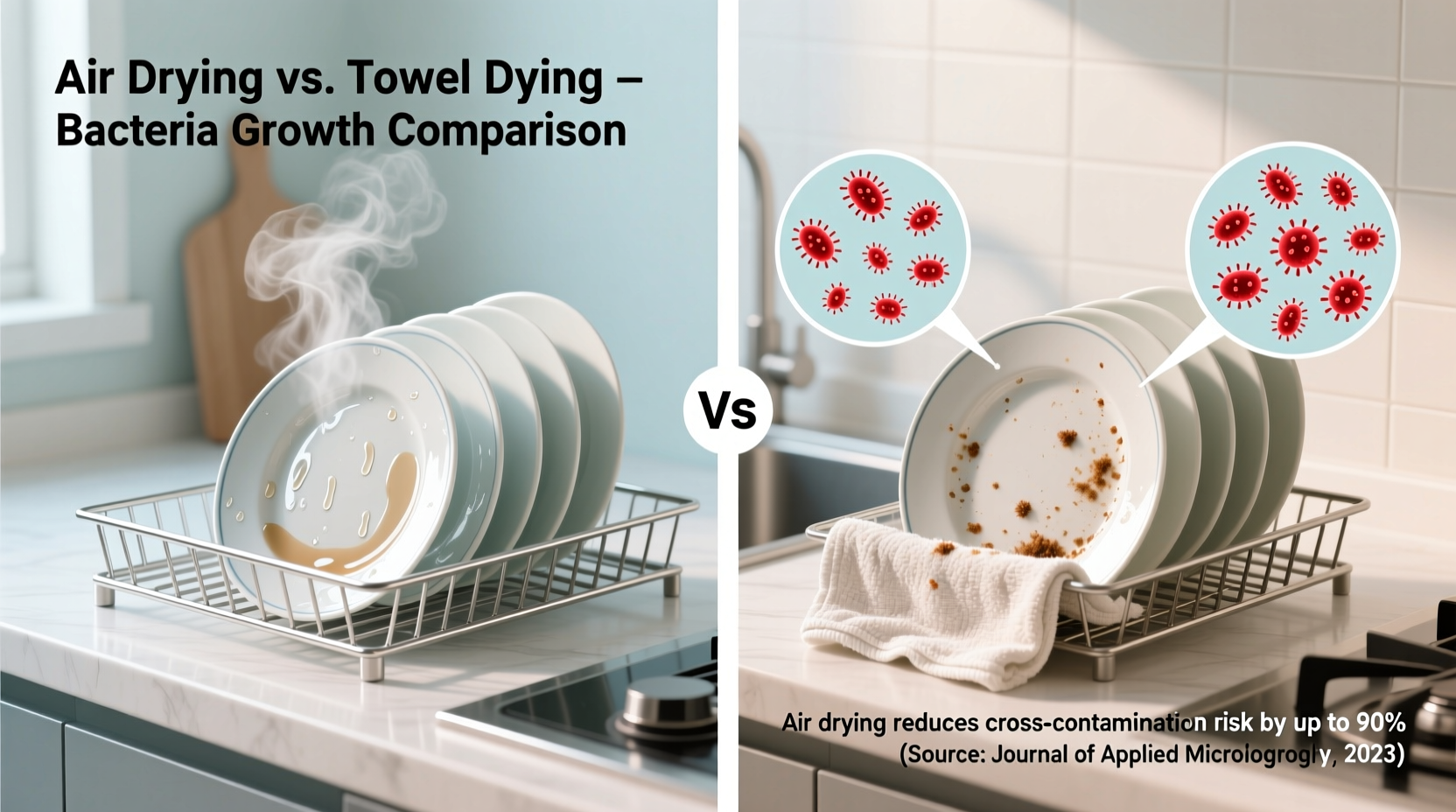
Bacteria thrive in warm, moist environments. After washing dishes, residual moisture creates an ideal breeding ground for microorganisms such as Escherichia coli, Salmonella, and Staphylococcus aureus. Even if dishes are thoroughly cleaned, improper drying can reintroduce pathogens or allow surviving microbes to multiply rapidly.
A study published in the Journal of Food Protection found that damp surfaces left at room temperature can see bacterial counts increase tenfold within just two hours. This makes the drying phase not just a matter of convenience, but a critical component of food safety.
Towel drying introduces additional variables: the towel itself, hand contact, and potential cross-contamination from prior use. In contrast, air drying removes human touch and fabric intermediaries, potentially reducing exposure points for contamination.
Air Drying vs. Towel Drying: A Comparative Analysis
To determine which drying method is more effective at preventing bacterial growth, several factors must be considered: contact surfaces, drying time, environmental conditions, and user behavior.
| Factor | Air Drying | Towel Drying |
|---|---|---|
| Contact Surface | No direct contact; dishes placed on clean rack | Fabric towel may harbor bacteria even when “clean” |
| Moisture Retention | Natural evaporation; complete drying in 30–60 mins | Rubbing may leave micro-damp spots, especially in crevices |
| Cross-Contamination Risk | Low, if rack is regularly cleaned | High—towels often used for multiple tasks (hands, counters) |
| User Error | Minimal—passive process | Depends on towel hygiene and handling practices |
| Speed | Slower, dependent on airflow and humidity | Immediate, but may not be thorough |
The data suggests that while towel drying offers speed and convenience, it carries a higher risk of recontamination due to the nature of cloth towels. Microfiber or cotton towels, unless changed daily and laundered at high temperatures, can become reservoirs for bacteria.
“Even a towel used only for dishes can accumulate pathogens over time. If it’s damp and stored in a cabinet, it becomes a perfect incubator.” — Dr. Lena Patel, Environmental Health Scientist, CDC
Why Towel Drying Can Introduce Bacteria
The primary flaw in towel drying lies not in the act itself, but in the condition of the towel and how it's used. Most households do not wash their dish towels daily. A 2020 study by the University of Arizona found that 89% of kitchen towels tested positive for coliform bacteria, with nearly half containing E. coli.
Common behaviors amplify the risk:
- Using the same towel for wiping hands, drying spills, and polishing dishes
- Folding and storing damp towels after use
- Infrequent laundering (less than every 2–3 days)
- Using towels made of absorbent but hard-to-sanitize materials
Moreover, the physical action of rubbing a towel across a plate can transfer biofilms—microbial communities embedded in slimy matrices—that resist typical cleaning agents. These biofilms can persist even on dishes that appear visually clean.
In one documented case, a family experienced recurring gastrointestinal issues traced back to their kitchen practices. Despite rigorous dishwashing, they used a single terry cloth towel for all drying tasks. Lab tests revealed high levels of Staphylococcus on both the towel and freshly dried plates. After switching to air drying and implementing a strict towel rotation system, symptoms ceased within weeks.
Mini Case Study: The Johnson Family Kitchen
The Johnsons, a family of four in Portland, Oregon, had been using the same two dish towels interchangeably for over a week. They washed dishes thoroughly with hot, soapy water but always finished with towel drying. When their youngest child developed repeated stomach bugs, they consulted a home hygiene specialist. Swabs from their drying towel showed colony-forming units (CFUs) of bacteria exceeding safe limits by 15 times. The recommendation? Switch to air drying and wash towels in water above 60°C (140°F) every other day. Within a month, illness incidents dropped to zero.
Best Practices for Air Drying Dishes
Air drying is generally superior for minimizing bacterial growth, but its effectiveness depends on proper setup and maintenance. Simply leaving dishes on the counter isn’t enough. Follow these steps to maximize hygiene:
- Use a well-designed drying rack: Choose one with slanted edges to promote water runoff and separate compartments for cups, bowls, and cutlery.
- Ensure adequate airflow: Place the rack near a window or under a vent to accelerate drying. Avoid enclosed spaces like cabinets.
- Clean the rack weekly: Mineral deposits and food residue can accumulate. Soak metal racks in vinegar solution; wipe plastic ones with disinfectant.
- Empty the drip tray daily: Standing water breeds bacteria and mold. Rinse and dry the tray each evening.
- Pre-rinse with hot water: After washing, a final rinse at 60°C (140°F) reduces microbial load and speeds evaporation.
When Towel Drying Might Be Acceptable
Air drying isn't always feasible—especially in small kitchens or during cold, humid months when evaporation slows. In such cases, towel drying can still be hygienic if strict protocols are followed:
- Use dedicated, color-coded towels only for dishes—never for hands or counters.
- Wash towels in hot water (minimum 60°C) with bleach or oxygen-based cleaner.
- Replace towels every 1–2 days, or immediately if visibly soiled or damp for over 4 hours.
- Opt for fast-drying materials like linen or antimicrobial-treated cloths.
- Allow towels to hang freely and fully dry between uses.
Some modern microfiber towels are designed to inhibit bacterial growth through silver-ion technology. While not foolproof, they offer a safer alternative to traditional cotton when air drying isn’t possible.
Expert Recommendations and Authority Insights
Public health organizations consistently favor air drying as the preferred method for minimizing bacterial transmission in domestic settings.
“The safest way to dry dishes is by allowing them to air dry. Cloth towels, no matter how clean they seem, can harbor bacteria that transfer to supposedly clean surfaces.” — U.S. Department of Agriculture (USDA), Food Safety and Inspection Service
The Centers for Disease Control and Prevention (CDC) also emphasizes that reducing contact points during food preparation and cleanup lowers infection risk, particularly for vulnerable populations like children, the elderly, and immunocompromised individuals.
Dr. Alan Torres, a microbiologist at Ohio State University, explains: “We often overlook secondary contamination routes. A dish can be perfectly washed, but if dried with a contaminated towel, it’s no longer safe. Air drying eliminates that vector.”
Frequently Asked Questions
Can I use paper towels instead of cloth?
Yes, disposable paper towels eliminate cross-contamination since they’re discarded after one use. However, this option is less eco-friendly and costlier over time. If using paper towels, avoid recycled-content types that may leave fibers or contaminants on delicate glassware.
Does my dishwasher’s drying cycle make towel drying unnecessary?
Most modern dishwashers include a heated dry cycle that raises internal temperature to 70–85°C (160–185°F), effectively killing most bacteria and evaporating moisture. If you use this feature, towel drying is unnecessary and discouraged. However, if your dishwasher lacks heated dry, air drying on a rack after removal is still recommended over manual towel use.
How long does it take for dishes to air dry safely?
Under normal indoor conditions (20–25°C, moderate humidity), most dishes dry completely within 30 to 60 minutes. Items with crevices (like ladles or mugs) may take longer. To speed drying, shake off excess water and place items upside down. In humid climates, consider using a fan nearby to improve airflow.
Checklist: Safe Dish Drying Protocol
Follow this checklist to ensure your drying method supports kitchen hygiene:
- ✅ Wash dishes with hot, soapy water (at least 45°C / 110°F)
- ✅ Rinse with hotter water (60°C / 140°F) to reduce microbes
- ✅ Use a clean, sanitized drying rack with good drainage
- ✅ Place dishes upside down to prevent pooling
- ✅ Allow full air circulation—avoid stacking wet items
- ✅ Clean the drying rack weekly
- ✅ Empty and rinse the drip tray daily
- ✅ If using towels: wash in hot water every 1–2 days, hang to dry completely
- ✅ Replace worn or frayed towels immediately
- ✅ Never use the same towel for hands, counters, and dishes
Conclusion: Prioritizing Hygiene Over Habit
The evidence is clear: air drying dishes is generally more effective than towel drying at preventing bacterial growth. By removing fabric contact and relying on natural evaporation, air drying reduces opportunities for recontamination and supports a safer kitchen environment. While towel drying remains popular due to its immediacy, it requires rigorous hygiene practices to avoid undermining the cleaning process.
Small changes in routine—such as adopting a drying rack, improving ventilation, or laundering towels more frequently—can have a significant impact on household health. Whether you're cooking for one or feeding a family, the way you dry your dishes matters more than you might think.




 浙公网安备
33010002000092号
浙公网安备
33010002000092号 浙B2-20120091-4
Comments
No comments yet. Why don't you start the discussion?