
When furnishing a living space, few elements influence both comfort and style as profoundly as the carpet. Often chosen after furniture and paint, the carpet’s shape can either unify a room or disrupt its flow. While rectangular carpets have long dominated interiors—thanks to their compatibility with standard room dimensions and furniture layouts—designers and homeowners are increasingly embracing irregular shapes: ovals, rounds, freeform silhouettes, and even asymmetrical polygons. But does breaking from tradition offer real benefits, or is the rectangle still the superior choice?
The answer isn’t universal. It depends on room function, architectural constraints, aesthetic goals, and lifestyle needs. To help you decide which shape serves your space best, we’ll examine functionality, visual impact, maintenance, and real-world applications.
The Practical Reign of the Rectangle
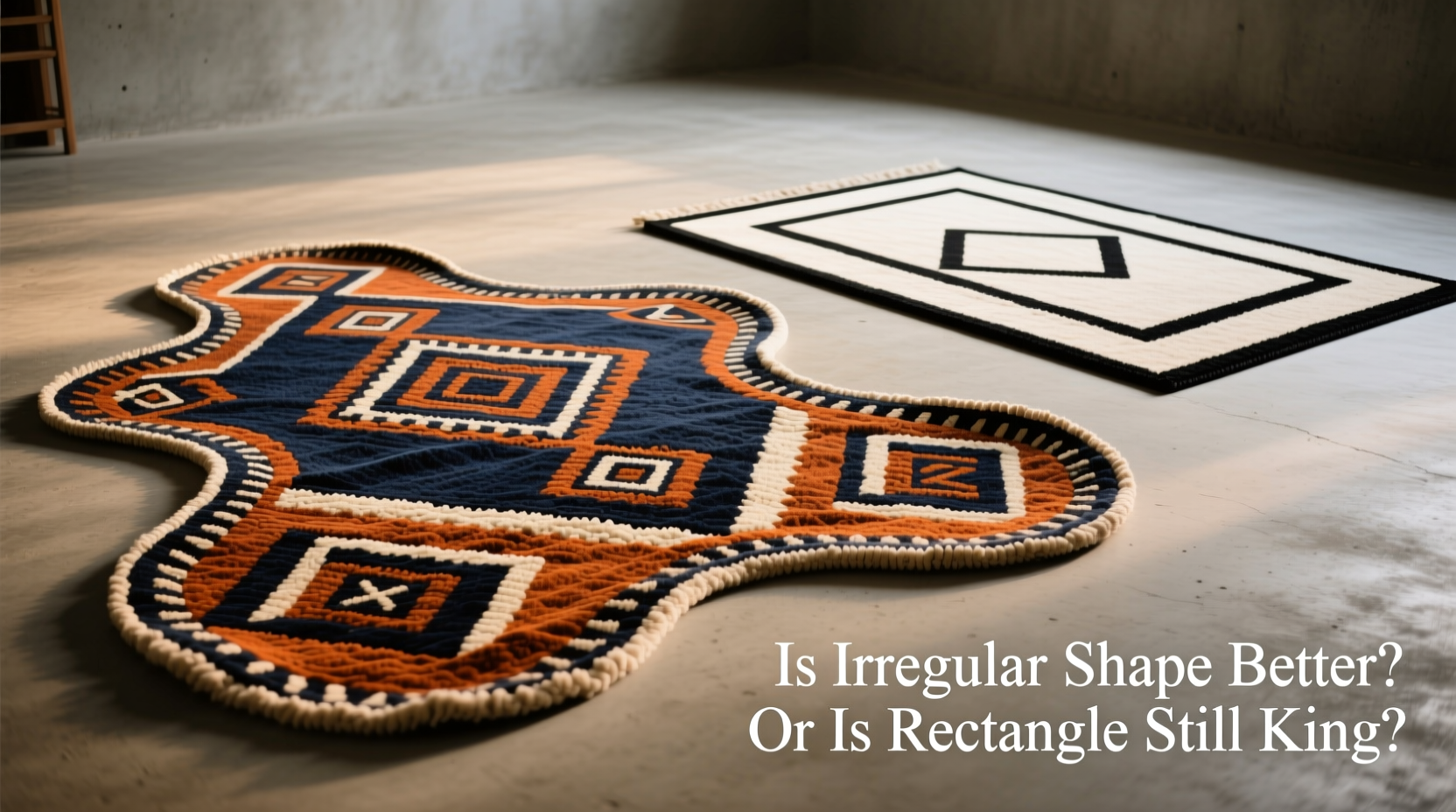
Rectangular carpets remain the default in most homes—and for good reason. Most rooms, especially living rooms and bedrooms, are themselves rectangular. Furniture arrangements follow suit: sofas face each other across coffee tables, beds sit centered against walls, and dining sets align with table edges. A rectangular carpet naturally supports these configurations by framing seating areas or anchoring central furniture groups.
From a manufacturing standpoint, rectangles are efficient. They require minimal cutting, reduce material waste, and are easier to mass-produce. This efficiency translates into lower costs and wider availability in sizes, textures, and price points.
Installation and placement are also more predictable. With straight edges and 90-degree corners, rectangular carpets align cleanly with walls and baseboards. They’re simpler to measure for, easier to layer under furniture, and less likely to create awkward gaps or overlaps.
Where Irregular Shapes Shine
Irregularly shaped carpets—ovals, circles, kidney beans, or abstract forms—introduce movement and softness into rigid spaces. They work particularly well in environments where fluidity and artistic expression matter more than symmetry.
In round dining rooms or sunrooms with curved walls, circular carpets echo the architecture, creating harmony. Oval rugs fit beautifully beneath elongated tables without the sharp corners of rectangles that might clash visually. In modern lofts or minimalist studios, an abstract-shaped carpet can act as a sculptural centerpiece, defining zones without boxing them in.
These shapes also excel in unconventional layouts. Consider a conversation area tucked into a bay window or a reading nook beneath a skylight. A round or oval rug can cradle this intimate setup, drawing focus and adding warmth without competing with angular furniture.
“Shape is not just about aesthetics—it’s about energy flow. Curved rugs soften transitions and invite relaxed interaction.” — Lena Torres, Interior Designer & Spatial Psychologist
Functional Comparison: Shape vs. Use Case
Beyond looks, the right carpet shape must support how a room is used. The following table compares common shapes across key functional criteria:
| Carpet Shape | Best For | Limits | Maintenance Notes |
|---|---|---|---|
| Rectangle | Living rooms, hallways, bedrooms, formal dining | Can feel stiff in curved or open-plan spaces | Easier to clean; fits standard vacuums and pads |
| Oval | Dining rooms with long tables, narrow lounges | Harder to find in custom sizes | Edges may curl; requires non-slip pad |
| Round/Circular | Small sitting areas, kids’ rooms, foyers | Wasted space in corners of square rooms | Center-focused wear; rotate occasionally |
| Freeform/Abstract | Artistic spaces, studios, accent zones | Limited furniture anchoring; niche availability | Specialty cleaning often needed |
Mini Case Study: The Modern Family Living Room
The Chen family renovated their open-concept living-dining area with a goal of blending function and modern flair. Initially, they placed a large 9x12 ft rectangular rug under the sofa and coffee table. While practical, the layout felt segmented and boxy.
After consulting a designer, they switched to a large oval wool rug (10x7 ft), centered under the same furniture group. The change softened the space dramatically. The curved edges created a more inviting flow between the living and dining zones, making the entire area feel connected yet distinct. Despite initial concerns about durability, the wool construction held up well to daily use, including two young children and a dog.
The oval didn’t cover wall-to-wall, but that wasn’t the goal. Instead, it defined the conversation area while allowing for natural movement around it—a compromise between form and function that a rectangle couldn’t achieve in that particular layout.
Step-by-Step Guide to Choosing Your Carpet Shape
Follow this sequence to determine the optimal shape for your space:
- Assess the room’s primary function: Is it for entertaining, relaxation, dining, or multi-use?
- Map the furniture layout: Sketch or visualize how pieces are arranged. Do they form a rectangle, circle, or irregular cluster?
- Consider architectural features: Note curves, alcoves, columns, or angled walls that might favor a non-rectangular rug.
- Determine traffic flow: Will people walk around or across the carpeted area frequently? Rectangles handle linear paths better.
- Test proportions: Use painter’s tape on the floor to outline potential rug shapes and sizes. Live with the outline for a day.
- Evaluate maintenance: Can you easily clean and rotate the shape? Are edges prone to fraying or tripping hazards?
- Align with design theme: Traditional interiors often benefit from structured shapes; contemporary or eclectic styles can embrace irregular forms.
Common Myths About Irregular Carpets
- Myth: Irregular shapes make a room look cluttered.
Reality: When properly scaled and positioned, they add rhythm and focal interest. - Myth: Only large spaces can handle non-rectangular rugs.
Reality: Small round rugs can enhance compact areas like entryways or beside beds. - Myth: They’re impractical for families.
Reality: Durable materials like polypropylene or flatweave wool in rounded shapes can be both stylish and kid-friendly.
FAQ
Can I mix carpet shapes in one home?
Absolutely. Many homes successfully combine rectangular living room rugs with round dining or entryway rugs. The key is maintaining consistency in color palette, texture, or material to tie the spaces together.
Are irregular carpets more expensive?
Often, yes. Custom cutting, lower production volumes, and specialty designs increase cost. However, ready-made oval or round options in synthetic fibers offer budget-friendly alternatives.
Do irregular rugs require special pads?
Yes. Standard pads may not fit curved edges. Look for circular or oval non-slip underlays, or trim a larger pad carefully to match the rug’s contour.
Final Verdict: Context Is King
The debate isn’t really about whether irregular shapes are “better” than rectangles—it’s about appropriateness. The rectangle remains the most versatile, functional, and accessible option for the majority of residential spaces. Its alignment with conventional architecture and furniture makes it a reliable default.
However, irregular shapes bring undeniable value when used intentionally. They introduce softness, guide movement, and serve as artistic statements in spaces that welcome creativity. They aren’t replacements for rectangles but complements—tools for solving unique spatial challenges or elevating design narratives.
In high-traffic, family-oriented, or traditionally furnished rooms, stick with the rectangle. In expressive, open, or architecturally distinctive areas, don’t hesitate to explore ovals, rounds, or abstract forms.
Conclusion
Carpet shape should never be an afterthought. Whether you choose a classic rectangle or an artistic freeform silhouette, let the decision emerge from your room’s purpose, proportions, and personality. Don’t follow trends blindly—observe how people move through your space, where conversations happen, and what visual balance feels right.




 浙公网安备
33010002000092号
浙公网安备
33010002000092号 浙B2-20120091-4
Comments
No comments yet. Why don't you start the discussion?