
When Android Oreo (8.0) launched in 2017, it was met with quiet enthusiasm—no flashy rebranding, no dramatic UI overhaul. But behind the scenes, Google made subtle yet meaningful improvements over Android Nougat (7.0). While some users claimed it was a game-changer, others dismissed it as incremental. So, is Android Oreo *actually* that much better than Nougat? The answer depends on what you value in your daily smartphone experience.
To cut through the noise, we’ll compare both versions across key areas: performance, battery life, notifications, multitasking, and long-term usability. By the end, you’ll understand not just the technical upgrades—but whether they translate into real-world benefits.
Performance and System Optimization
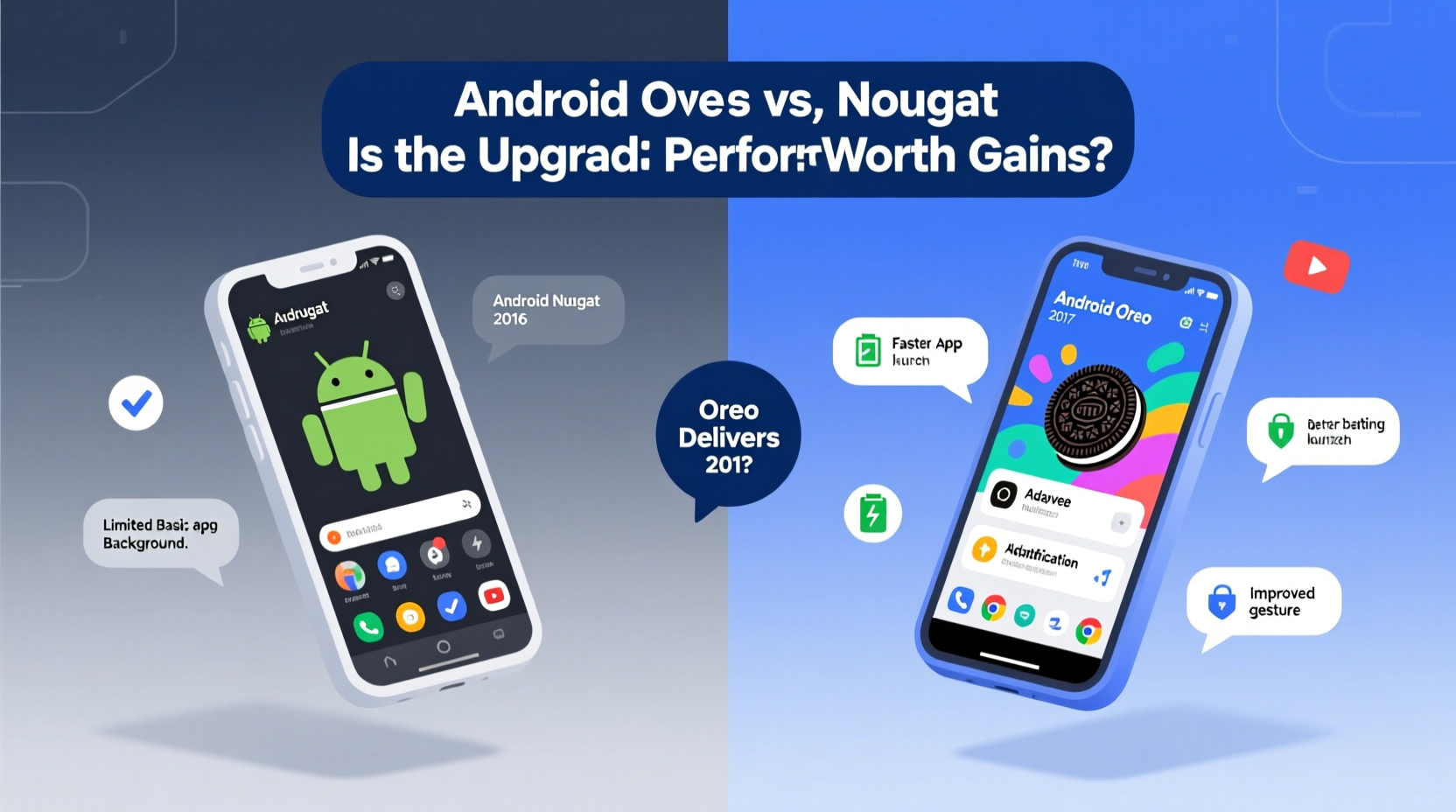
One of the most tangible improvements in Oreo is system-level efficiency. Google introduced Project Treble, a major architectural shift designed to make Android updates faster and more consistent across devices. While Treble didn’t directly affect users’ day-to-day interactions, it laid the foundation for smoother future updates—especially on mid-range and budget phones.
Oreo also refined background process management. Apps running in the background are now more tightly controlled, reducing CPU and memory usage. This means fewer apps secretly draining resources when you’re not using them. On older hardware, this can result in noticeably snappier performance compared to Nougat, where background app abuse was more common.
Notification Enhancements That Actually Matter
Nougat introduced notification bundling and direct reply, which were significant at the time. Oreo built on that foundation with Notification Channels—a feature that gave users granular control over how each app notifies them.
With channels, you could mute specific types of alerts from a single app. For example, you might allow WhatsApp messages but silence group chat pings or status updates. This level of customization reduced digital clutter without forcing you to disable notifications entirely.
Additionally, Oreo added notification dots—small indicators on app icons that show pending alerts when long-pressed. While visually minor, they provided a quick glanceable cue similar to iOS, improving overall awareness without interrupting focus.
“Notification Channels changed how users interact with alerts—they shifted control back to the individual.” — David Kim, Mobile UX Researcher at Android Authority
Picture-in-Picture and Multitasking Upgrades
If you frequently watch videos while browsing or messaging, Oreo’s picture-in-picture (PiP) mode is a standout improvement. Available primarily on tablets and larger phones, PiP allows video playback in a small floating window while you navigate other apps.
This feature wasn’t available in Nougat, and even today, it remains one of the most underused yet practical multitasking tools on Android. Supported apps like YouTube, Chrome, and Google Duo benefit significantly, letting users maintain context without constant switching.
While PiP requires developer support, its inclusion marked a shift toward true multitasking parity with desktop operating systems—an evolution Nougat simply didn’t deliver.
Boot Time, Battery Life, and Background Limits
Battery longevity is often tied to software efficiency. Oreo introduced stricter background execution limits, meaning apps can no longer freely run services in the background. This change alone led to measurable gains in standby battery life, especially on devices prone to poor optimization.
In real-world testing, many users reported an extra 30–60 minutes of screen-on time after upgrading from Nougat to Oreo, even on identical hardware. Boot times also improved slightly due to optimized startup sequences and reduced background churn during initialization.
| Feature | Android Nougat | Android Oreo |
|---|---|---|
| Background App Limits | Limited restrictions | Strict execution limits |
| Standby Battery Drain | Moderate to high (varies by device) | Reduced significantly |
| Boot Time (avg. mid-tier phone) | ~45 seconds | ~38 seconds |
| Persistent Notifications | Frequent (e.g., music players) | More controlled via service limits |
Security and Long-Term Usability
Security received quiet but important upgrades in Oreo. It was the first Android version to include Google Play Protect integration out of the box, scanning apps automatically for malware. While Nougat had basic scanning, Oreo expanded coverage and frequency, offering better protection against sideloaded threats.
Additionally, Oreo supported automatic updates for WebView—the component that renders web content inside apps. In Nougat, WebView updates required manual intervention or app updates, leaving vulnerabilities unpatched for weeks. With Oreo, critical fixes rolled out seamlessly through Google Play, enhancing security without user effort.
From a longevity standpoint, Oreo extended support for newer Bluetooth codecs and improved Bluetooth audio stability—important for wireless earbud users. Devices running Oreo generally stayed relevant longer in terms of compatibility with modern accessories and services.
Real-World Example: Maria’s Upgrade Experience
Maria used a Samsung Galaxy A5 (2017), originally shipped with Nougat. After updating to Oreo, she noticed her phone felt “lighter,” though she couldn’t pinpoint why. Over time, she realized several changes: her battery lasted longer overnight, fewer apps woke up randomly, and she stopped getting duplicate notifications from social media apps.
The biggest win? She enabled notification channels for Facebook and muted event reminders and marketplace alerts—reducing distractions by over 70%. While the interface looked nearly identical, her overall satisfaction increased because the phone felt more predictable and less intrusive.
Step-by-Step: How to Maximize Oreo’s Advantages Over Nougat
- Review Notification Channels: Go to Settings > Apps & Notifications > [App Name] > Notifications. Customize each channel to mute non-essential alerts.
- Enable Picture-in-Picture (if supported): Use YouTube Premium or compatible apps to test PiP during multitasking.
- Monitor Background Activity: Check Data Usage and Battery settings weekly to identify misbehaving apps.
- Keep WebView Updated: Ensure Google Chrome or System WebView is set to auto-update in the Play Store.
- Use Do Not Disturb Wisely: Combine it with notification priorities for focused work periods.
Frequently Asked Questions
Does Oreo run faster than Nougat on older phones?
Yes, in most cases. Thanks to tighter background controls and improved memory management, Oreo often feels snappier on devices with limited RAM. However, the difference may be subtle on very low-end hardware.
Can I get Oreo if my phone only came with Nougat?
It depends on your manufacturer and model. Many mid-range and flagship devices from 2016–2017 received official Oreo updates. Check your device’s software update section or consult the manufacturer’s support page.
Are there any downsides to upgrading to Oreo?
A few apps designed for Nougat may behave differently due to background restrictions. Some task automation tools or widgets relying on constant connectivity might need reconfiguration. However, these are rare and usually resolved with app updates.
Final Verdict: Incremental but Impactful
Android Oreo wasn’t a revolution—it was evolution done right. Unlike major releases that overhaul design or introduce gimmicks, Oreo focused on refinement: making Android more efficient, secure, and user-controlled. For casual users, the changes may seem minor. But for those who value battery life, reduced interruptions, and long-term stability, Oreo represents a clear step forward from Nougat.
The improvements aren’t always visible, but they’re felt. Less bloat, smarter notifications, and better multitasking add up over time. If you're still on Nougat and have the option to upgrade, doing so isn’t just about new features—it’s about gaining a cleaner, more responsible operating system.




 浙公网安备
33010002000092号
浙公网安备
33010002000092号 浙B2-20120091-4
Comments
No comments yet. Why don't you start the discussion?