
In an era where chronic stress affects nearly every aspect of modern life, people are turning to holistic and accessible solutions. Aromatherapy—particularly through essential oil diffusion—has surged in popularity as a natural method for calming the mind and improving emotional well-being. But with increasing skepticism about alternative therapies, a pressing question arises: Is aromatherapy diffusing genuinely effective for stress relief, or is its perceived benefit merely a placebo?
The answer isn’t binary. While psychological expectations play a role, growing scientific evidence suggests that certain essential oils interact with the body’s neurochemical systems in measurable ways. This article explores the mechanisms behind aromatherapy, evaluates clinical research, examines placebo dynamics, and offers practical guidance for those seeking real results.
How Aromatherapy Diffusion Works: The Science Behind the Scent
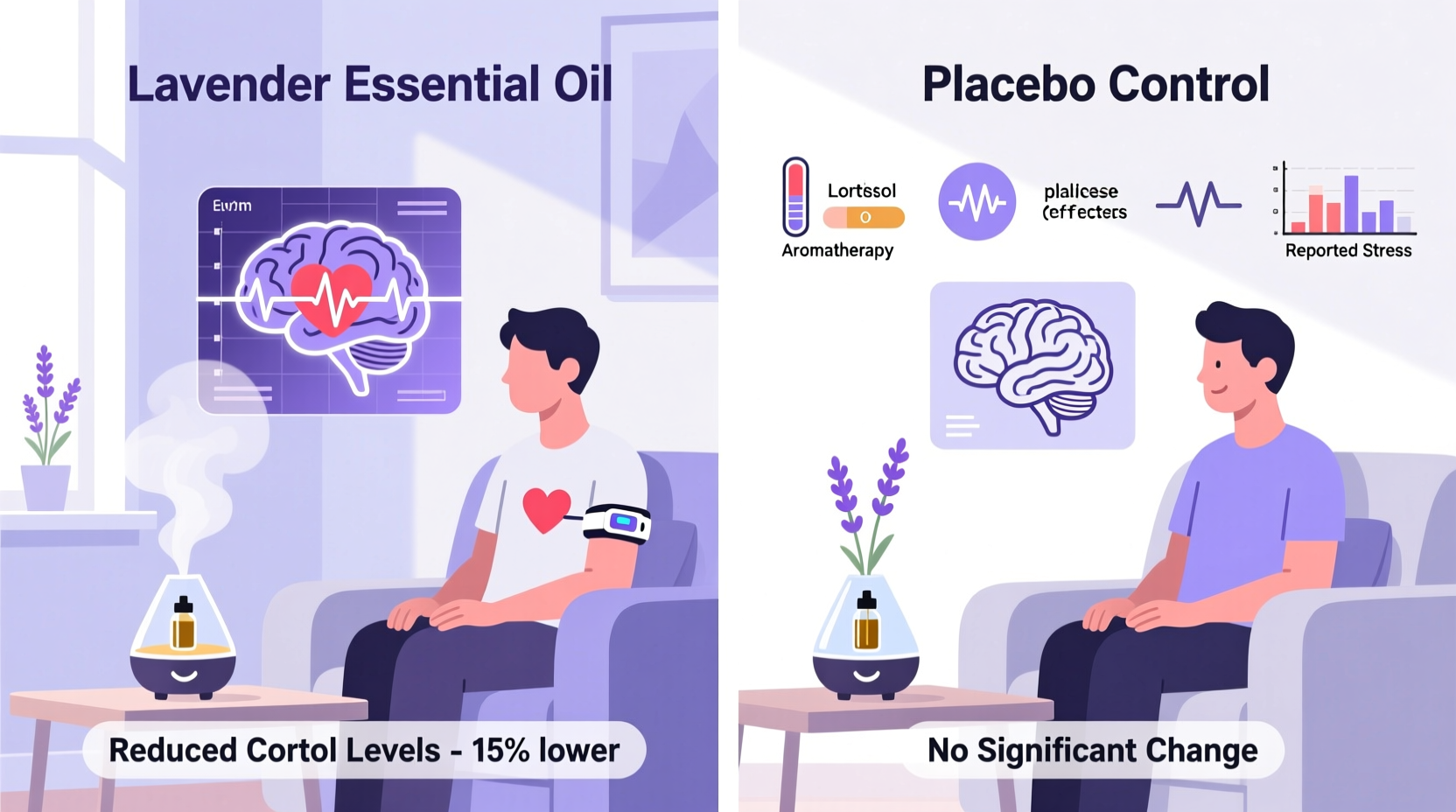
Aromatherapy relies on the inhalation of volatile compounds released by essential oils when diffused into the air. These molecules travel through the nasal passages and interact with the olfactory system—the only sensory system with direct access to the limbic region of the brain, which governs emotions, memory, and arousal.
When scent molecules bind to olfactory receptors, signals are transmitted to the amygdala and hippocampus, areas heavily involved in emotional regulation. This neurological pathway explains why certain scents can instantly evoke calmness, nostalgia, or alertness—even before conscious thought processes engage.
For example, linalool (a compound found in lavender) has been shown in animal studies to modulate GABA receptors, similar to how benzodiazepines reduce anxiety. Similarly, limonene in citrus oils may elevate serotonin levels, contributing to improved mood.
Clinical Evidence: What Research Says About Stress Reduction
Over the past two decades, numerous clinical trials have investigated the physiological and psychological impact of inhaled essential oils. While study quality varies, several well-designed experiments support aromatherapy’s role in stress modulation.
A 2017 double-blind, randomized controlled trial published in *Complementary Therapies in Clinical Practice* examined 60 ICU nurses exposed to lavender oil diffusion during shifts. Participants reported significantly lower perceived stress scores and exhibited reduced salivary cortisol levels compared to the control group.
Another study from *Phytomedicine* (2020) analyzed the effects of bergamot essential oil diffusion on patients awaiting dental procedures. Heart rate variability (HRV), a marker of autonomic nervous system balance, improved notably in the aromatherapy group, indicating enhanced parasympathetic activity—commonly associated with relaxation.
However, not all studies show consistent results. A 2021 meta-analysis in *BMC Complementary Medicine and Therapies* concluded that while some oils like lavender and orange demonstrate moderate efficacy, the overall evidence base remains limited by small sample sizes, inconsistent methodologies, and publication bias.
“While aromatherapy shouldn’t replace conventional treatments for anxiety disorders, it can serve as a valuable adjunctive tool for managing everyday stress.” — Dr. Elena Rodriguez, Integrative Neurologist, Johns Hopkins University
The Placebo Factor: Why Belief Matters in Aromatherapy
No discussion about aromatherapy is complete without addressing the placebo effect. The power of expectation can profoundly influence subjective experiences, including mood and pain perception. If someone believes lavender will calm them, their brain may respond accordingly—even if the oil had no pharmacological action.
This doesn’t diminish the value of the outcome. In fact, placebo responses are real biological phenomena involving endogenous opioid release, dopamine activation, and changes in brain connectivity. A 2015 fMRI study demonstrated that participants who believed they were inhaling a “calming” scent showed decreased amygdala activity regardless of whether the scent was active or inert.
Yet, this raises a critical distinction: if both real and sham aromatherapy produce similar benefits, does the mechanism matter? From a pragmatic standpoint, if low-risk interventions improve well-being, they hold merit. However, for individuals seeking predictable, dose-dependent effects—especially under high-stress conditions—relying solely on belief may be insufficient.
The truth likely lies in synergy: active biochemical components in essential oils combine with psychological expectancy to produce amplified therapeutic outcomes. This dual-action model makes aromatherapy uniquely positioned at the intersection of neuroscience and mind-body medicine.
Essential Oils That Show Measurable Effects on Stress
Not all essential oils are created equal. Some have stronger empirical backing than others when it comes to stress reduction. Below is a comparison of commonly used oils based on clinical relevance, safety, and consistency of results.
| Essential Oil | Key Compounds | Research Support | Best Use Case |
|---|---|---|---|
| Lavender (Lavandula angustifolia) | Linalool, linalyl acetate | Strong – multiple RCTs show reduced anxiety and improved sleep | Nighttime diffusion, pre-sleep routine |
| Bergamot (Citrus bergamia) | Limonene, linalool | Moderate – reduces acute stress markers in clinical settings | Workspaces, morning diffusion |
| Frankincense (Boswellia spp.) | Boswellic acids, incensole acetate | Preliminary – animal studies show anti-anxiety effects | Meditation, mindfulness practices |
| Ylang-Ylang (Cananga odorata) | Linalool, germacrene D | Limited – mixed human trial results | Occasional use, blended with other oils |
| Peppermint (Mentha piperita) | Menthol, menthone | Low for stress – more energizing than calming | Daytime focus; avoid for anxiety |
It's important to note that individual responses vary. Genetics, prior scent associations, and even cultural background can shape how a person reacts to a given aroma. For instance, someone who associates rose scent with a comforting childhood memory may experience deeper relaxation than another person exposed to the same oil.
Practical Guide: Using Aromatherapy Diffusion Effectively
To move beyond placebo and harness potential physiological benefits, proper usage is key. Here’s a step-by-step approach to maximize effectiveness:
- Select high-quality oils: Choose 100% pure, therapeutic-grade essential oils from reputable suppliers. Look for GC/MS (gas chromatography/mass spectrometry) test reports.
- Choose the right diffuser: Ultrasonic diffusers cool-mist and preserve oil chemistry. Nebulizers offer higher concentration but consume oil faster. Avoid heat-based diffusers.
- Dilute appropriately: Follow manufacturer guidelines. Typically, 3–5 drops per 100ml water in ultrasonic models is sufficient.
- Time your sessions: Diffuse for 30–60 minutes at a time, especially during high-stress periods (e.g., after work, before bed). Allow breaks to prevent olfactory fatigue.
- Create scent routines: Pair specific oils with activities—lavender during bedtime reading, citrus during morning journaling—to strengthen conditioned relaxation responses.
- Combine with other practices: Enhance effects by integrating diffusion with deep breathing, meditation, or gentle stretching.
Mini Case Study: Office Workers and Citrus Diffusion
In a corporate wellness pilot program at a mid-sized tech firm in Portland, Oregon, managers introduced daily bergamot diffusion in common areas during peak workload months. Employees were not informed of the initiative’s purpose to minimize expectancy bias.
Over six weeks, voluntary participation in anonymous stress surveys revealed a 28% average decrease in self-reported tension levels. Notably, absenteeism due to stress-related complaints dropped by 17%. While confounding factors like seasonal changes couldn’t be ruled out, HR leaders observed that team cohesion and focus improved alongside the intervention.
One employee commented: “I didn’t notice the smell at first, but after a few days, I started feeling less ‘wired’ after meetings. It became easier to transition from one task to the next.”
The company later expanded the program, combining diffusion with guided breathing exercises, reinforcing the idea that scent works best as part of a broader stress-management strategy.
Common Mistakes That Reduce Effectiveness
Many users fail to see benefits not because aromatherapy lacks merit, but due to incorrect application. Common pitfalls include:
- Using synthetic fragrance oils instead of true essential oils
- Over-diffusing, leading to sensory overload or headaches
- Diffusing continuously for hours, causing olfactory adaptation
- Ignoring room size—too little oil in a large space won’t achieve therapeutic concentration
- Using oils known to cause irritation (e.g., cinnamon, clove) without proper dilution
Additionally, expecting immediate, dramatic results sets users up for disappointment. Aromatherapy is subtle and cumulative. Its strength lies in consistency, not intensity.
Frequently Asked Questions
Can aromatherapy replace medication for anxiety?
No. While aromatherapy may help manage mild stress or situational anxiety, it is not a substitute for clinical treatment of anxiety disorders. Individuals with diagnosed conditions should consult healthcare providers before adjusting any treatment plan.
Are there risks to diffusing essential oils?
Yes. Some oils can trigger asthma, allergic reactions, or photosensitivity. Oils like eucalyptus and tea tree are toxic to pets, especially cats. Always ensure proper ventilation and keep diffusers out of reach of children and animals.
How long does it take to feel the effects?
Responses vary. Some people report feeling calmer within minutes, particularly with citrus or lavender. Others notice gradual improvements in sleep quality or mood resilience after several days of consistent use.
Action Checklist: Optimizing Your Aromatherapy Routine
To ensure you’re using diffusion effectively—not just ritualistically—follow this checklist:
- ✅ Verify oil purity and botanical origin
- ✅ Use a high-quality cold-air or ultrasonic diffuser
- ✅ Limit diffusion to 30–60 minute intervals
- ✅ Prioritize oils with clinical backing (e.g., lavender, bergamot)
- ✅ Combine with mindfulness or breathing techniques
- ✅ Monitor personal response over 2–3 weeks
- ❌ Avoid mixing too many oils at once
- ❌ Don’t diffuse around infants, pets, or sensitive individuals without caution
Conclusion: Beyond Placebo—A Tool Worth Considering
The debate over whether aromatherapy diffusing works “for real” overlooks a more nuanced reality: it works differently for different people, and its mechanisms blend biology with psychology. While the placebo effect contributes to its popularity, dismissing aromatherapy entirely ignores credible evidence of neurochemical interactions and measurable stress biomarkers.
For those navigating daily pressures—from parenting to professional demands—aromatherapy offers a low-cost, non-invasive way to gently shift the nervous system toward calm. It won’t erase deep-seated anxiety or replace therapy, but when used wisely, it can become a meaningful thread in a larger tapestry of self-care.




 浙公网安备
33010002000092号
浙公网安备
33010002000092号 浙B2-20120091-4
Comments
No comments yet. Why don't you start the discussion?