
When shopping for a new iPhone or switching carriers, one of the most common questions consumers face is whether there's a real difference between AT&T’s standard unlimited data plans and those marketed specifically as “iPhone unlimited.” On the surface, both promise endless streaming, browsing, and downloading without overage fees. But dig deeper, and subtle—but impactful—differences emerge in speed, coverage, and network management. Understanding these distinctions isn’t just about marketing jargon; it can affect your daily experience with video calls, mobile gaming, and even remote work.
The truth is, while all AT&T unlimited plans offer uncapped data, they are not created equal. The confusion often stems from branding: Apple doesn’t sell its own cellular plans. When someone refers to an “iPhone unlimited plan,” they’re usually talking about an AT&T unlimited plan purchased through Apple (in-store or online) or bundled with an iPhone payment plan. But the core service still comes from AT&T, meaning the real question is: Are certain unlimited plans optimized for iPhones, or do they simply carry a different label?
Understanding AT&T’s Unlimited Plan Tiers
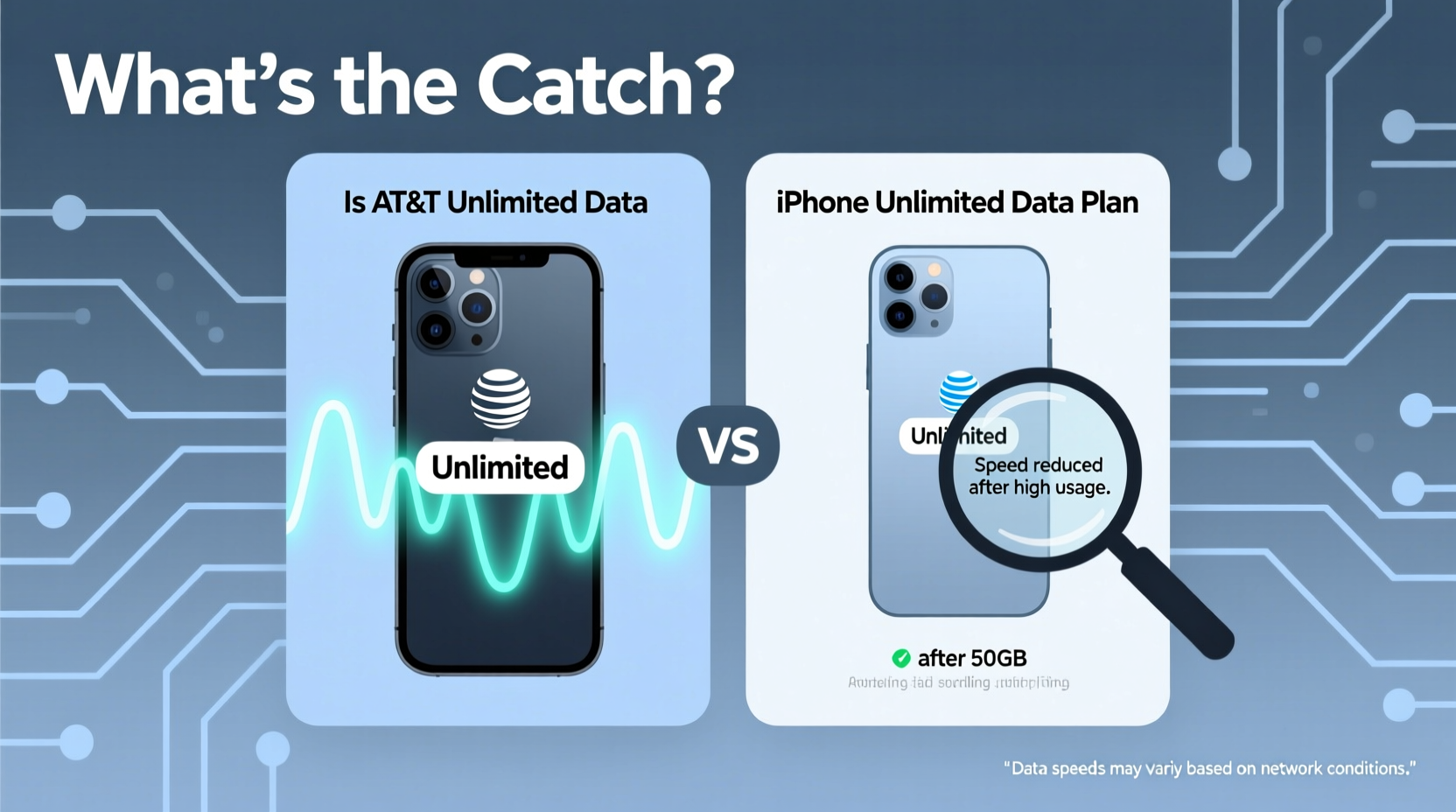
AT&T offers several tiers of unlimited service, each with varying levels of benefits. These include:
- Unlimited Starter – Basic unlimited with lower priority data and 5G access at reduced speeds.
- Unlimited Extra – Includes enhanced 5G, mobile hotspot (50GB high-speed), and some premium entertainment perks.
- Unlimited Elite – Highest priority on the network, international data, and maxed-out hotspot (100GB).
Purchasing an iPhone directly from Apple often defaults users into the Unlimited Extra or Elite plan, especially when financing the device. This creates the illusion of an exclusive “iPhone plan,” but in reality, it’s just a higher-tier AT&T offering. There is no unique network infrastructure or special optimization for iPhones—only plan selection and bundling convenience.
Network Prioritization: The Real Catch
The most significant difference between seemingly identical unlimited plans lies in network prioritization. During times of congestion—such as rush hour in a city or at a concert venue—AT&T manages traffic by deprioritizing certain users.
Customers on the Starter plan are more likely to experience slower speeds when the network is busy, while those on Elite enjoy higher priority status, meaning their data flows more reliably even during peak usage. This isn't throttling in the traditional sense; your data isn’t capped, but your effective speed may drop due to lower queue position.
“Many customers don’t realize that ‘unlimited’ doesn’t mean ‘equal.’ Higher-tier plans get preferential treatment on shared networks.” — David Lin, Wireless Industry Analyst at TechSignal Insights
This prioritization affects real-world performance. For example, an iPhone user on Starter might struggle to load a YouTube video during a commute, while another on Elite sees no interruption—all on the same network, same phone, same location.
Comparing Key Features Across Plans
| Feature | Unlimited Starter | Unlimited Extra | Unlimited Elite |
|---|---|---|---|
| Monthly Price (Single Line) | $75 | $85 | $95 |
| 5G Access | Limited (Lower Priority) | Enhanced | Max (Highest Priority) |
| Mobile Hotspot | 15GB at high speed | 50GB at high speed | 100GB at high speed |
| Video Quality | Up to 720p | Up to 1080p | 4K on compatible devices |
| International Data | No | 5GB (Mexico/Canada) | 10GB (Global) |
| Streaming Perks | None | HBO Max included | HBO Max + Warner Bros. discounts |
As shown, the jump from Starter to Elite brings tangible upgrades. If you frequently use your iPhone as a hotspot, stream HD content, or travel internationally, the higher-tier plan delivers noticeable value.
Real-World Example: Two Users, Same Phone, Different Experiences
Consider Sarah and James, both using the latest iPhone 15 Pro. Sarah bought hers through Apple with a carrier trade-in deal and was enrolled in Unlimited Elite. James opted for a cheaper monthly rate and chose the Starter plan at a local AT&T store.
During a weekend trip to downtown Chicago, both tried to upload videos to social media simultaneously. Sarah’s 4K clips uploaded smoothly within minutes. James, despite having full signal bars, saw his uploads stall repeatedly. His phone displayed full LTE strength, but actual throughput was sluggish.
The culprit? Network congestion near a packed stadium. AT&T’s system prioritized Sarah’s traffic due to her Elite status, while James’s data was temporarily slowed. Neither had exceeded a data cap—both were on “unlimited” plans—but their experiences diverged sharply based on plan tier.
What About iPhone Optimization?
A persistent myth suggests that iPhones receive better network performance on AT&T due to closer integration between Apple and the carrier. However, there is no technical evidence to support this. While iPhones support all major 5G bands used by AT&T, including mmWave and Dynamic Spectrum Sharing (DSS), so do many Android flagship devices.
AT&T does not allocate extra bandwidth, reduce latency, or improve ping times specifically for iOS devices. Any perceived advantage comes from the iPhone’s efficient modem software and antenna design—not carrier favoritism.
In fact, independent speed tests conducted by OpenSignal in 2023 showed minimal performance differences between top-tier iPhones and Samsung Galaxy models on the same AT&T plan. Hardware and plan tier matter far more than ecosystem alignment.
Step-by-Step Guide: Choosing the Right Plan for Your iPhone
- Assess your data habits: Do you stream in HD? Use your phone as a hotspot? Travel frequently?
- Check current promotions: Apple sometimes offers free months of HBO Max or discounted Elite plans when buying an iPhone.
- Compare total cost: Factor in device financing, taxes, and family plan discounts.
- Verify network coverage: Use AT&T’s coverage map to confirm strong 5G availability in your area.
- Review fine print: Look for data prioritization details, hotspot limits, and video resolution caps.
- Test before committing: Activate the plan and run speed tests at different times and locations.
Frequently Asked Questions
Does buying an iPhone from Apple guarantee a better data plan?
No. While Apple often bundles phones with higher-tier AT&T plans (like Unlimited Extra), you can choose any available plan regardless of purchase channel. The key is reading the details before checkout.
Can I switch from Starter to Elite later?
Yes. You can upgrade your plan at any time through your AT&T account. The change typically takes effect immediately, though pricing adjustments apply from the next billing cycle.
Is there a difference in emergency services or call quality?
No. All AT&T unlimited plans provide identical voice calling features, VoLTE support, and access to emergency services. Differences only appear in data speed and priority.
Final Thoughts: Know What You're Paying For
The term “iPhone unlimited data plan” is largely a marketing convenience. There is no proprietary network or special iPhone-only service. What matters is the specific AT&T unlimited tier you select—Starter, Extra, or Elite. Each offers progressively better performance, particularly under load.
If you're a light user who mostly checks email and messages, the base plan may suffice. But if you depend on seamless streaming, fast uploads, or reliable tethering, paying $20 more per month for Elite can be a smart investment in connectivity peace of mind.




 浙公网安备
33010002000092号
浙公网安备
33010002000092号 浙B2-20120091-4
Comments
No comments yet. Why don't you start the discussion?