
In the age of streaming platforms and on-demand entertainment, binge watching has become a cultural norm. With entire seasons available at the click of a button, it's easy to lose track of time and spend hours glued to a screen. While occasional indulgence may seem harmless, mounting research suggests that habitual binge watching carries significant health risks. From physical strain to mental fatigue, the consequences extend far beyond missed sleep or a sore back. Understanding these impacts—and learning how to enjoy media responsibly—can help preserve both short-term comfort and long-term well-being.
The Physical Toll of Prolonged Screen Time
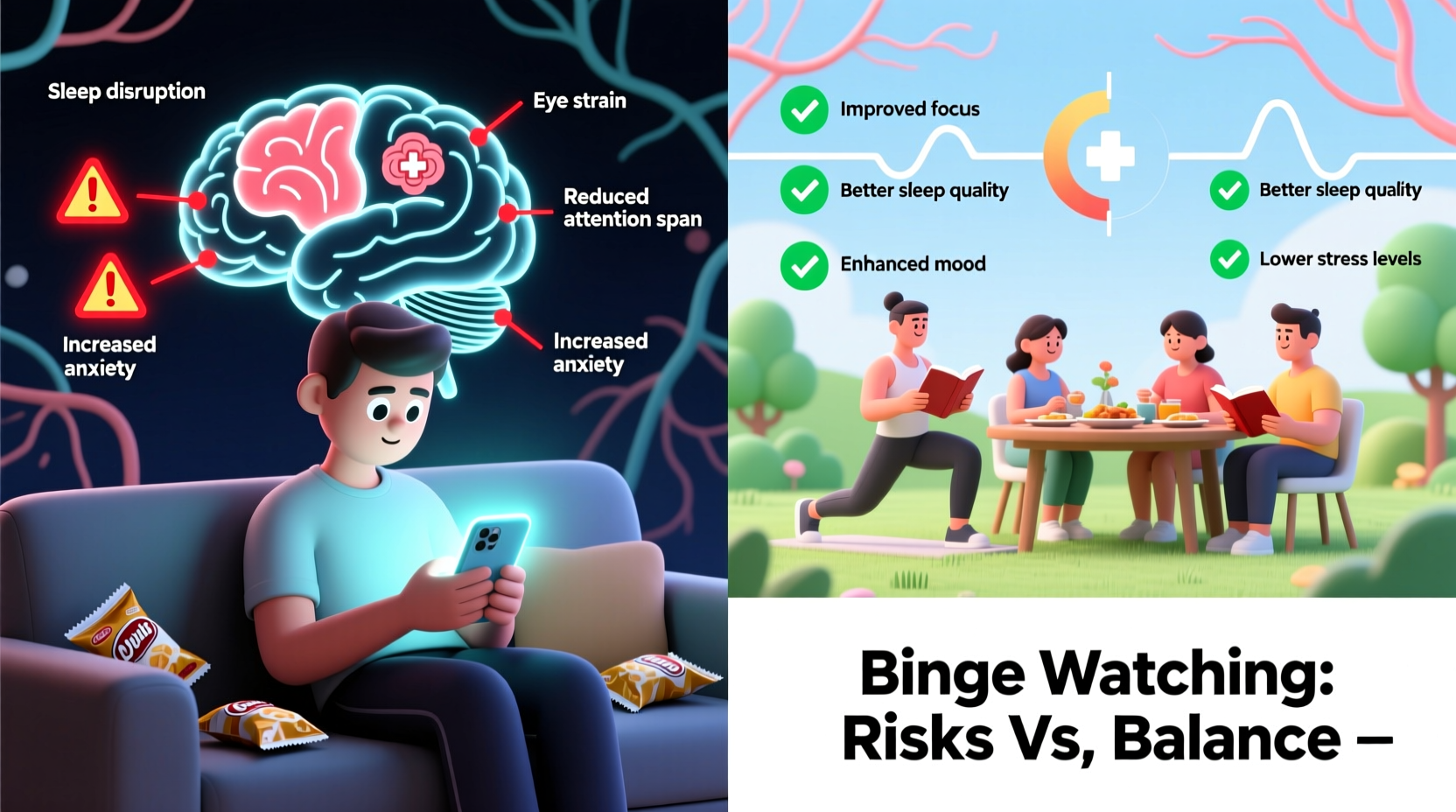
Sitting for extended periods is one of the most immediate dangers of binge watching. Studies consistently link prolonged sedentary behavior with increased risks of cardiovascular disease, type 2 diabetes, and obesity. When you're immersed in a gripping series, it’s common to skip breaks, meals, or physical activity altogether. This lack of movement slows metabolism, reduces circulation, and can contribute to blood clots over time.
Additionally, poor posture during long viewing sessions often leads to chronic musculoskeletal issues. Neck pain, lower back strain, and repetitive stress injuries from holding devices are increasingly reported among frequent viewers. The blue light emitted by screens also disrupts melatonin production, interfering with sleep quality and circadian rhythms.
Mental Health Implications of Excessive Viewing
Beyond physical concerns, binge watching can negatively affect emotional and psychological health. A 2019 study published in *Health Communication* found a strong correlation between binge watching and symptoms of depression, anxiety, and loneliness. While some viewers use television as a coping mechanism for stress, excessive use can create a feedback loop: emotional discomfort leads to more screen time, which in turn worsens mood and isolation.
The immersive nature of serialized storytelling can blur the line between fiction and reality, leading to emotional exhaustion. Viewers may experience “post-binge sadness” after finishing a beloved series—a sense of emptiness or disconnection once the narrative concludes. For individuals already prone to escapism, this pattern can reinforce avoidance behaviors and reduce engagement with real-life relationships and responsibilities.
“Binge watching isn’t inherently harmful, but when it replaces meaningful social interaction or self-care routines, it becomes a behavioral red flag.” — Dr. Lena Patel, Clinical Psychologist specializing in digital wellness
Do’s and Don’ts of Healthy Media Consumption
| Do’s | Don’ts |
|---|---|
| Limit episodes per sitting (e.g., max 2–3) | Watch late into the night regularly |
| Use commercial breaks or scene transitions as natural pause points | Ignore hunger, thirst, or bathroom needs |
| Pair viewing with light stretching or walking | Sit completely still for over two hours |
| Plan viewing times like any other activity | Let TV dictate your daily schedule |
| Choose content intentionally, not out of habit | Automatically play the next episode without pausing |
A Real-Life Example: The Cost of Unchecked Binge Watching
Consider Mark, a 32-year-old software developer who began watching a popular sci-fi drama during a stressful work period. Initially, he limited himself to one episode a night. But as the plot thickened, he started watching two, then three—eventually spending entire weekends completing full seasons. Over six months, Mark noticed declining energy, weight gain, and increasing irritability. He stopped meeting friends, skipped gym sessions, and began falling asleep at his desk. After a routine checkup revealed elevated blood pressure and early signs of insulin resistance, his doctor asked about lifestyle habits. It was only then that Mark connected his health decline to his viewing patterns. With structured limits and scheduled physical activity, he gradually regained balance—proving that awareness and small changes can make a significant difference.
How to Enjoy TV Without Sacrificing Health
Abstaining from binge watching entirely isn’t necessary—or realistic—for most people. Instead, adopting mindful viewing practices allows for enjoyment without compromising well-being. Here’s a step-by-step approach:
- Set Intentions Before Starting: Decide how many episodes you’ll watch and stick to it. Treat it like a planned appointment.
- Create a Pre-Viewing Checklist: Use the restroom, grab water, and do five minutes of light movement before settling in.
- Enable Auto-Pause Features: Disable auto-play on streaming services or manually stop after each episode to reassess whether to continue.
- Incorporate Movement Breaks: During each break, perform simple stretches—neck rolls, shoulder shrugs, standing side bends—to counteract stiffness.
- Establish a Cut-Off Time: Avoid watching within 90 minutes of bedtime to protect sleep hygiene.
- Reflect Weekly: Ask yourself: Did my viewing enhance my week, or did it interfere with goals, relationships, or rest?
Frequently Asked Questions
How many hours of TV is considered binge watching?
There’s no universal standard, but researchers typically define binge watching as viewing 2 or more consecutive episodes of a TV show in one sitting. Some studies classify sessions exceeding 3–4 hours without significant breaks as high-risk binges.
Can binge watching cause permanent damage?
While isolated incidents are unlikely to cause lasting harm, chronic binge watching—especially when combined with poor diet, inactivity, and disrupted sleep—can contribute to long-term conditions such as heart disease, metabolic syndrome, and chronic back problems. Mental health effects like increased anxiety or depressive symptoms may also persist if unhealthy viewing habits remain unaddressed.
Is there a healthy way to binge occasionally?
Yes—moderation and intentionality are key. If you choose to binge for a special occasion, prepare by staying hydrated, taking regular movement breaks, avoiding heavy snacks, and resuming normal routines afterward. Planning recovery time—like an early bedtime or a walk the next day—helps mitigate negative effects.
Conclusion: Reclaim Control Over Your Viewing Habits
Binge watching isn’t inherently dangerous, but treating it as a default pastime without boundaries can take a toll on both body and mind. The convenience of endless content should not come at the expense of health, relationships, or personal fulfillment. By setting limits, staying physically active, and remaining aware of emotional triggers, you can enjoy your favorite shows without letting them dominate your life. Small shifts in behavior today can lead to better sleep, improved mood, and greater energy tomorrow. The power to change lies not in eliminating entertainment, but in choosing how—and how much—you engage with it.




 浙公网安备
33010002000092号
浙公网安备
33010002000092号 浙B2-20120091-4
Comments
No comments yet. Why don't you start the discussion?