
As winter approaches and neighborhoods begin transforming into festive wonderlands, homeowners face a recurring question: how far should they go to elevate their holiday displays? One increasingly popular addition is the blowing snow machine—a device designed to simulate gently falling snow, creating a magical atmosphere regardless of actual weather conditions. But is it truly worth the investment? For those aiming to boost curb appeal, impress neighbors, or simply enjoy a more immersive seasonal experience, this article breaks down every factor that matters: cost, realism, maintenance, neighborhood impact, and long-term value.
The Allure of Artificial Snow: More Than Just Aesthetic
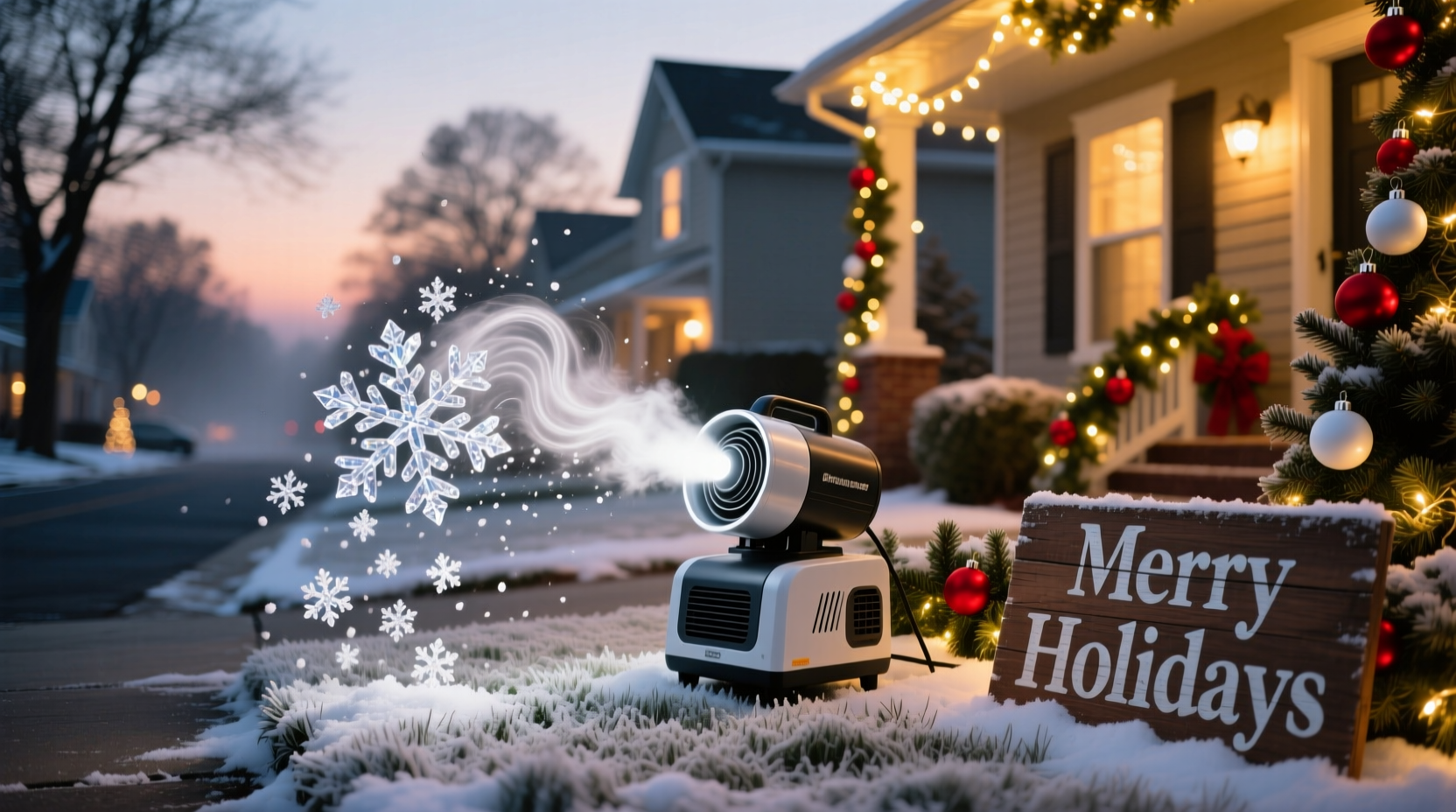
The charm of freshly fallen snow has long been tied to the emotional core of the holidays. It evokes nostalgia, warmth, and a sense of stillness. However, not all regions reliably receive snow during December, and even when they do, it may melt quickly or arrive too late for peak display season. This gap in natural conditions has created a market for artificial solutions—none more visually striking than the blowing snow machine.
These machines work by combining water and compressed air to produce fine, snow-like mist that drifts downward, mimicking the look of real snowfall. Some models include built-in lighting, remote controls, and variable intensity settings to adjust the “storm” from a light flurry to a heavy blizzard. The result is a dynamic, atmospheric effect that static lights or inflatables can’t replicate.
Cost vs. Curb Appeal: Is the Investment Justified?
Purchasing a blowing snow machine typically ranges from $150 to $500, depending on brand, output capacity, and features. Higher-end models offer wider dispersion, quieter operation, and better durability in freezing temperatures. While not exorbitant, this is a significant step up from stringing LED lights or setting up a single inflatable Santa.
But curb appeal isn’t just about spending money—it’s about perceived value. A well-executed holiday display can increase property desirability, especially in competitive real estate markets where first impressions matter. Real estate professionals often note that homes with tasteful, high-effort decorations tend to stand out during winter open houses.
“Homes with curated seasonal displays are remembered longer. They create emotional resonance, which can subtly influence buyer perception.” — Dana Whitmore, Residential Real Estate Consultant, Midwest Region
From a purely financial standpoint, a blowing snow machine won’t increase your home’s appraised value. However, its contribution to ambiance and neighborhood presence can be substantial. In areas where holiday spirit is highly valued, such a display may enhance social capital, strengthen community ties, and even become a local attraction.
Comparative Value: Snow Machine vs. Other Holiday Upgrades
| Feature | Blowing Snow Machine | LED Light Upgrade | Inflatable Display | Professional Lighting Service |
|---|---|---|---|---|
| Average Cost | $150–$500 | $50–$200 | $80–$300 | $500–$2,000+ |
| Lifespan (Years) | 3–7 | 5–10 | 2–5 | 5–15 (with maintenance) |
| Installation Time | 20–45 minutes | 1–4 hours | 10–20 minutes | 4–8 hours (pro install) |
| Curb Appeal Impact | High (unique, atmospheric) | Moderate (common but effective) | Moderate to High (depends on size) | Very High (polished, consistent) |
| Energy Use | Moderate (motor + pump) | Low | Low | Moderate to High |
| Weather Dependency | Requires temps below 38°F | None | Wind-sensitive | Minimal |
The table shows that while a snow machine isn’t the cheapest or longest-lasting option, it scores high on uniqueness and emotional impact—key drivers of memorable curb appeal.
Practical Considerations: Installation, Maintenance, and Limitations
Before investing, it’s essential to understand the practical realities of owning and operating a blowing snow machine. Unlike plug-and-forget decor, these devices require attention to detail for optimal performance and longevity.
Operating Conditions Matter
Snow machines only function effectively when ambient temperatures are at or below 38°F (3°C). Above this threshold, the mist evaporates before reaching the ground, resulting in visible vapor but no “snow” accumulation. This limits their usefulness in mild climates or during unseasonably warm Decembers.
Additionally, wind can disrupt the snow pattern, scattering the effect unevenly. For best results, position the machine in a sheltered area, ideally near the front corner of the house where it can cover landscaping, walkways, and entry features without interference.
Maintenance Requirements
After each use, the internal water lines must be drained to prevent freezing and cracking. Residual moisture can damage pumps and nozzles over time. Some models come with auto-drain features, but many require manual intervention. At the end of the season, thorough cleaning with distilled water helps prevent mineral buildup, especially if tap water is used.
Real-World Example: The Johnson Family’s Snow Experiment
In suburban Milwaukee, the Johnson family installed a mid-range blowing snow machine in 2022 after years of traditional light displays. Their goal was simple: make their home feel like a storybook Christmas scene, especially since real snow had been sparse in recent winters.
They placed the unit on the edge of their garage roof, angled toward the front yard trees and porch. Using a timer, they ran it from 5 PM to 10 PM nightly throughout December. The effect was immediate—neighbors began stopping by, children pointed from passing cars, and a local news station featured their home in a “Best Holiday Lights” segment.
More importantly, the display sparked new community interactions. The Johnsons started hosting a weekly hot cocoa night on their porch during snow machine hours, turning their display into a shared experience. By January, they estimated over 500 visitors had passed by, many leaving thank-you notes or cookies.
While the initial cost was $380, including a weatherproof extension cord and mounting bracket, the Johnsons viewed it as a long-term investment in neighborhood goodwill and family tradition. Now entering their third season, the machine remains fully functional with minimal upkeep.
Step-by-Step Guide to Evaluating and Installing a Snow Machine
Deciding whether a snow machine fits your needs requires more than impulse—it demands planning. Follow this timeline to ensure success:
- Week 1: Assess Your Climate
Review historical December temperatures in your area. If average highs exceed 45°F, a snow machine may deliver inconsistent results. - Week 2: Define Your Budget
Determine how much you’re willing to spend—not just on the unit, but also accessories like timers, hoses, and mounting hardware. - Week 3: Research Models
Compare brands like SnowMaster, SnowTek, and Mr. Snowman. Read user reviews focusing on reliability, noise level, and ease of storage. - Week 4: Plan Placement and Power Access
Identify a location with access to an outdoor GFCI outlet. Ensure the area allows for drainage and doesn’t direct mist toward sidewalks (which could create ice). - Week 5: Purchase and Test
Buy early to avoid holiday shortages. Test the machine in cooler weather before committing to daily use. - Week 6: Install and Optimize
Mount securely, connect to water source (garden hose), and adjust angle for maximum visual effect. Run a trial evening to observe performance. - Ongoing: Maintain and Monitor
Drain after each use, clean monthly, and store indoors when not in use. Replace worn nozzles as needed.
Common Pitfalls to Avoid
- Ignoring Ice Buildup: Melted snow machine output can refreeze on walkways, creating slip hazards. Always monitor ground conditions and salt paths if necessary.
- Overestimating Coverage: Most consumer models cover 15–25 feet. Don’t expect to blanket an entire acre—plan for focal points instead.
- Neglecting Noise Levels: Some units emit a noticeable hum. If you have close neighbors, test at night to ensure it won’t be disruptive.
- Using Hard Water: Mineral deposits clog nozzles over time. Use filtered or distilled water when possible.
FAQ: Your Top Questions Answered
Can I leave my snow machine outside all winter?
No. Even weather-resistant models should be stored indoors when not in use. Exposure to freezing temperatures, moisture, and debris shortens lifespan. Disconnect, drain, and store in a dry garage or basement.
Does the “snow” make a mess or damage plants?
The output is primarily water vapor and dissipates quickly. It does not accumulate like real snow and poses no risk to healthy plants. However, avoid directing constant mist onto delicate evergreens or window sills where moisture could cause staining.
Are snow machines safe around children and pets?
Yes, the machines themselves are safe when properly installed. The mist is non-toxic, and most units have safety shut-offs. However, keep cords secured and avoid placing the unit where it could be knocked over.
Final Checklist: Is a Blowing Snow Machine Right for You?
“Holiday curb appeal isn’t about extravagance—it’s about intentionality. A snow machine works best when it complements a cohesive vision, not when it’s added just because it looks cool.” — Marcus Lin, Landscape Designer & Seasonal Display Consultant
Use this checklist to determine if a snow machine aligns with your goals:
- ✅ Do you live in a region where temperatures regularly fall below 38°F in December?
- ✅ Do you already have a strong holiday display foundation (e.g., lights, wreaths, themed decor)?
- ✅ Do you have a safe, elevated spot to mount the machine with access to water and power?
- ✅ Are you willing to perform basic maintenance (draining, cleaning, storing)?
- ✅ Do you value unique, atmospheric effects over mass-appeal items like giant reindeer?
- ✅ Can you budget $150–$500 without straining your holiday spending?
- ✅ Do you want to create a memorable experience for neighbors, not just passive decoration?
If you answered “yes” to at least five of these, a blowing snow machine is likely a worthwhile addition.
Conclusion: Weighing Magic Against Practicality
A blowing snow machine isn’t for everyone. It won’t pay for itself, and it won’t survive indefinitely without care. But for those who value atmosphere, storytelling, and the subtle art of holiday impression-making, it offers something rare: a sensory experience that goes beyond lights and plastic figures.
The true worth of such a device lies not in resale value or energy efficiency, but in moments created—children pausing to watch fake snow swirl in the porch light, neighbors waving from their driveways, the quiet joy of stepping outside to a miniature winter scene you made yourself.
If your goal is genuine curb appeal—one that resonates emotionally and stands out in a sea of predictable decor—then yes, a blowing snow machine can be absolutely worth it. It’s not just about looking festive. It’s about feeling it.




 浙公网安备
33010002000092号
浙公网安备
33010002000092号 浙B2-20120091-4
Comments
No comments yet. Why don't you start the discussion?