
In an age where screens dominate our lives—from smartphones and laptops to televisions and tablets—concerns about digital eye strain and skin damage from blue light exposure have grown. As a result, beauty brands have introduced a new category: blue light blocking makeup. These products claim to shield your skin from high-energy visible (HEV) light emitted by electronic devices, preventing premature aging, hyperpigmentation, and dullness. But with so many skincare-infused cosmetics already on the market, is this innovation truly beneficial—or just another marketing gimmick?
To answer that question, we need to explore the science behind blue light, how it affects the skin, what these specialized makeup formulas actually do, and whether they offer tangible benefits over traditional sun protection and antioxidants.
The Science Behind Blue Light and Skin Health
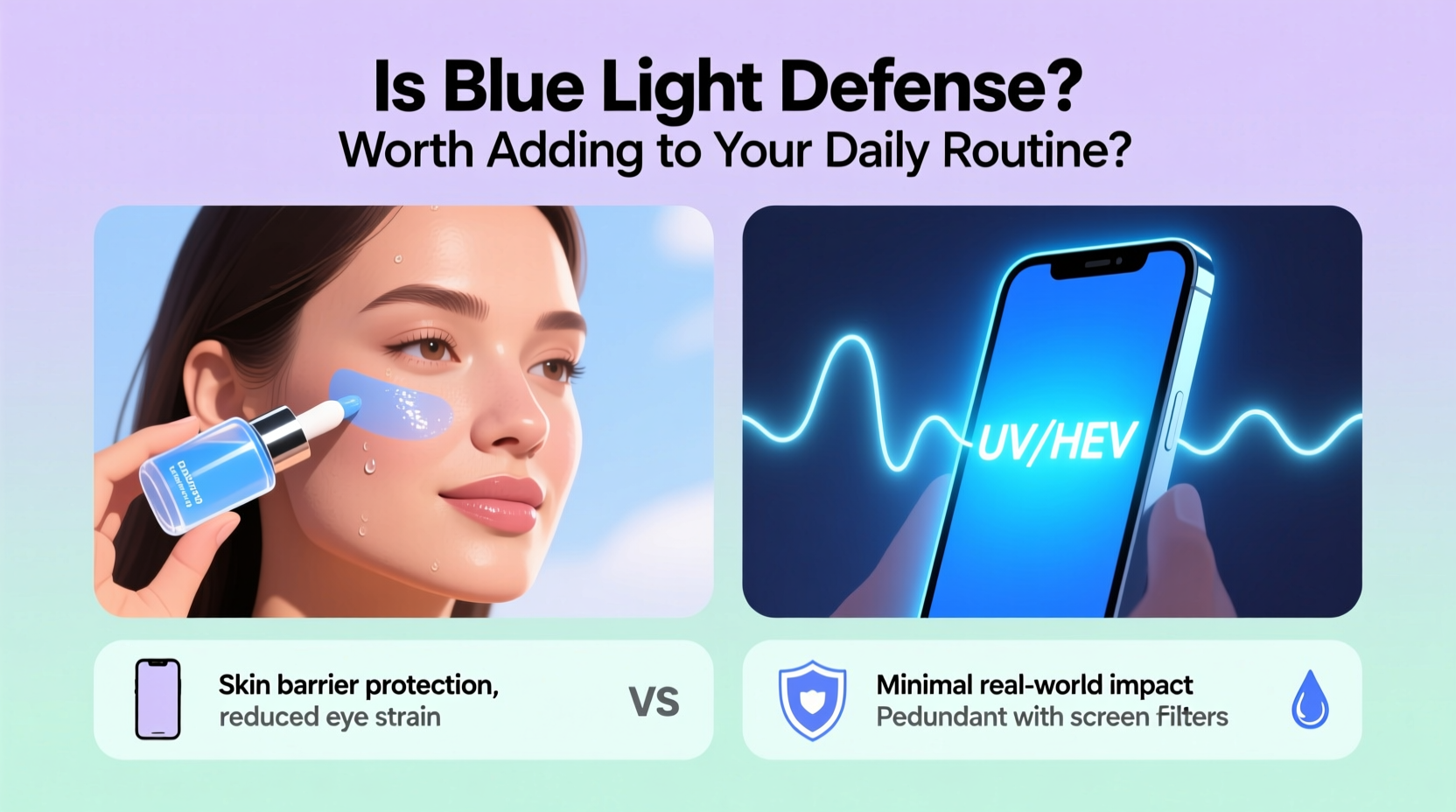
Blue light, or high-energy visible (HEV) light, occupies the 400–500 nanometer range of the visible light spectrum. While natural sunlight is the primary source, digital screens also emit a smaller—but consistent—amount of HEV light. Unlike UV radiation, which primarily affects the deeper layers of the skin and is a well-established cause of photoaging and skin cancer, blue light penetrates more superficially but can still generate oxidative stress.
Studies suggest that prolonged exposure to blue light may contribute to:
- Increased free radical production: Leading to collagen breakdown and premature wrinkles.
- Melanin stimulation: Especially in individuals with darker skin tones, potentially worsening melasma or post-inflammatory hyperpigmentation.
- Disruption of circadian rhythm: Though this primarily affects sleep, disrupted sleep cycles can indirectly impair skin repair and barrier function.
A 2010 study published in the Journal of Investigative Dermatology found that blue light exposure caused more immediate pigment changes in skin than UVA exposure, particularly in people with medium to dark complexions. However, the intensity used in the study far exceeded typical screen exposure levels.
“While blue light from screens is significantly less intense than sunlight, chronic low-level exposure combined with other environmental stressors could contribute to cumulative skin damage over time.” — Dr. Lena Park, Board-Certified Dermatologist
The key takeaway? Natural sunlight remains the dominant source of skin-damaging blue light. A few hours of scrolling won’t compare to spending a day outdoors without sunscreen. Still, for those already layering skincare defenses, blue light blocking makeup may offer an additional line of protection—especially when paired with other preventive habits.
How Blue Light Blocking Makeup Works
Unlike sunglasses or screen filters, which physically block blue light, cosmetic formulations rely on ingredients that either absorb, reflect, or neutralize HEV radiation. Common components include:
- Iron oxides: Particularly effective at scattering blue light. Often found in tinted sunscreens and foundations, they are especially beneficial for preventing pigmentation issues.
- Antioxidants: Such as vitamin C, ferulic acid, niacinamide, and resveratrol, which counteract free radicals generated by light exposure.
- Mineral UV filters: Zinc oxide and titanium dioxide provide broad-spectrum protection and some defense against visible light, especially in higher concentrations and tinted versions.
- Specialized pigments: Some brands incorporate proprietary compounds designed to deflect blue wavelengths.
It's important to note that most blue light protection in makeup comes incidentally from iron oxides and antioxidants rather than a dedicated “blue light shield” technology. In other words, many tinted moisturizers and mineral-based foundations already offer some degree of protection—without being marketed as such.
Comparing Protection: Sunscreen vs. Blue Light Makeup vs. Antioxidant Serums
To assess whether blue light blocking makeup is worth incorporating into your routine, it helps to compare its protective value against other proven skincare staples. The table below summarizes key differences:
| Product Type | UV Protection | Blue Light Protection | Additional Benefits |
|---|---|---|---|
| Chemical Sunscreen | High | Low (unless tinted) | Lightweight, cosmetically elegant |
| Tinted Mineral Sunscreen | High | Moderate to High (due to iron oxides) | Protects against visible light, anti-inflammatory |
| Blue Light Blocking Foundation | Varies (often minimal unless SPF added) | Moderate (if contains iron oxides/antioxidants) | Even skin tone, lightweight coverage |
| Antioxidant Serum | None | High (neutralizes free radicals from all sources) | Anti-aging, brightening, repairs barrier |
The data shows that while blue light blocking makeup offers moderate protection, it should not replace broad-spectrum sunscreen or antioxidant serums. Instead, it functions best as a complementary step—particularly for those who spend long hours in front of screens and want every possible defense layered in.
Real-World Example: The Remote Worker’s Routine
Consider Sarah, a 32-year-old graphic designer who works remotely. She spends 8–10 hours daily in front of dual monitors, often late into the evening. Over the past year, she noticed increased dullness and dark spots along her cheekbones—areas directly exposed to her desk lamp and screen glare.
After consulting a dermatologist, Sarah learned that while UV exposure wasn’t the culprit (she works indoors), the combination of blue light and artificial lighting might be contributing to oxidative stress. Her skincare regimen included a vitamin C serum in the morning and a retinol at night, but she wasn’t using tinted sunscreen.
She made two changes:
- Switched to a tinted mineral sunscreen with SPF 40 and iron oxides.
- Started using a foundation labeled as “blue light defending” with added niacinamide and licorice root extract.
Within three months, her skin appeared brighter, and the progression of dark spots slowed significantly. While it’s impossible to attribute the improvement solely to blue light protection, the addition of iron oxides and antioxidants likely played a role—especially since she maintained all other aspects of her routine.
This case illustrates that for high-exposure individuals, especially those prone to pigmentation, blue light-focused products can be a valuable addition—not a standalone solution.
When Blue Light Makeup Makes Sense (And When It Doesn’t)
Not everyone needs to rush out and buy blue light blocking foundation. Whether it’s worth incorporating depends on your lifestyle, skin type, and existing routine.
Who Might Benefit Most:
- Individuals with melasma or hyperpigmentation concerns.
- People who work long hours in front of screens near windows (exposed to both sunlight and HEV).
- Those living in urban environments with significant nighttime light pollution.
- Makeup wearers seeking multitasking products with added skincare benefits.
Who May Not Need It:
- People who already use tinted mineral sunscreen daily.
- Those with minimal screen time or mostly outdoor lifestyles (where UV protection is more critical).
- Individuals on a tight budget—many benefits can be achieved through cheaper alternatives like antioxidant serums.
Step-by-Step Guide to Building a Blue Light Defense Routine
You don’t need to overhaul your entire routine to defend against blue light. Follow these steps to integrate protection intelligently:
- Start with an antioxidant serum: Apply a vitamin C or ferulic acid serum in the morning to neutralize free radicals before they damage collagen.
- Use a tinted mineral sunscreen: Choose one with iron oxides (often visibly tinted) to block both UV and visible light.
- Select makeup with added benefits: Opt for foundations or BB creams containing niacinamide, green tea extract, or other antioxidants.
- Limit screen brightness and use night mode: Reduce overall exposure by adjusting device settings, especially in the evening.
- Reapply if needed: While you can’t reapply makeup easily, consider a setting spray with antioxidants for a midday boost.
This layered approach ensures comprehensive protection without relying on any single product to do all the work.
Frequently Asked Questions
Does blue light from phones really damage skin?
Current evidence suggests that the amount of blue light emitted by phones is too low to cause significant skin damage on its own. However, when combined with other factors like UV exposure, pollution, and poor sleep, it may contribute to cumulative oxidative stress—especially in sensitive or pigmentation-prone skin.
Can I skip sunscreen if I use blue light blocking makeup?
No. Most blue light makeup does not contain adequate SPF. Without explicit broad-spectrum protection, you remain vulnerable to UV damage, which poses a far greater risk than HEV light. Always wear sunscreen underneath, even if your makeup claims blue light defense.
Are there natural ways to protect skin from blue light?
Yes. A diet rich in antioxidants (berries, leafy greens, nuts) supports skin resilience. Topically, ingredients like vitamin E, astaxanthin, and pomegranate extract have shown protective effects against visible light in studies. Pairing internal and external strategies enhances overall defense.
Checklist: Is Blue Light Blocking Makeup Right for You?
Answer the following to determine if it’s a worthwhile addition:
- ☐ Do you spend 6+ hours daily in front of screens?
- ☐ Have you noticed increased pigmentation or dullness despite sun protection?
- ☐ Are you already using antioxidants and mineral sunscreen?
- ☐ Does your current foundation lack iron oxides or SPF?
- ☐ Are you looking for multitasking products to simplify your routine?
If you checked three or more, exploring blue light defending makeup could be beneficial—provided it complements, not replaces, your core skincare.
Final Verdict: Worthwhile Addition, Not a Necessity
Blue light blocking makeup isn’t essential for everyone, but it can be a smart upgrade for specific users. Its value lies not in revolutionary technology, but in thoughtful formulation—combining pigments and antioxidants that already belong in a robust skincare regimen.
Rather than chasing buzzwords, focus on ingredients: iron oxides, broad-spectrum SPF, and proven antioxidants. If a product delivers these under the label of “blue light defense,” it’s likely a quality choice. But if it lacks SPF or relies solely on marketing claims, it may not be worth the extra cost.
The bottom line? Blue light protection is just one piece of the modern skin defense puzzle. When integrated wisely, it can support healthier, more resilient skin—especially in our digitally saturated world.




 浙公网安备
33010002000092号
浙公网安备
33010002000092号 浙B2-20120091-4
Comments
No comments yet. Why don't you start the discussion?