
For many, a designer handbag represents more than just an accessory—it's a symbol of success, style, and personal taste. But with price tags often exceeding thousands of dollars, the question arises: is it truly worth investing in a luxury bag when high-quality, affordable alternatives exist? The answer isn’t simply yes or no. It depends on your values, lifestyle, budget, and long-term goals. By examining craftsmanship, durability, resale potential, emotional value, and practical use, we can determine whether a designer bag delivers real value—or just perceived prestige.
Quality and Craftsmanship: What You’re Actually Paying For
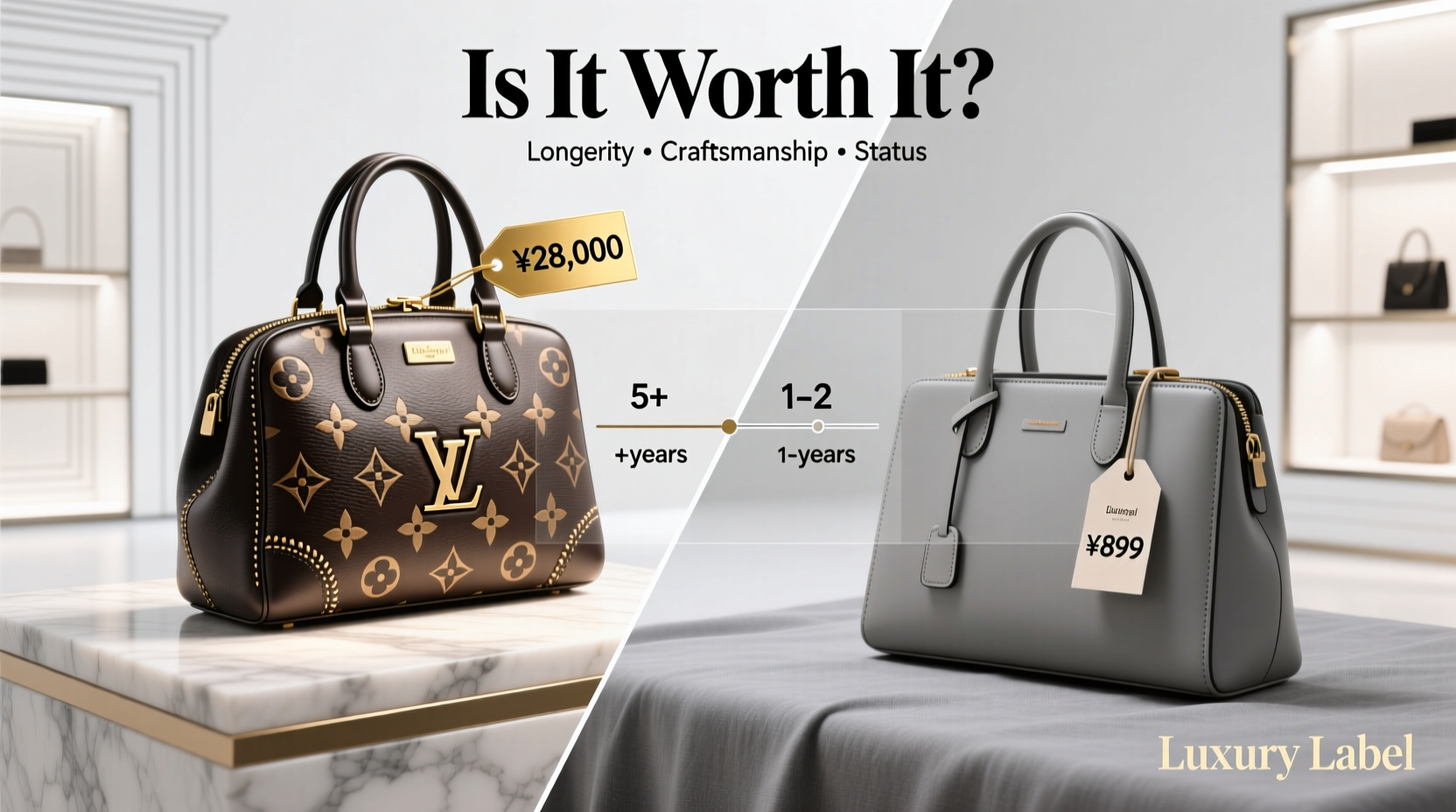
Luxury handbags are typically made with premium materials—full-grain leather, exotic skins, precision hardware, and meticulous stitching. Brands like Hermès, Chanel, and Louis Vuitton employ artisans who spend dozens of hours on a single bag. This level of attention ensures structural integrity, longevity, and aesthetic consistency.
In contrast, most affordable bags use synthetic leathers, lower-grade hardware, and mass-production techniques. While some mid-tier brands (like Polène or Strathberry) offer excellent construction at lower prices, they still don’t match the hand-finishing and material sourcing of top-tier designers.
“Luxury isn’t about the logo. It’s about the time, skill, and materials that go into each piece.” — Clara Nguyen, Luxury Accessories Curator at Paris Fashion Archive
Longevity vs. Trend Cycles: Investment Over Time
A well-maintained designer bag can last 10–20 years or more. With proper care, leather develops a patina that enhances its character rather than degrading it. In contrast, cheaper bags may show wear within months—cracking leather, peeling finishes, broken zippers, or sagging shapes.
Consider this: a $3,000 bag used daily for five years costs $600 per year. A $150 bag replaced every six months costs $300 per year—but requires constant replacement and lacks consistency in style or function.
| Factor | Designer Bag | Cheap Alternative |
|---|---|---|
| Material Quality | Premium leather, metal hardware | Faux leather, plastic zippers |
| Lifespan | 5–20+ years | 6 months – 3 years |
| Resale Value | 50–80% of retail (for iconic models) | Near zero |
| Repair Options | Brand repair services available | Limited or none |
| Emotional Attachment | Often high—seen as heirloom pieces | Low—disposable fashion |
The Resale Market: Turning Luxury Into Liquid Assets
One of the strongest arguments for buying designer lies in resale value. Iconic models like the Hermès Birkin, Chanel Classic Flap, or Gucci Jackie often retain or even appreciate in value. According to Rebag’s 2023 “Luxury Handbag Resale Report,” certain Chanel bags appreciated by over 70% in a decade.
This transforms a handbag from a pure expense into a semi-investment. If you plan to sell later, the effective cost of ownership drops significantly. Some buyers even profit after several years.
Conversely, fast-fashion bags lose nearly all value immediately. No resale market exists for most non-designer brands, making them purely consumable items.
Mini Case Study: Sarah’s Two-Bag Strategy
Sarah, a marketing executive in Chicago, owns both a vintage Chanel flap bag and a $75 vegan-leather tote. She uses the Chanel for client meetings and events—its timeless design and craftsmanship reflect professionalism. She keeps the affordable tote for travel and rainy days, knowing it won’t hurt if it gets damaged.
After seven years, she sold her Chanel for 65% of its original price, effectively paying less than $400 per year. The tote lasted two years before showing wear and was discarded. Her strategy? “Use luxury where it shows. Use practicality where it matters.”
Psychological and Lifestyle Factors
Beyond tangible benefits, there’s an emotional dimension. Many report increased confidence or satisfaction when carrying a designer bag. Psychologists refer to this as \"enclothed cognition\"—the idea that what we wear influences how we think and behave.
If a designer bag motivates you to dress better, feel more professional, or aligns with your personal brand, that intangible value counts. However, it’s crucial to distinguish between authentic desire and social pressure. Buying a luxury item to impress others rarely leads to lasting satisfaction.
- Do you value timeless design over seasonal trends?
- Do you keep accessories long-term?
- Does owning something well-made bring you joy?
If you answered yes, a designer bag may be worth it—not because of the brand, but because of how it fits your life.
Step-by-Step Guide: How to Decide If a Designer Bag Is Right for You
- Assess your current bag usage. How often do you replace bags? Are you constantly repairing or discarding them?
- Define your style philosophy. Do you prefer classic, enduring pieces or trendy, short-term styles?
- Set a realistic budget. Never stretch beyond comfort. Consider saving over time instead of financing.
- Research resale value. Check platforms like Rebag, Vestiaire Collective, or Fashionphile for pricing history on models you like.
- Try before you buy. Visit a boutique to feel the weight, check the interior layout, and test the strap comfort.
- Wait 30 days. Avoid impulse buys. If you still want it after a month, it’s likely a considered choice.
Checklist: Before Purchasing a Designer Handbag
- ✅ I’ve researched the bag’s build quality and reputation
- ✅ I know its resale value and demand on secondhand markets
- ✅ It fits my daily needs (size, weight, compartments)
- ✅ The style complements my wardrobe long-term
- ✅ I can afford it without debt or financial strain
- ✅ I’ve compared it to 1–2 high-quality non-luxury options
- ✅ I’m buying for myself, not external validation
FAQ
Can a cheap bag ever be as good as a designer one?
Some contemporary brands offer exceptional value with near-luxury construction at lower prices. Brands like Danse Lente, A.P.C., or Senreve focus on minimalist design and durable materials. However, they rarely match the heritage craftsmanship or resale power of established luxury houses.
Are all designer bags worth the price?
No. Not every luxury bag holds value or offers superior functionality. Limited-edition collaborations or overly trendy designs may depreciate quickly. Always evaluate the specific model, not just the brand name.
What’s the best way to maintain a designer bag?
Store it in a dust bag, away from sunlight and moisture. Stuff it with acid-free paper to maintain shape. Clean leather gently with pH-balanced wipes. Have hardware polished professionally if needed. Rotate usage to prevent overwear.
“Buying a luxury bag should be a mindful decision, not a reflex. Ask: Will I love this in five years?” — Marcus Liu, Vintage Luxury Dealer, London
Conclusion
Whether a designer handbag is worth it over a cheaper alternative depends entirely on your priorities. If you value longevity, craftsmanship, emotional resonance, and potential resale return, then yes—a well-chosen luxury bag can be a smart, fulfilling investment. But if you prioritize variety, trendiness, or minimal financial commitment, affordable alternatives offer flexibility and low risk.
The key is intentionality. Avoid buying luxury just because it’s expected. Instead, choose based on how the bag serves your life, reflects your identity, and aligns with your values. When purchased thoughtfully, a designer handbag isn’t just an accessory—it’s a deliberate act of self-expression and long-term thinking.




 浙公网安备
33010002000092号
浙公网安备
33010002000092号 浙B2-20120091-4
Comments
No comments yet. Why don't you start the discussion?