
For fashion enthusiasts and collectors, the allure of a luxury handbag—be it a Chanel flap, Hermès Birkin, or Louis Vuitton Neverfull—is undeniable. These pieces represent craftsmanship, status, and timeless style. But as resale platforms like The RealReal, Vestiaire Collective, and Rebag grow in popularity, a critical question arises: is paying full retail price for a brand-new luxury bag truly worth it when you can acquire the same (or similar) piece pre-owned at a fraction of the cost?
The answer isn’t straightforward. It depends on personal values, budget, lifestyle, and long-term goals. While some buyers prioritize pristine condition and authenticity assurance from boutiques, others see smart investment potential in gently used designer bags. This article breaks down the financial, aesthetic, and emotional factors behind both choices to help you decide what’s right for your wardrobe—and wallet.
Cost Comparison: New vs. Pre-Owned Luxury Bags
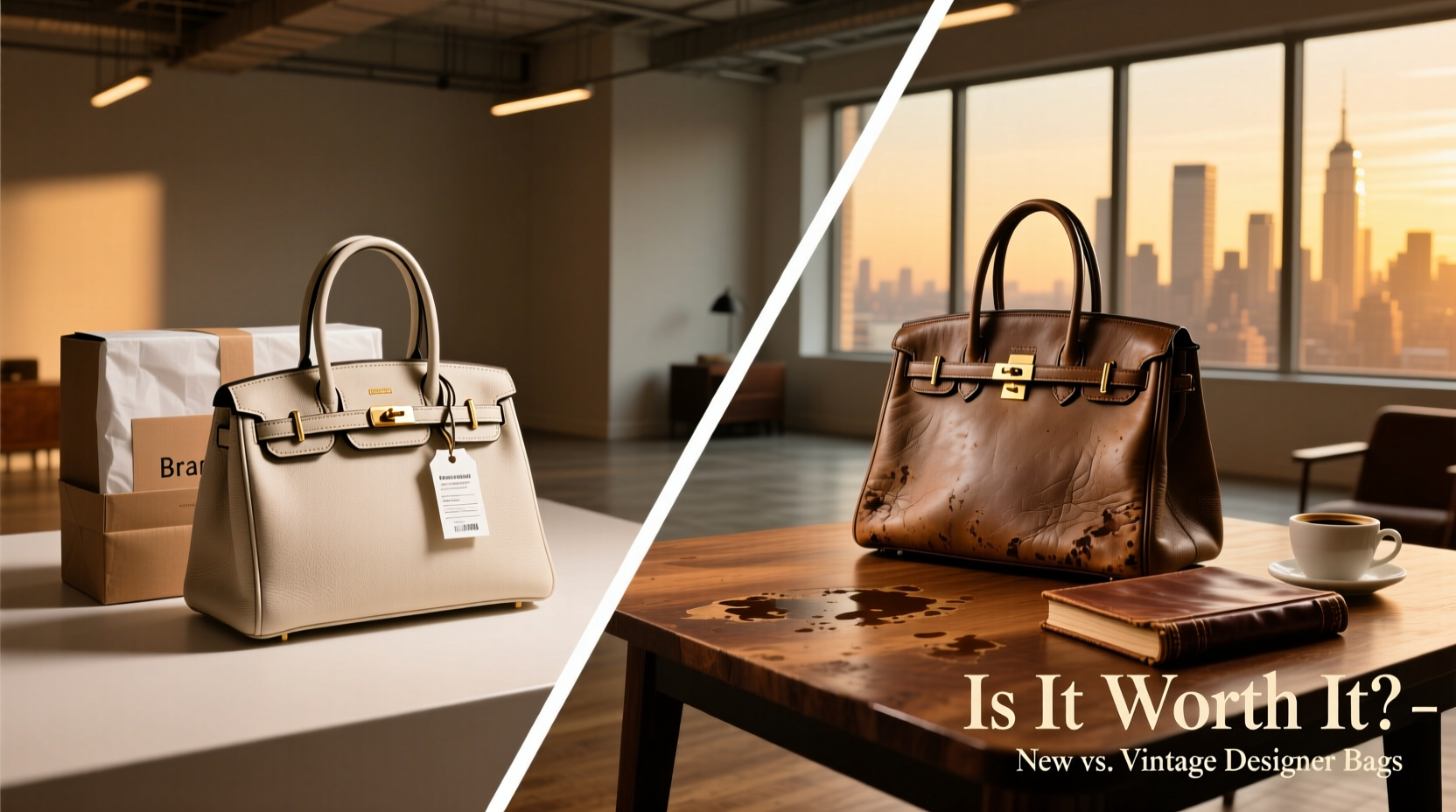
Luxury handbags are among the few consumer goods that often retain—or even appreciate in—value over time. However, the initial depreciation upon purchase is steep. A brand-new designer bag loses a significant portion of its value the moment it leaves the store, much like a new car.
| Benchmark | New Bag (Retail) | Pre-Owned Bag (Gently Used) |
|---|---|---|
| Average Price (e.g., Chanel Classic Flap) | $10,500 | $6,800–$7,500 |
| Immediate Depreciation | ~20–30% after first use | Already depreciated |
| Authenticity Guarantee | Direct from boutique | Varies by seller/platform |
| Warranty & Receipts | Included | Rarely included |
| Sustainability Factor | New production footprint | Extends product lifecycle |
As shown, buying pre-owned can save thousands instantly. For example, a nearly new Gucci Marmont matelassé bag might retail for $2,480 but sell for $1,600–$1,900 in excellent condition on the secondhand market—a 25–35% discount without sacrificing aesthetics or function.
Condition and Longevity: What You’re Really Paying For
When you buy new, you control the bag’s entire lifecycle from day one. There’s no wear on the corners, no scratches on the hardware, and no mystery about storage conditions. But with responsible care, a well-maintained used bag can look virtually indistinguishable from new.
High-end materials like caviar leather (Chanel), Epsom (Hermès), or coated canvas (Louis Vuitton) are designed to endure. Minor scuffs can often be professionally buffed out, and linings replaced if necessary. Many reputable resellers now offer condition grading—ranging from “like new” to “well-loved”—so buyers know exactly what they’re getting.
“Over 70% of the pre-owned luxury bags we authenticate show minimal wear and perform just as well as new ones after servicing.” — Lena Park, Authentication Director at Rebag
The key is understanding condition reports. Terms like “light creasing,” “minor tarnishing,” or “patina development” shouldn’t automatically deter you—they reflect natural aging, not poor quality.
Investment Potential and Resale Value
If you view a luxury bag as an investment, timing and sourcing matter immensely. Iconic models from Chanel, Hermès, and certain limited-edition Dior pieces have consistently appreciated. However, buying at retail means you start behind—because you’ve already absorbed the steepest drop in value.
Conversely, purchasing a sought-after model secondhand at a discount allows you to ride the appreciation curve more efficiently. For instance, a vintage Chanel quilted bag bought in 2018 for $4,200 could now be worth over $8,000, doubling in value. Had it been purchased new at the time (~$4,800), the return would still be strong—but slightly lower due to higher entry cost.
- Hermès Birkin: Typically appreciates 10–14% annually; harder to find new without waitlists.
- Chanel Classic Flap: Increased over 80% in value in the past decade.
- Prada Saffiano Totes: Hold value moderately; better for wearability than investment.
Buying pre-owned gives investors more flexibility to diversify their collection without overspending upfront.
How to Buy Pre-Owned Luxury Bags Safely: A Step-by-Step Guide
Purchasing a used designer bag requires diligence. Follow this timeline to ensure authenticity and value:
- Research the Model: Know the retail price, common flaws, and current resale trends.
- Choose a Trusted Platform: Stick to vetted sites like Fashionphile, The RealReal, or Vestiaire Collective, which authenticate items.
- Review Condition Details: Look for close-ups of stitching, date codes, logos, and hardware alignment.
- Compare Pricing: Use historical sold data (available on some platforms) to avoid overpaying.
- Ask Questions: Contact sellers directly if details are unclear.
- Inspect Upon Arrival: Check against the description immediately and initiate returns if discrepancies exist.
Mini Case Study: Sarah’s Chanel Decision
Sarah, a 32-year-old marketing executive, wanted a black Chanel Classic Flap in lambskin. At her local boutique, the price was $10,500—up 12% from the previous year. She hesitated. Instead of committing, she monitored resale listings for three weeks.
She found a 2022 model in “excellent” condition—worn only a handful of times—with dust bag and box, listed for $7,400 on Fashionphile. After verification and a 2-day inspection period, she completed the purchase. The total savings: $3,100. With that money, she later commissioned a custom leather protector treatment and still had funds left over for a matching wallet.
Sarah’s bag showed no visible wear, passed authentication, and received compliments just like a new one would. Her decision reflected pragmatism without compromising desire.
Checklist: Is Buying Used Right for You?
- ✅ I want to save 20–50% off retail price
- ✅ I’m comfortable with slight signs of prior use
- ✅ I’ll buy from a platform with authentication services
- ✅ I’m not required to have original receipt or warranty
- ✅ I’ve researched the bag’s resale history and condition standards
If most apply, the pre-owned route likely makes sense. If you value the ritual of boutique shopping, immediate availability, or gifting with packaging intact, new may still be worth the premium.
Frequently Asked Questions
Can I trust online resale sites with luxury bags?
Yes—reputable platforms like Fashionphile, Rebag, and The RealReal employ expert authenticators trained by brands. They inspect every item for date codes, stitching patterns, hardware, and materials. Always choose “authenticated” listings over peer-to-peer unless you’re an expert yourself.
Do used luxury bags come with warranties?
Typically no. Boutiques don’t honor warranties on secondhand purchases. However, some resellers offer short-term guarantees (e.g., 14-day returns). Consider professional restoration services post-purchase for peace of mind.
Will people know my bag is used?
Not unless you tell them. Most luxury bags age gracefully. Unless there’s heavy scratching, cracked leather, or missing components, even frequent users can’t distinguish a well-cared-for pre-owned bag from a new one.
Conclusion: Value Beyond the Price Tag
Buying a brand-new luxury bag offers certainty, ceremony, and the satisfaction of ownership from day one. But for many, those benefits come at a steep financial cost that doesn’t always align with practical value. The secondhand market has matured into a reliable, sustainable, and savvy alternative—one that rewards research, patience, and discernment.
Ultimately, whether new or used, the “worth” of a luxury bag lies in how it makes you feel and how well it serves your life. But if saving thousands while owning the same iconic piece appeals to you, then yes—buying pre-owned isn’t just reasonable. It’s often the smarter move.




 浙公网安备
33010002000092号
浙公网安备
33010002000092号 浙B2-20120091-4
Comments
No comments yet. Why don't you start the discussion?