
Purchasing a new iPhone is a significant investment, and where you buy it can affect your experience long after unboxing. Many consumers assume that buying an iPhone from Target is functionally identical to purchasing one directly from Verizon—after all, it's the same device. But subtle yet important differences in pricing, carrier integration, customer support, upgrade options, and post-purchase services can influence your decision. Understanding these nuances helps avoid surprises and ensures you get the best value for your money.
Hardware: Identical, but Activation Matters
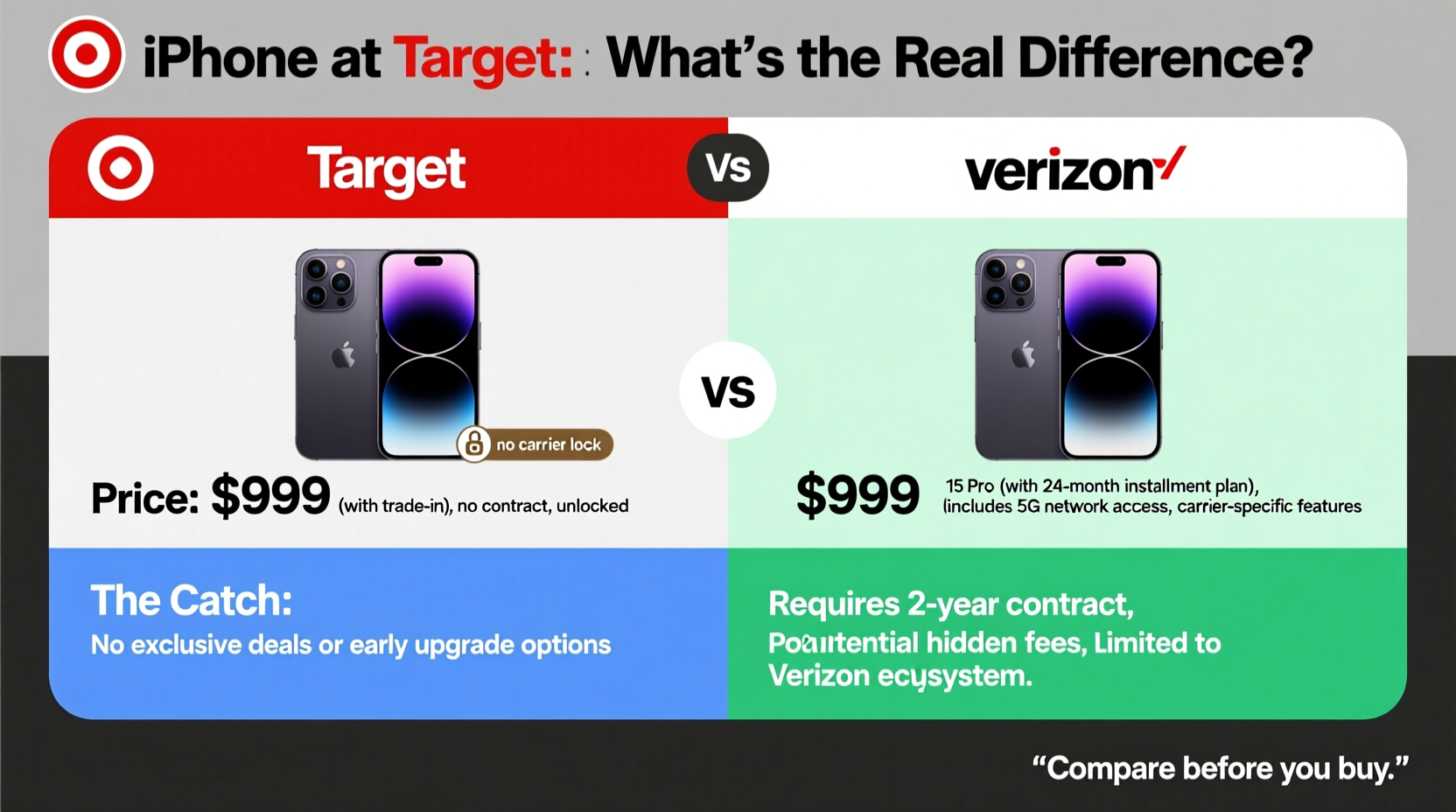
The iPhone itself—whether bought at a Target store, on Target.com, or through Verizon—is manufactured by Apple and meets the same technical specifications. The model number, storage capacity, color, and cellular bands are consistent across retail channels. However, how the phone is activated and provisioned can differ significantly.
When purchased at Target, the iPhone typically comes unlocked or with minimal carrier restrictions. This gives you flexibility to switch carriers later without needing permission. In contrast, iPhones bought directly from Verizon are often locked to the network initially, requiring fulfillment of certain conditions (like paying off the device or completing a contract term) before unlocking.
Pricing and Promotions: Not Always Equal
At first glance, the upfront cost of an iPhone may appear identical across retailers. But when factoring in carrier-specific promotions, trade-in values, and installment plans, the total cost can vary dramatically.
Verizon frequently runs exclusive deals such as “Buy One, Get One 50% Off,” free YouTube Premium subscriptions, or enhanced trade-in credits for customers switching from other networks. These offers are usually not available when buying through third-party retailers like Target—even if you activate the phone on Verizon afterward.
On the flip side, Target sometimes matches or beats online prices through its price-adjustment policy and offers gift card rebates during holiday sales. Plus, using a Target RedCard can net an additional 5% discount at checkout.
“Carrier-exclusive incentives can save buyers hundreds over two years, even if the sticker price looks higher.” — Lisa Tran, Wireless Industry Analyst at TechInsight Group
Comparison: Key Differences Between Target and Verizon Purchases
| Feature | Target Purchase | Verizon Purchase |
|---|---|---|
| Phone Unlock Status | Usually factory unlocked | Often locked initially |
| Exclusive Carrier Deals | No access | Yes (e.g., BOGO, streaming perks) |
| Trade-In Value | Standard Apple or third-party valuation | Potentially higher via carrier promotions |
| Activation Support | Limited in-store assistance | Full hands-on setup with rep |
| Monthly Plan Integration | Manual enrollment required | Seamlessly bundled |
| Customer Service Access | Apple or self-service for hardware | Direct line to carrier + device support |
Support and Troubleshooting: Where Help Comes From
If your iPhone develops a software glitch or connectivity issue, who you call depends on where you bought it. At Target, post-purchase support is limited. While they may assist with returns within the return window, ongoing technical help must come from Apple Support or Verizon’s customer service—neither of which considers Target a partner in the support chain.
In contrast, buying from Verizon means having a single point of contact. Representatives can troubleshoot both device and network issues simultaneously. They can remotely refresh your connection settings, replace SIM cards immediately, and escalate problems internally. For non-tech-savvy users, this integrated support model reduces frustration and downtime.
Additionally, Verizon stores offer in-person diagnostics and loaner devices while repairs are processed—services generally unavailable through retail partners like Target.
Real Example: Sarah’s Upgrade Dilemma
Sarah wanted the latest iPhone 15 Pro and assumed buying it at her local Target would be simpler and cheaper. She paid full price, brought it home, and tried activating it on her existing Verizon plan. However, she discovered too late that she wasn’t eligible for the $800 trade-in promotion Verizon was offering exclusively to direct purchasers. She also struggled with activation errors and had to spend 45 minutes on hold with Verizon support—something a Verizon sales rep would have handled instantly in-store.
She saved about $30 upfront at Target but missed out on major savings and convenience. In hindsight, going directly to Verizon would have been more beneficial.
Upgrade Paths and Financing Options
One of the most overlooked aspects is how your purchase channel affects future upgrades. Verizon’s “Upgrade Eligibility” program tracks your device payments and trade-in readiness directly through your account. When you’re due for an upgrade, alerts appear in the app, and the process takes minutes.
Buying from Target disrupts this ecosystem. Even if you use Verizon as your carrier, the device isn’t tied to your upgrade timeline in their system unless manually registered—which doesn’t always qualify for promotional treatment. You’ll need to monitor payoff dates independently and initiate trade-ins manually.
Financing is another consideration. Verizon offers 24- or 36-month installment plans with no interest, seamlessly deducted from your monthly bill. Target partners with Affirm for financing, which performs a credit check and may charge interest depending on your score. While convenient, it lacks the deep integration with your wireless plan.
Actionable Checklist Before You Buy
- ✅ Compare total cost including trade-in offers from both Target and Verizon
- ✅ Check if the phone is unlocked or carrier-locked
- ✅ Verify current carrier promotions (e.g., BOGO, bill credits)
- ✅ Consider your technical comfort level with self-setup
- ✅ Evaluate long-term upgrade plans and financing terms
- ✅ Confirm return policy windows (Target: 15 days; Verizon: varies by plan)
Frequently Asked Questions
Can I activate a Target-bought iPhone on Verizon?
Yes, as long as the iPhone is compatible with Verizon’s network (all recent models are). You can transfer your number and activate online or in a Verizon store. However, you won’t automatically qualify for Verizon’s exclusive deals unless enrolled separately.
Does buying from Verizon lock me into their service?
Not permanently. Most Verizon iPhones are locked for 60 days or until device payment begins. Once the device is paid off and active on the account for 60 days, it can be unlocked for use on other carriers. However, early unlocking may require justification.
Which option is better for switching carriers later?
Buying from Target is better if you anticipate switching carriers. Factory-unlocked iPhones work with any major U.S. carrier (AT&T, T-Mobile, Verizon) and often support global bands for international travel. A Verizon-purchased phone may require extra steps to unlock and could lack certain frequencies used abroad.
Final Recommendation: Choose Based on Your Priorities
The real “catch” isn’t about deception—it’s about alignment with your needs. If you value maximum savings, seamless support, and hassle-free upgrades on Verizon, buying directly from them makes sense despite reduced flexibility. But if you prioritize freedom, neutrality, and potential retail discounts, Target offers a solid alternative—especially if you're tech-confident and don’t rely on carrier-specific perks.
There’s no universally superior choice. The smartest buyers compare total costs, assess long-term plans, and understand that the cheapest sticker price isn’t always the best deal when hidden benefits are on the table.




 浙公网安备
33010002000092号
浙公网安备
33010002000092号 浙B2-20120091-4
Comments
No comments yet. Why don't you start the discussion?